Roof Inspection Near Me: Signs Your Roof Needs Attention
If you are seeing stains on your ceiling or notice a musty smell in a closet, it is natural to wonder whether the roof is the cause. This guide helps you spot the most common warning signs, understand what a professional roof inspection looks for in Plano, TX, and decide whether you likely need roof repair, roof replacement, or water damage restoration.
Last week, you wipe down the bathroom ceiling and the spot looks smaller. Two days later, it shows up again after the next rain. You check the attic access and see damp insulation along one rafter bay, but you cannot tell where the water is getting in.
That moment is where homeowners often feel stuck. A roof leak can start in one place and show up somewhere else, so guessing usually costs time. This guide will help you understand what to look for, what the inspection process typically focuses on, and which next step makes the most sense for your home in Plano, TX.
- Quick Answer
- What to Check First
- Main Things Customers Should Understand
- Why This Matters in Plano, TX
- Common Mistakes to Avoid
- Customer Checklist
- Frequently Asked Questions

Quick Answer
If you notice interior water stains, missing or curling shingles, persistent granules in gutters, or recurring leaks after storms, your roof probably needs a professional roof assessment. Start by documenting the problem (photos and dates), checking attic ventilation and visible moisture, and keeping the area dry. For the best results, schedule a roof inspection services visit so a licensed roofing contractor can identify the leak source and recommend roof repair or roof replacement based on the damage pattern. If water is already inside, connect roof leak detection with water damage restoration to protect the structure and materials.
What to Check First
Before you call, you do not need to diagnose the entire roof. You do need a clear picture of what is happening and when. Begin with the interior signs, then move to the exterior, and finally look for clues in the attic or crawl space that confirm whether the issue is active.
Inside the home
Check ceilings, bathrooms, laundry rooms, and near attic access for stains, bubbling paint, or damp drywall. Look for recurring dampness after rain.
On the roof surface
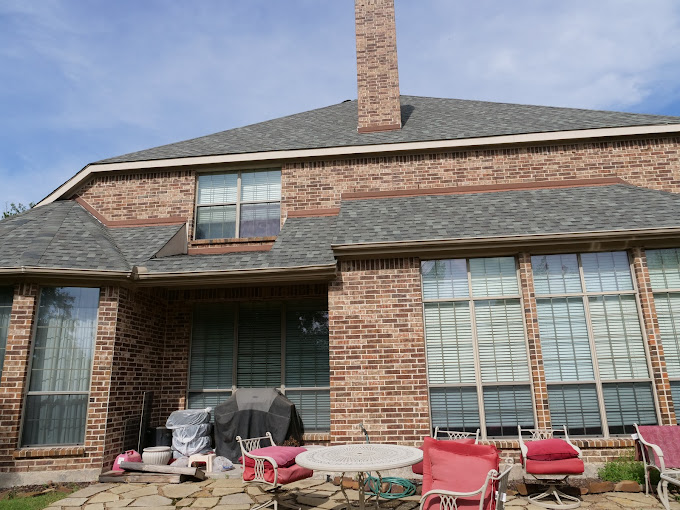
From a safe vantage point, look for missing shingles, curling edges, cracked flashing at penetrations, or obvious gaps around vents.
In the attic
If you can access it safely, check for wet insulation, dark streaks on rafters, or water trails near chimneys, skylights, and roof edges.
Main Things Customers Should Understand
Roofs rarely leak in exactly the same way people expect. Water can travel along decking, follow a nail line, or enter around flashing before it ever reaches the ceiling stain you notice. A professional roof inspection focuses on patterns, not just symptoms, so you can avoid unnecessary roof repair work.
Professional observation: A “small leak” can still lead to hidden damage. The key is finding the entry point and confirming whether the surrounding materials stayed wet long enough to affect sheathing, insulation, or ventilation.
Common signs your roof may need attention
- Ceiling stains or discoloration that returns after storms, especially near vents, plumbing stacks, or exterior walls.
- Loose, missing, or curling shingles after hail, wind events, or heavy storms.
- Granules in gutters or downspouts that increase noticeably, which can indicate accelerated shingle wear.
- Cracked or lifted flashing around chimneys, skylights, sidewalls, and roof penetrations.
- Roof edge issues like lifted drip edges or damaged fascia, which can allow water to work underneath.
- Ventilation problems that contribute to moisture buildup in the attic.
Repair vs. replacement: how inspectors think
During a roof assessment, technicians typically look at the extent of damage and whether it is localized or widespread. If the issue is concentrated around flashing or a specific roof penetration, roof repair is often the practical path. If multiple areas show repeated failures or if the roof system has extensive wear, roof replacement may be the better long-term approach.
Practical recommendation: If you see active moisture inside the home, plan for two tracks: resolving the roof entry point and addressing any water damage. That combination helps prevent ongoing problems and reduces the risk of hidden deterioration.
Decision table: what the roof signs usually suggest
| What you notice | What it often points to | Typical next step |
|---|---|---|
| New or recurring ceiling stains | Active leak entry, often from flashing or roof penetrations | Professional roof inspection services plus roof leak detection |
| Missing/curling shingles after storms | Storm damage roof repair needs | Targeted roof repair inspection and shingle roof repair |
| Water marks near vents, chimneys, or skylights | Roof flashing repair or vent installation issues | Inspect and correct flashing/vent details |
| Widespread wear and multiple problem areas | System-level aging that may require residential roof replacement | Roof replacement evaluation |
| Musty smell or wet insulation in attic | Moisture intrusion that may require water damage restoration | Coordinate roof fix with water damage restoration services |
Why This Matters in Plano, TX
In Plano, TX, roofing problems often show up after weather swings and storm events. When wind-driven rain and hail impacts roof surfaces, the damage may look small from the ground, but the real issue can be at the seams, edges, and flashing points. That is why a roof inspection in Plano should include a close look at the areas that commonly fail first: penetrations, roof edges, and the places where materials meet.

- Check roof penetrations (vents and plumbing stacks) for lifted seals and compromised flashing.
- Inspect roof edges and transitions for water entry paths after wind exposure.
- Confirm attic moisture and ventilation conditions that can worsen leaks over time.
- Look for storm-related signs consistent with hail or wind damage.
- Document findings so repairs or roof replacement decisions are based on observed conditions, not guesswork.
Common Mistakes to Avoid
When you are dealing with a leaky roof, it is tempting to patch what you can see and move on. The problem is that many leaks are entry points that show up somewhere else. Avoid these common mistakes so you can protect your home and avoid repeat problems.
- Only treating the ceiling stain: If the roof entry point remains unresolved, the stain will return.
- Delaying inspection after storms: Small failures can expand quickly, especially when moisture is trapped and ventilation is limited.
- Assuming the leak starts where the water lands: Water can travel along framing and under materials before it appears inside.
- Using temporary caulk or tar without finding the source: Temporary fixes can fail, trap moisture, or hide the real problem.
- Ignoring attic conditions: Wet insulation and damp decking can continue damaging materials even after the rain stops.
- Overlooking related needs: If you suspect water damage, pairing roof repair with water damage restoration services is usually the safer path.
Customer Checklist
Use this checklist when you are preparing for a roof inspection near me call. It helps you communicate clearly and ensures the inspection focuses on the right areas.
- Write down when you first noticed the issue and what weather happened beforehand.
- Take photos of interior stains, bubbling paint, or damp spots, including where they appear.
- Note any roof work done recently, including repairs to vents, skylights, or flashing.
- Check gutters and downspouts for granule buildup or blocked sections after storms.
- Look for visible roof surface damage such as missing, cracked, or curling shingles.
- If safe, inspect the attic for wet insulation, dark streaking, or water trails near penetrations.
- Decide whether you need roof repair, roof replacement, or a combined plan that includes water damage restoration.
Representative scenario (how it often plays out)
A Plano homeowner notices a small brown stain in a hallway ceiling after a storm. The stain seems to fade, then returns during the next rainfall. When the attic is checked, damp insulation is found near a roof vent and along a nearby rafter bay. A targeted roof assessment identifies compromised flashing around the vent and suggests follow-up water damage restoration planning to address the moisture already trapped in the attic materials.
Get a Roof Inspection Services Plan for Your Home
If you are seeing stains, curling shingles, or signs of roof leak detection issues, Sunshine Roofing can help you identify the source and the right roofing services next step for Plano, TX.
Call Sunshine RoofingFrequently Asked Questions
Below are common questions homeowners ask when they search for roof inspection near me services. The answers are designed to help you prepare for a roof assessment and understand what to expect.
How do I tell if it is the roof or something else causing water stains?
Ceiling stains can come from multiple paths, but recurring staining after rain is a strong clue that moisture is entering from above. A practical approach is to check the attic for wet insulation, dark streaks, or water trails near roof penetrations like vents and chimneys. If the moisture pattern aligns with roof details, the next step is a professional roof assessment focused on flashing and roof edge areas. This helps separate “roof entry” problems from issues that start inside the structure.
What does a professional roof inspection usually look for?
A professional roof inspection typically focuses on the likely entry points. That means checking flashing around penetrations, evaluating roof edges and transitions, and reviewing the roof surface for damage such as missing or curling shingles. Inspectors also look for signs of moisture inside the attic so the assessment can connect exterior conditions to interior effects. The goal is to identify the source of the leak, not just patch what appears wet.
When should I consider roof replacement instead of roof repair?
Roof repair is often the right choice when the damage is localized, such as issues around a specific vent or a limited flashing area. Roof replacement becomes more practical when you see widespread wear or multiple problem zones that suggest the roofing system is reaching the end of its effective service life. A roof assessment can help you compare the pattern and severity of damage so your decision is based on observed conditions, not assumptions.
If the leak is active, do I also need water damage restoration services?
If water has already entered the home or attic materials are wet, addressing moisture is usually part of the solution. Even after the roof leak is corrected, trapped moisture can continue affecting insulation and surrounding materials. Coordinating water damage restoration services with roof repair or roof replacement planning helps reduce the risk of ongoing problems and supports a cleaner, more complete recovery for the structure.
Can storm damage show up later, even if the roof looks okay at first?
Yes. Some storm damage looks minor from the ground but can create vulnerabilities at shingles, seams, and flashing points. Wind-driven rain can then find those weak spots, leading to leaks that appear days or weeks later. If you notice recurring issues after hail or wind events, it is a good time to schedule roof inspection services so the assessment can confirm whether the roof system has storm-related problems.
Talk to Sunshine Roofing in Plano, TX
If you are searching for roofing contractor near me because of stains, suspected roof leak detection needs, or storm damage roof repair concerns, contact Sunshine Roofing today. We will help you choose the right roofing solutions based on what we find during your roof assessment.
(214) 532-8878
Sunshine Roofing
Sunshine Roofing is a local roofing contractor serving Plano, TX and surrounding areas with residential roofing services and commercial roofing options. From roof inspection services and roof repair to roof replacement and water damage restoration, our focus is helping property owners identify the source of roof problems and move toward practical, durable roofing solutions.
You can also review residential roof replacement, water damage restoration, or roof repair for next-step guidance.