
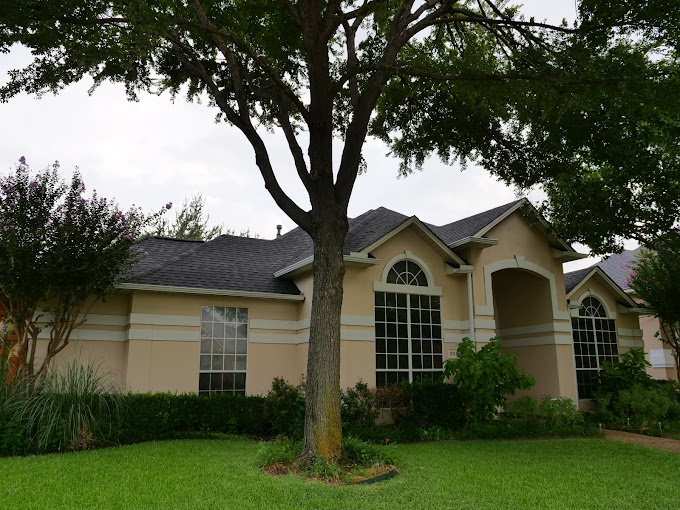
After hail, high winds, or heavy rain pass through Plano, TX, the roof often looks “mostly fine” from the driveway. But small gaps, damaged shingles, or compromised flashing can let water move where you cannot see it. This guide helps you spot the early warning signs, understand what to check first, and decide when a roof repair is the right next step.
After a storm rolls through Plano, you might notice a few missing granules on the driveway or hear water trickling during the next rain. The tricky part is that many roof problems do not announce themselves right away. A small leak can show up as a wet ceiling corner weeks later, even if the roof damage happened in a different spot.
If you are trying to decide whether you need roof repair, roof replacement, or water damage restoration, this article breaks the process into practical steps. You will learn what to inspect safely, what storm-related roof damage commonly involves, and how to avoid the mistakes that turn a manageable repair into a bigger project.
Quick Answer
If your roof shows storm clues like missing shingles, dents in asphalt shingles, damaged vents, or water stains inside after the next rainfall, treat it as a repair priority. Start with a safe visual review from the ground and check the attic for active moisture after rain. Then schedule a roof inspection services visit so damage to flashing, seals, and underlayment is assessed accurately. For many homeowners, targeted roof repair is the most cost-effective path when the deck and interior framing remain dry. If the damage is widespread, roof replacement may be the better long-term roofing solutions approach.
What to Check First
Right after a storm, you want a quick “triage” so you can stop active leaks and prevent hidden moisture from spreading. These checks help you separate urgent issues from things that can wait for a full assessment.
1) Interior signs
Look for new stains on ceilings, discoloration on drywall, or damp insulation near roof penetrations like vents and chimneys.
2) Roof edges and penetrations
Check around roof vents, flashing seams, and any areas where the roof meets a wall. These are frequent water entry points after wind-driven rain.
3) Evidence of impact
Hail often shows up as missing granules, bruised shingle surfaces, or small dents. Wind damage can loosen shingles or lift edges.
For safety, avoid walking on shingles that may be weakened. If you see active dripping or bubbling paint, prioritize water control and contact a roofing contractor for a professional roof assessment.
Professional observation: Many storm-related leaks start at flashing repairs, sealant failures, or roof vent installation areas. Even if the shingles look “close enough,” the water pathway can run under layers and show up inside somewhere else.
Main Things Customers Should Understand
Storm aftermath roof repair is not only about replacing damaged shingles. It is about restoring the roof system’s ability to shed water and resist wind uplift, especially around the details that weather hits first.
What storm damage often affects
After hail and wind events, these components are commonly involved in roof repair decisions:
- Shingle roof repair: Asphalt shingles can lose granules or develop impact points that later open up at edges.
- Roof flashing repair: Flashing at valleys, chimneys, and wall transitions can shift or develop gaps.
- Roof leak detection: Water may travel along underlayment before it reaches the attic or interior ceiling.
- Roof vent installation and seals: Loose boots or failed sealant can create slow leaks.
How a good roof inspection services appointment is usually approached
In Plano, TX, storms can be followed quickly by another rain event, which makes timing important. A professional roof inspection services visit typically focuses on:
- Documenting storm-related impacts and visible damage
- Checking seals and seams at penetrations and flashing
- Assessing underlayment and the roof deck where accessible
- Reviewing interior clues that point to the water entry path
A helpful decision table for homeowners
| What you are seeing | What it can indicate | Typical next step |
|---|---|---|
| Localized missing shingles or small hail impacts | Damage may be limited to affected sections | Targeted roof repair, including shingle roof repair and sealing details |
| Repeated leaks around vents or flashing seams | Sealant or flashing repairs may be failing | Roof leak detection and flashing repairs, plus vent boot resealing or related roof sealing services |
| Widespread impact across many roof areas | Roof system integrity may be compromised beyond a small patch | Roof replacement evaluation for the full roof system |
| Visible interior moisture after rain | Active pathway exists and should be addressed quickly | Roof inspection services followed by repair and, if needed, water damage restoration services |
Why This Matters in Plano, TX
In Plano, TX, summer storms can bring intense rain and fast wind shifts. Even when the roof looks intact from the street, wind-driven rain can push water into small openings at roof edges, vent penetrations, and flashing repair points. If you wait too long, moisture can linger in insulation and attic spaces, which may lead to additional cleanup needs.
Sunshine Roofing focuses on restoring the roof’s protective layers and sealing the details that keep water out. If your roof problem is paired with interior moisture, pairing roof repair with water damage restoration is often the most practical way to stop the cycle.
Practical recommendation: Schedule a professional roof assessment soon after the storm and before the next heavy rain. Early roof repair helps reduce the chance that water spreads beyond the leak source.
If you are also dealing with interior impacts, you may find it helpful to review Sunshine Roofing’s water damage restoration page for an overview of how moisture cleanup fits with storm repairs.
Common Mistakes to Avoid
Homeowners often try to handle storm issues based on what they can see. The problem is that roofs are layered systems, and leaks can travel.
- Waiting for “one more rain” to confirm the leak: By the time you verify the problem, the water pathway may have already damaged more materials.
- Only replacing a few obvious shingles: Missing or bruised shingles can be the symptom, while flashing repairs or vent seals are the cause.
- Ignoring roof penetrations: Roof vents, flashing repairs, and other penetrations are common entry points during wind-driven rain.
- Assuming a dry attic means no roof leak: Some leaks are slow and show up after certain rainfall patterns.
- Skipping a roof inspection services visit: A professional roof assessment helps identify the actual entry route and reduces guesswork.
Customer Checklist
- Document visible damage with photos from safe positions (shingle impacts, missing sections, lifted edges).
- Check interior ceilings and walls for new stains, bubbling paint, or damp insulation after rain.
- Inspect roof edges and roof penetrations for signs of loosened flashing or compromised seals.
- Look for clogged gutters or debris that can trap water near roof lines.
- Note whether leaks occur during wind-driven rain or only during heavy downpours.
- Schedule a professional roof inspection services appointment for a roof assessment of the full system.
Representative scenario: Plano homeowner after hail and wind
After a hail and wind event in Plano, TX, a homeowner noticed a couple of small ceiling spots the next time heavy rain hit. From the street, the roof looked mostly intact, but the homeowner also saw a few areas where asphalt shingles had lost granules. During a roof inspection services visit, the priority was checking roof vent installation areas and flashing repair seams near the problem zone. Once the sealing and flashing details were addressed, the interior moisture stopped progressing and the roof system returned to a more reliable water-shedding condition.
Need help deciding between roof repair and roof replacement?
If your roof shows storm damage clues or you are seeing new interior moisture, Sunshine Roofing can help with a professional roof assessment in Plano, TX.
Request roof repair helpFrequently Asked Questions
How soon after a storm should I get a roof inspection?
Ideally, schedule a roof inspection services visit soon after the storm while damage is still fresh and before the next heavy rain. Even if the leak is not obvious yet, storm impacts can compromise seals, flashing repairs, or shingles in ways that allow water entry later. A professional roof assessment can help identify where water is getting in and which repairs are needed to restore the roof’s protective layers.
What are the most common storm-related causes of roof leaks?
Roof leaks after hail or wind events often relate to roof flashing repair seams, failed sealant around roof penetrations, and damaged or lifted shingles. Water may travel under layers before it shows up inside, so a leak stain on a ceiling does not always point to the exact spot of damage on the roof. Roof leak detection typically focuses on matching interior clues with exterior inspection results.
Can a small leak turn into a bigger problem?
Yes. A small leak can still allow moisture to reach insulation, roof decking, and interior materials. Over time, that moisture can expand the affected area and increase the need for cleanup. That is why a practical approach is to address roof repair quickly, then coordinate with water damage restoration services if interior moisture is present.
When should I consider roof replacement instead of repair?
Roof replacement is usually considered when storm damage is widespread or when the roof system’s integrity is compromised beyond a localized repair. If multiple areas show impact, or if the roof system has recurring issues tied to different components, a full evaluation helps determine whether targeted repairs will be sufficient. A roof assessment is the best way to compare options based on the condition of the full system.
What should I do if I see water inside after rain?
Start by controlling the indoor moisture and preventing further damage. Avoid relying on temporary fixes that do not address the source of the leak. Then schedule a professional roof inspection services visit for roof leak detection and repair planning. If interior materials are already affected, pairing roof repair with water damage restoration services can help move the project toward a stable, dry outcome.
Get your storm aftermath roof situation assessed
Sunshine Roofing serves Plano, TX and surrounding areas. If you are dealing with roof repair needs after hail, wind, or heavy rain, call for a professional roof assessment.
Call (214) 532-8878