

If you spot a new stain on your ceiling or hear water where it should not be, you need a clear plan. Sunshine Roofing helps homeowners in Plano, TX and surrounding areas understand what to check, what decisions to make, and how to prevent a small leak from turning into larger water damage.
Last night the rain hit hard in Plano, TX, and this morning there is a damp spot spreading across the ceiling near a light fixture. You might be able to wipe it away, but you cannot wipe away what you cannot see. A roof leak can travel along framing and underlayment before it shows up inside, so the first “fix” is getting the source identified.
This guide walks you through urgent leak repair and when roof replacement may be the smarter long-term move. You will also learn how to spot common red flags, what information to gather for a roof assessment, and how to reduce the chance of repeat leaks after repairs.
- Quick answer
- What to check first
- Main things customers should understand
- Why this matters in Plano, TX
- Common mistakes to avoid
- Customer checklist
- Frequently asked questions

Quick Answer
If you have an active roof leak, focus on stopping additional water intrusion and getting the leak source identified. After the immediate mess is contained, the next step is a professional roof assessment to check roof sections, flashing, vents, and underlayment pathways. In many cases, targeted roof repair is the right approach. If the roof is aging, has widespread damage, or the leak involves multiple compromised areas, roof replacement may prevent repeated leaks and future water damage. Start by documenting the problem and contacting a local roofing contractor like Sunshine Roofing in Plano, TX.
What to Check First
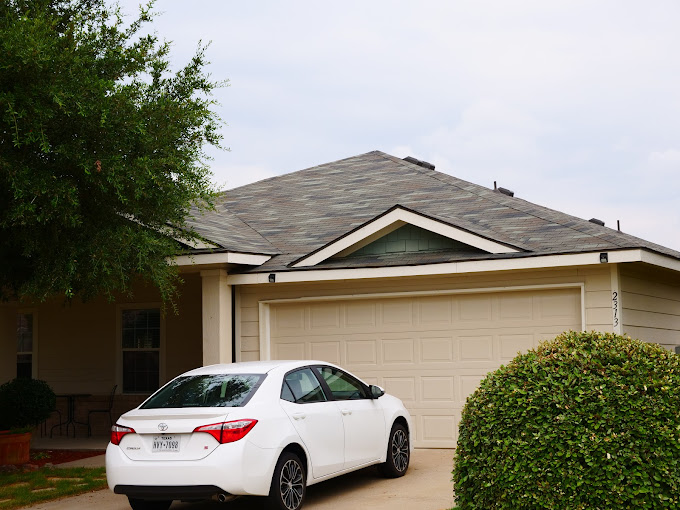
Before calling anyone, take a few minutes to gather useful details. New leaks often show up after heavy rain or storms, but the roof entry point can be different from where water appears indoors. Look for the general area and patterns: does it match a wall line, a roof valley, a vent location, or a seam line? Take clear photos of the interior stain (including edges and any bubbling paint), and note the date and weather conditions when you first noticed it.
Contain the water
Use buckets or towels to protect floors and belongings. If water is dripping near outlets or electronics, switch off power in that area if you can do so safely.
Check nearby roof features
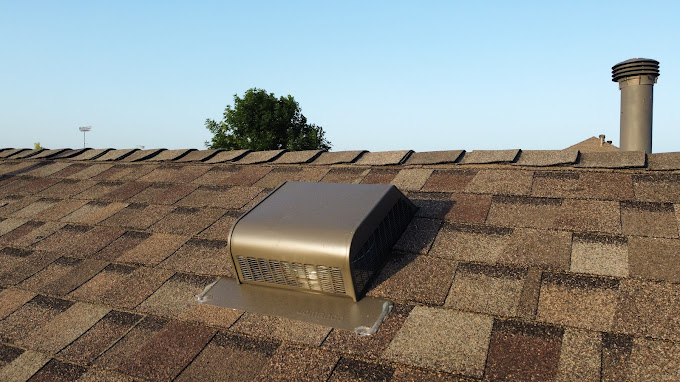
The leak can originate at roof flashing, roof vents, chimney areas, or around penetrations. If you see obvious missing shingles or exposed underlayment, note the location.
Avoid “patch and pray”
Temporary fixes can hide the true source. A professional roof inspection helps ensure the repair addresses the pathway, not just the symptom.
Professional observation: A ceiling stain is often delayed. Water may enter the roof deck, travel along structure, and only then show up indoors.
Main Things Customers Should Understand
When you are deciding between emergency roof repair and roof replacement, the core question is whether the roof system is still sound or has multiple failing areas. During a roof assessment, a qualified team typically evaluates the roof surface, flashing details, vents, drainage points, and the condition of materials that keep water out.
Firsthand-style observation: In many Plano homes, the most frustrating leaks are not always at the “obvious” spot. During inspection, we often find that water entry is tied to flashing edges, penetrations, or areas where storm impact compromised the roof layers. Fixing the visible damage without checking the surrounding system can lead to repeat leaks after the next rainfall.
| Situation you may notice | What it often points to | Common next step |
|---|---|---|
| Leak appears near a vent, flashing edge, or roof penetration | A localized water entry point at a detail | Roof inspection services focused on flashing and seals, then roof repair |
| Multiple ceiling spots or repeated leaks in different rooms | More widespread roof system wear or multiple compromised areas | Roof assessment to determine whether roof replacement is the right long-term roofing solution |
| Visible storm-related damage across a section of the roof | Storm damage roof repair needs or broader material compromise | Evaluation for shingle roof repair, drainage fixes, and related roof maintenance services |
| Water intrusion followed by signs of interior moisture issues | Water damage restoration may be needed alongside roof work | Coordinate roof repair or roof replacement with water damage restoration services |
If you are also dealing with interior moisture, remember that roof repairs and water damage restoration go together. If the roof is letting water in, drying and cleanup alone will not fully solve the problem. Sunshine Roofing can also help connect the right next steps for water damage restoration so the building can recover as the roof system is addressed.
Roof repair
For leaks tied to details, sections, and localized damage, professional roof repair can restore protection.
Roof replacement
When the roof system is broadly compromised, residential roof replacement can provide durable protection.
Home renovation planning
If you are coordinating roof work with interior updates, planning helps keep timelines and surfaces aligned.
Why This Matters in Plano, TX
Plano weather can be unpredictable, and storm-driven roof leaks are a common homeowner concern. After heavy rain or wind events, even small failures at flashing or around roof vents can create a pathway for water intrusion. That is why a clear roof assessment matters in Plano, TX: it helps determine whether you are looking at a single detail issue or a broader roofing system problem.
In the Plano area, many residential roofs include asphalt shingle roofing, with penetrations like vents and plumbing stacks that require reliable sealing over time. If you recently noticed hail damage roof repair needs, wind damage roof repair concerns, or shingle roof repair questions after a storm, it is especially important to have the roof inspected before you invest in interior fixes that may not last.
Need help deciding repair vs. replacement?
If you are seeing a fresh leak stain or suspect storm-related roof damage, Sunshine Roofing can help with a professional roof assessment focused on the actual water entry point.
Contact Sunshine RoofingCommon Mistakes to Avoid
When a roof leak shows up, it is tempting to move fast. The problem is that speed without the right diagnosis can lead to repeat leaks. Here are common mistakes homeowners and property managers make when dealing with roof repair and roof replacement decisions.
- Only treating the inside stain without confirming the roof entry point.
- Applying a temporary patch that does not address flashing, vent sealing, or the damaged roof layers.
- Waiting too long to investigate, allowing water to spread behind finishes and increase cleanup needs.
- Assuming the leak is directly above the stain when water can travel along the roof deck and framing.
- Ignoring storm impact clues such as missing granules, lifted shingles, or damaged edges after wind or hail.
- Skipping a roof assessment after multiple incidents, even if the first repair “seemed to work.”
Customer Checklist
Use this checklist to be ready for your roof inspection and to help your contractor focus on the right areas during the assessment. It also helps you communicate clearly with anyone involved in cleanup or interior repairs.
- Record when the leak started and what the weather was like in Plano, TX (heavy rain, wind, hail).
- Take photos of the interior stain, including edges and nearby ceiling or wall lines.
- Note any roof features near the suspected area, such as vents, flashing lines, or roof valleys.
- Check for visible roof issues from safe viewpoints: missing or lifted shingles, damaged flashing, or exposed material.
- Protect belongings below the leak path and use containers to catch active drips.
- After repairs are discussed, ask what part of the roof system will be addressed, not just what will be patched.
- If there are signs of interior moisture, coordinate next steps with water damage restoration so drying aligns with roof work.
Representative Scenario
A homeowner in Plano noticed a small wet ring around a ceiling light after a storm. They assumed the leak was directly overhead, but the stain was actually offset toward a roof vent and an adjacent flashing edge. During the roof inspection, the team identified compromised sealing around the penetration and addressed the underlying roof detail. Because water had already affected the interior surface, the owner also coordinated moisture cleanup as part of the recovery plan. The result was a repair that matched the actual water entry point, reducing the chance of the issue returning after the next rain.
Frequently Asked Questions
How do I know if I need roof repair or roof replacement?
You usually need an inspection to make that call. If the leak is traced to a specific roof detail, targeted roof repair is often enough. If multiple areas show damage, the roof system appears broadly worn, or the leak keeps returning after prior fixes, roof replacement may be the more reliable long-term roofing solution. A professional roof assessment looks at the roof surface, flashing, vents, and drainage pathways so the repair decision is based on what is actually failing, not just where the water ends up inside.
Why does the leak show up inside days after the storm?
Water intrusion does not always appear immediately at the interior ceiling spot. Leaks can enter the roof layers, then travel along underlayment, framing, or other pathways before gravity and moisture levels reveal themselves inside. That is why it is common for homeowners to notice a stain after the rain has stopped. Documenting when you first saw the issue, along with taking photos, helps your contractor locate the pathway during the roof inspection.
Can I stop the leak with a quick patch until it dries out?
Some temporary measures can reduce mess, but a patch can also delay the real diagnosis. If the leak is coming from flashing edges, vent sealing, or a compromised roof layer, a quick surface patch may not fix the actual entry point. For the best outcome, focus on containment and then get a professional roof assessment. That way, the repair addresses the root cause and helps protect the roof system and interior surfaces together.
What should I tell my roofing contractor during the inspection?
Share the date you first noticed the leak, what weather happened beforehand, and where the stain or moisture is located inside. Mention any roof features near the suspected area, such as vents or flashing lines. If you have photos, bring them. If the issue is affecting multiple rooms or shows up repeatedly, say so. Clear details help the inspector focus on the correct sections during roof inspection services and improves the chance of a lasting fix.
Do I need water damage restoration even after roof repairs?
If water already entered your home, the interior may need drying and cleanup even after the roof is repaired. Roof repair stops new water intrusion, but moisture can linger in materials and finishes. Coordinating roof repair with water damage restoration services helps protect the structure and can reduce the risk of ongoing issues. If you see bubbling paint, musty odors, or active dampness, it is especially important to address both the roof and the interior recovery plan.
Get local help from a trusted roofing contractor
If you need roofing services in Plano, TX for roof inspection services, roof repair, or roof replacement planning, Sunshine Roofing is here to help you make an informed decision based on what the roof assessment finds.
(214) 532-8878
Sunshine Roofing
Sunshine Roofing is a Plano, TX roofing contractor focused on quality roofing solutions for residential and commercial properties. If you are dealing with a leaky roof, storm damage, or roof replacement planning, our goal is to help you identify the source of the problem and choose the right roofing services to restore protection. We also support homeowners with related next steps, including water damage restoration, when interior moisture is involved.