
Roof Repair in North Dallas — Same-Day Inspections, Honest Recommendations
Roof Repair Across Plano, Addison & Richardson
What’s Wrong With Your Roof? Probably One of These.
After 15+ years of climbing roofs across Far North Dallas, Addison, and Plano, we see the same
problems show up over and over. Here’s the short list:
Hail and wind damage
North Texas takes a hailstorm almost every spring. Even when stones are small, they can bruise the asphalt mat and shorten your roof’s life by years. We document, repair, and (when needed) walk your insurance claim with you.
Active leaks and ceiling stains
If you’re seeing a brown ring spread on your ceiling, the leak is almost always somewhere uphill
of where the stain shows. We trace it back to the source — usually a flashing failure, a popped
nail, or a cracked boot around a vent pipe.
Missing or curling shingles
High wind events along the Dallas North Tollway corridor regularly tear shingles off, especially on south- and west-facing slopes. We match the shingle line, color, and exposure as closely as the original install will allow.
Damaged flashing around chimneys, skylights & vents
This is the single most common source of roof leaks. Most repairs we do involve replacing or re-sealing the flashing — not the shingles themselves.
Sagging ridges or soft decking
If your roofline looks wavy from the curb, we need to talk. Sagging usually means decking has been holding water for a while. This one is rarely a simple repair, but we’ll tell you the truth either way.
Frequently Asked Questions

We had a few projects around the house that needed to be done. I met with a few different contractors before choosing Sunshine. Tony and Hameed were great to work with. Great communication and always quick to reply or accommodate if needed. I initially chose them because they were willing to be flexible to accommodate our needs. We opted to stay in the home while the work was ongoing. They are great at making suggestions if needed and helping steer in the right direction. We replaced the flooring in the home with engineered hardwood, we tore out and redid the primary and a guest bathroom. They repainted a few rooms for us and tackled a few smaller things while they were here. All of the crews they bring in were very courteous and cleaned up after themselves for the most part. We have other projects still on the to do list and we will be using them again in the future for when that time comes. Would definitely recommend to others for any type of project- big or small.
2 weeks ago

Don’t Wait on a Leak — It Only Gets More Expensive
Free, same-day inspections in Far North Dallas, Addison, Plano, Carrollton, and Richardson. We’ll tell you straight whether you need a repair, a replacement, or just peace of mind.
Whether your roof is leaking, you recently got hit with hail, or you’re simply wanting to get things checked out before you sell your home (or buy a new home), we provide free roof inspections. It’s worth your time to get the roof checked out beforehand.
Our professionals will get on your roof and give you an honest assessment of its condition. If there is considerable damage, we’ll guide you through the process of filing a claim with your insurance. If there is not any damage, we’ll leave you with a peace of mind.
Looking to have your kitchen, bathroom, bedroom, or any other area of your home remodeled? Well, we do that too! Let’s set up a time to talk with our home remodeling experts and dream about what your home could look like in the near future.
When a Repair Makes Sense — and When It Doesn’t
Plenty of roofing companies in DFW will sell you a full replacement when a $400 repair would have done the job. We don’t operate that way. Here’s how we think about it:
A repair is usually the right call when…
- Your roof is under 12 years old and the damage is localized.
- Flashing or boot failure is causing the leak (cheap fix, no shingle work needed).
- A small wind event tore off a handful of shingles on one slope.
- Your insurance claim is for partial damage, not a full roof.
A full replacement is usually smarter when…
- Your roof is 18+ years old and the issues are spreading.
- Multiple slopes show hail bruising or granule loss.
- You’ve already had two or more repairs in the last two years.
- The decking is soft in more than a few spots.
What Happens After You Call Us
- Same-day visit when possible. We confirm a window over the phone, usually within 4–8 hours of your call inside our core service area.
- Free, no-obligation inspection. We climb the roof, take photos and a short video, and walk you through what we found on your phone.
- Plain-English written estimate. You get a price for the repair before any work starts. No surprises, no upsells.
- Repair completed. Most repairs are done same-visit or within 48 hours of your approval.
- Written warranty. Every repair we make is warrantied in writing. If the same area leaks again within the warranty window, we come back free.
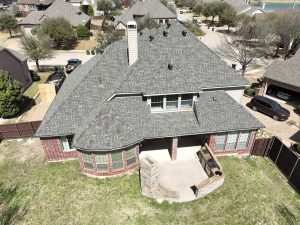
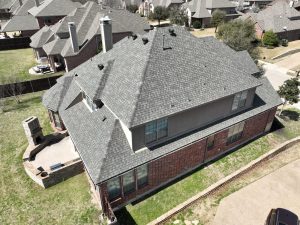
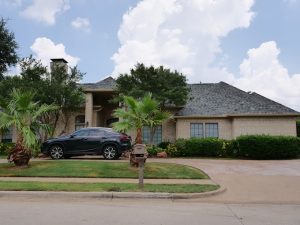
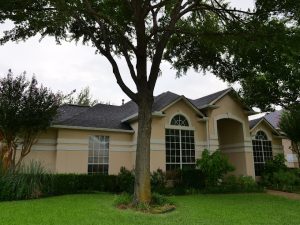
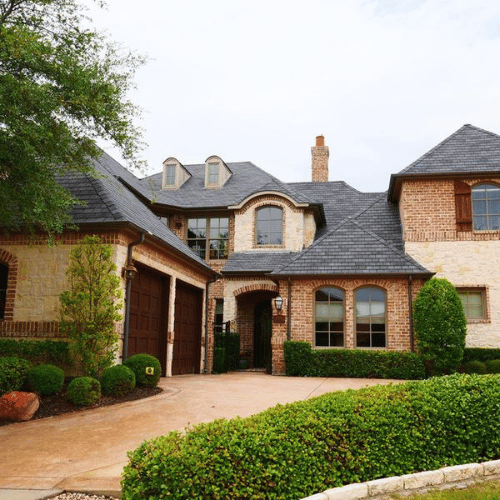
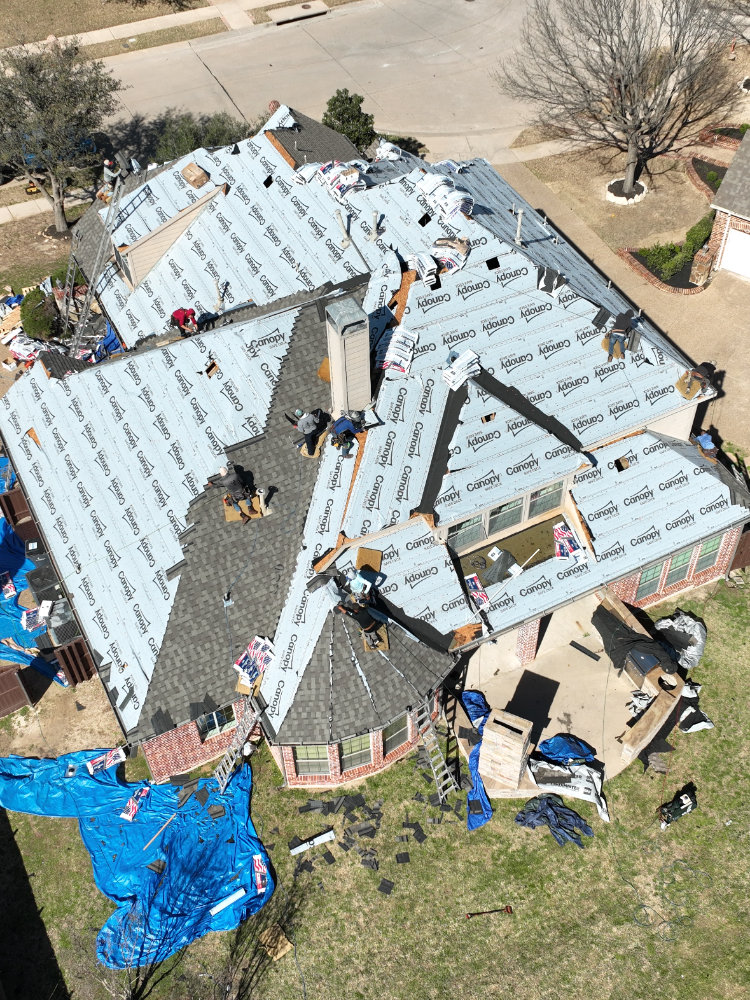
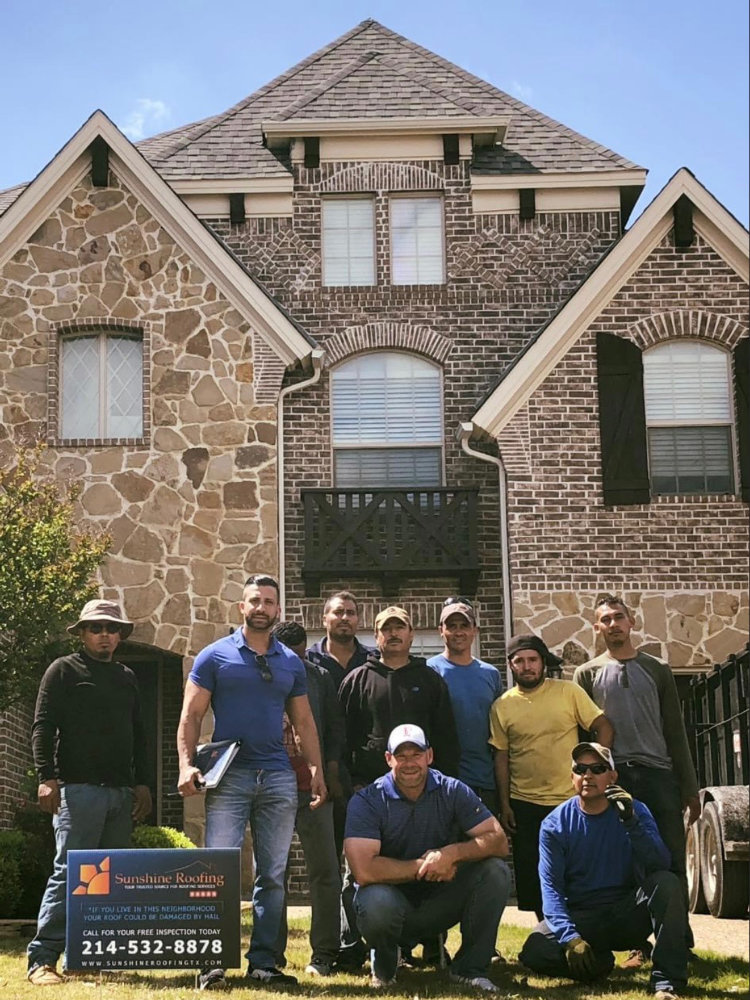
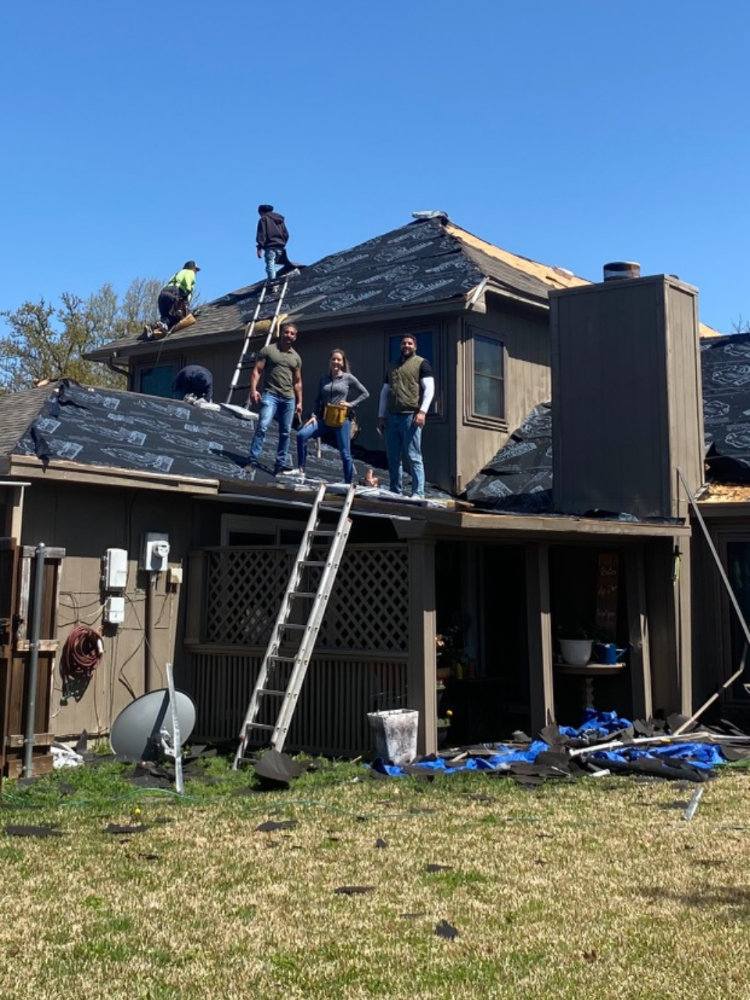
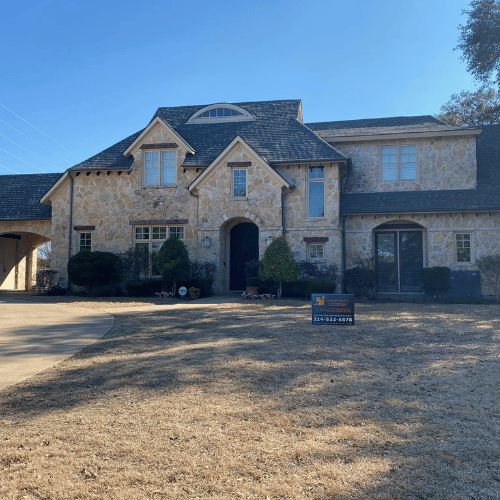
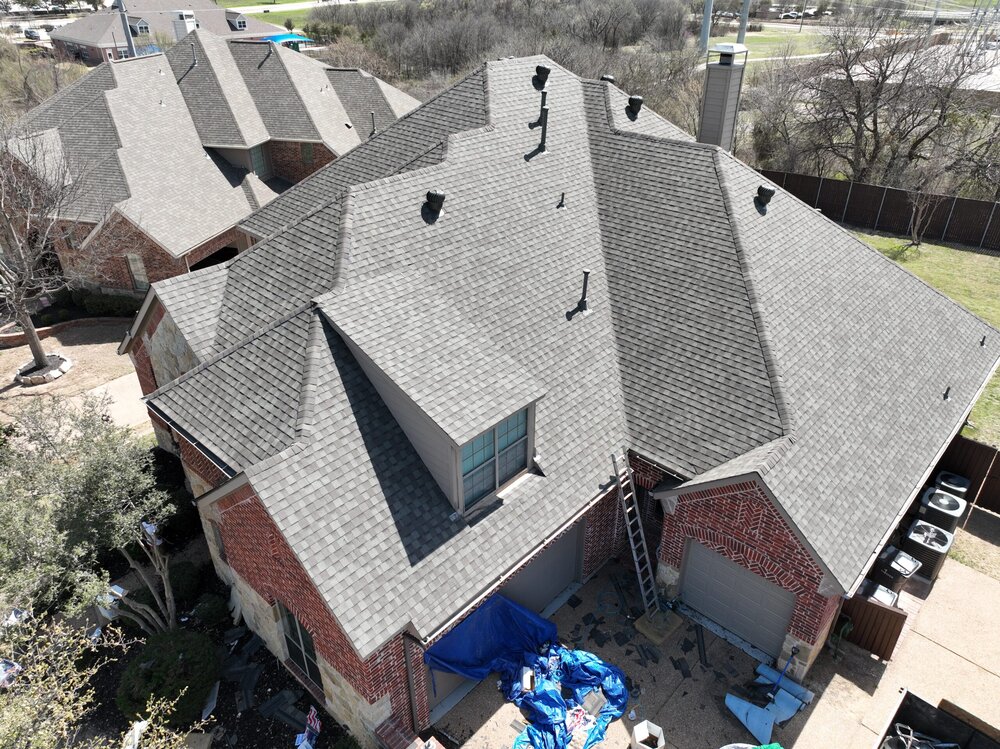
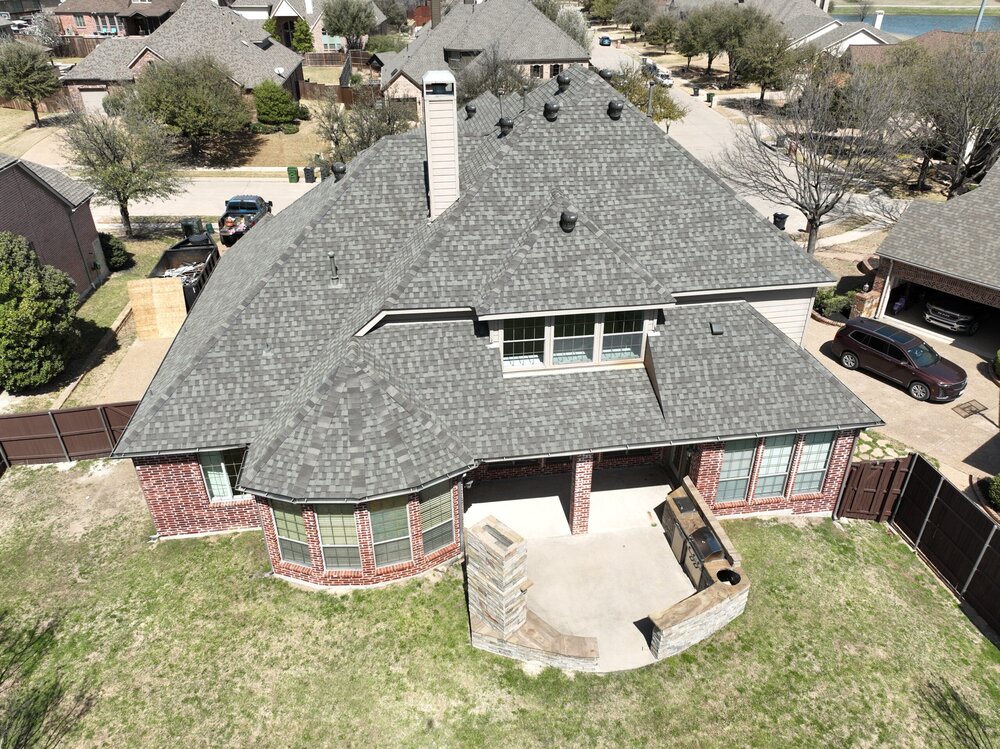
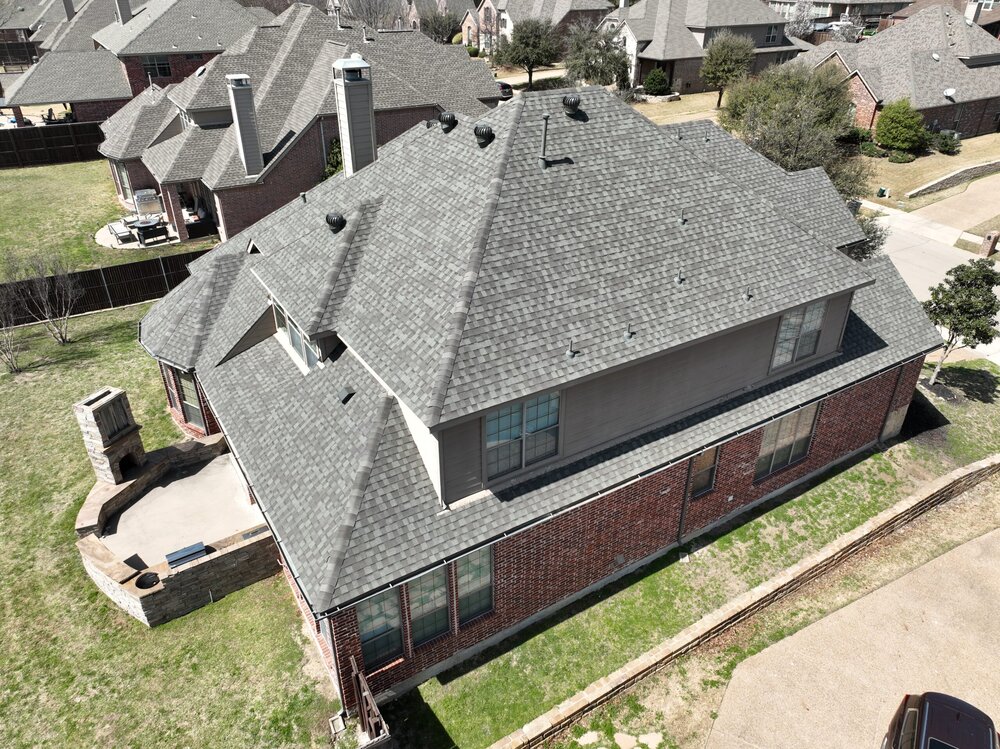
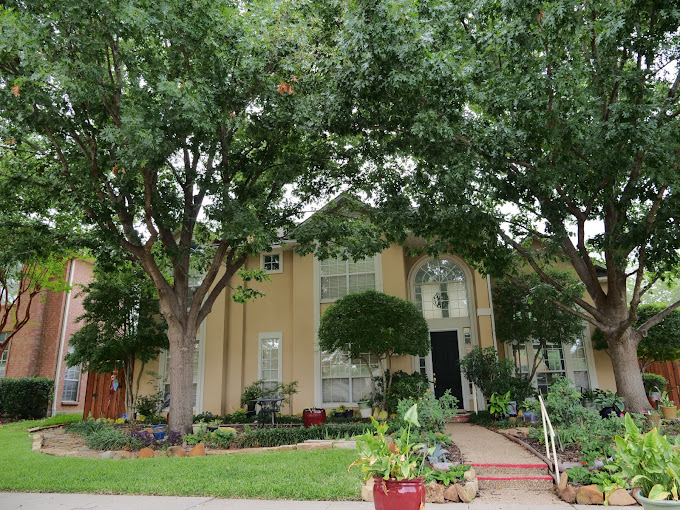
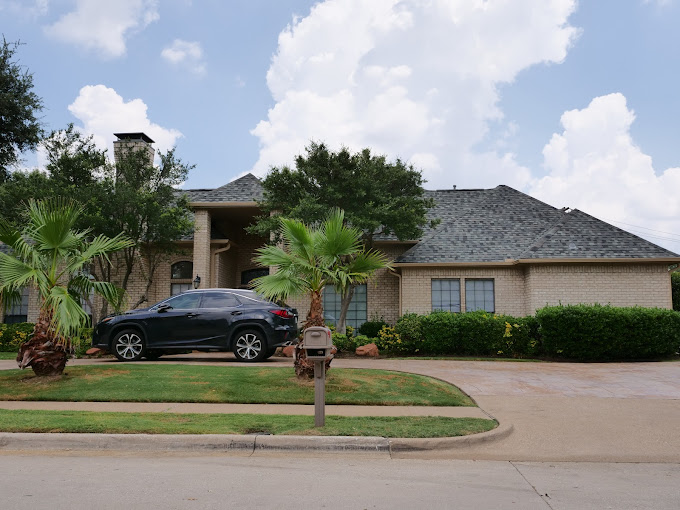
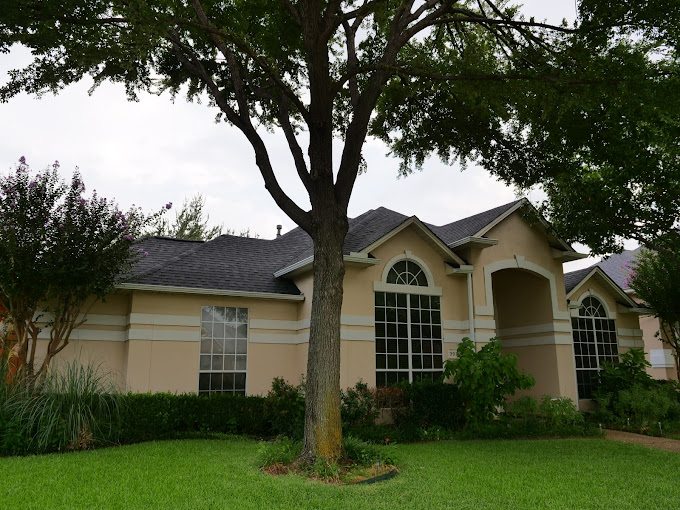
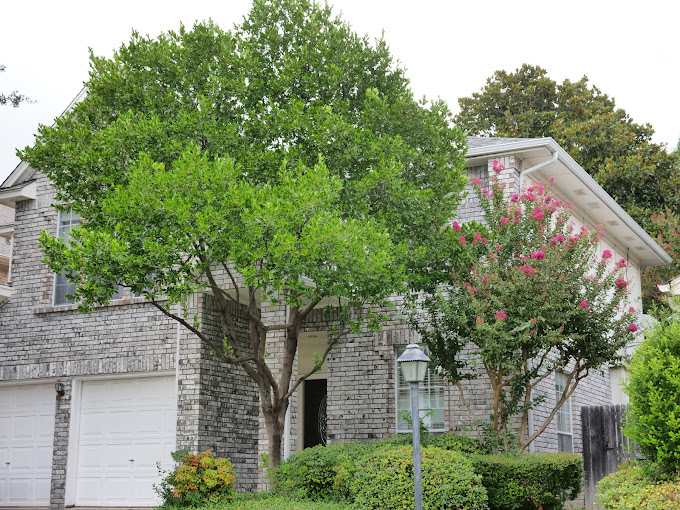
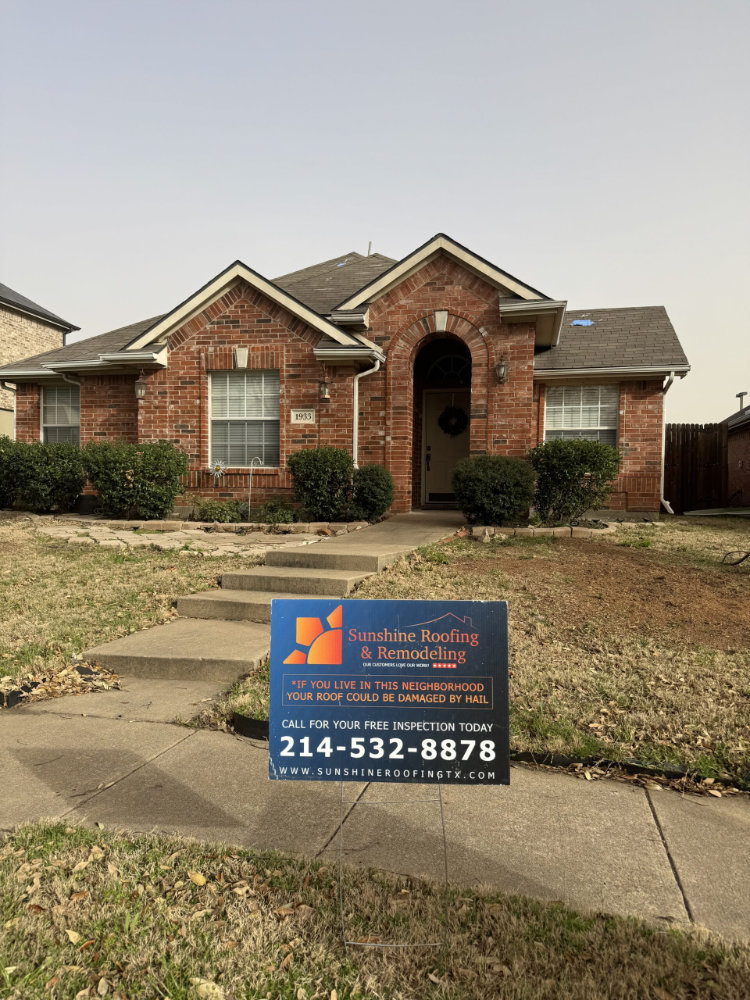
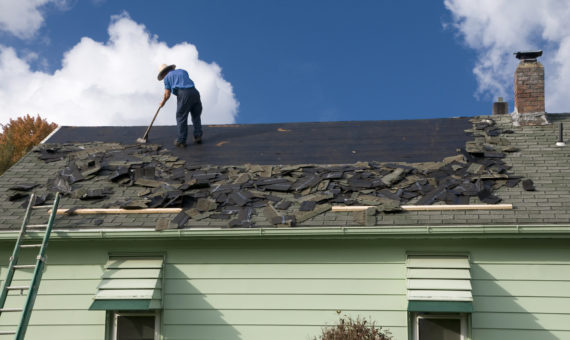
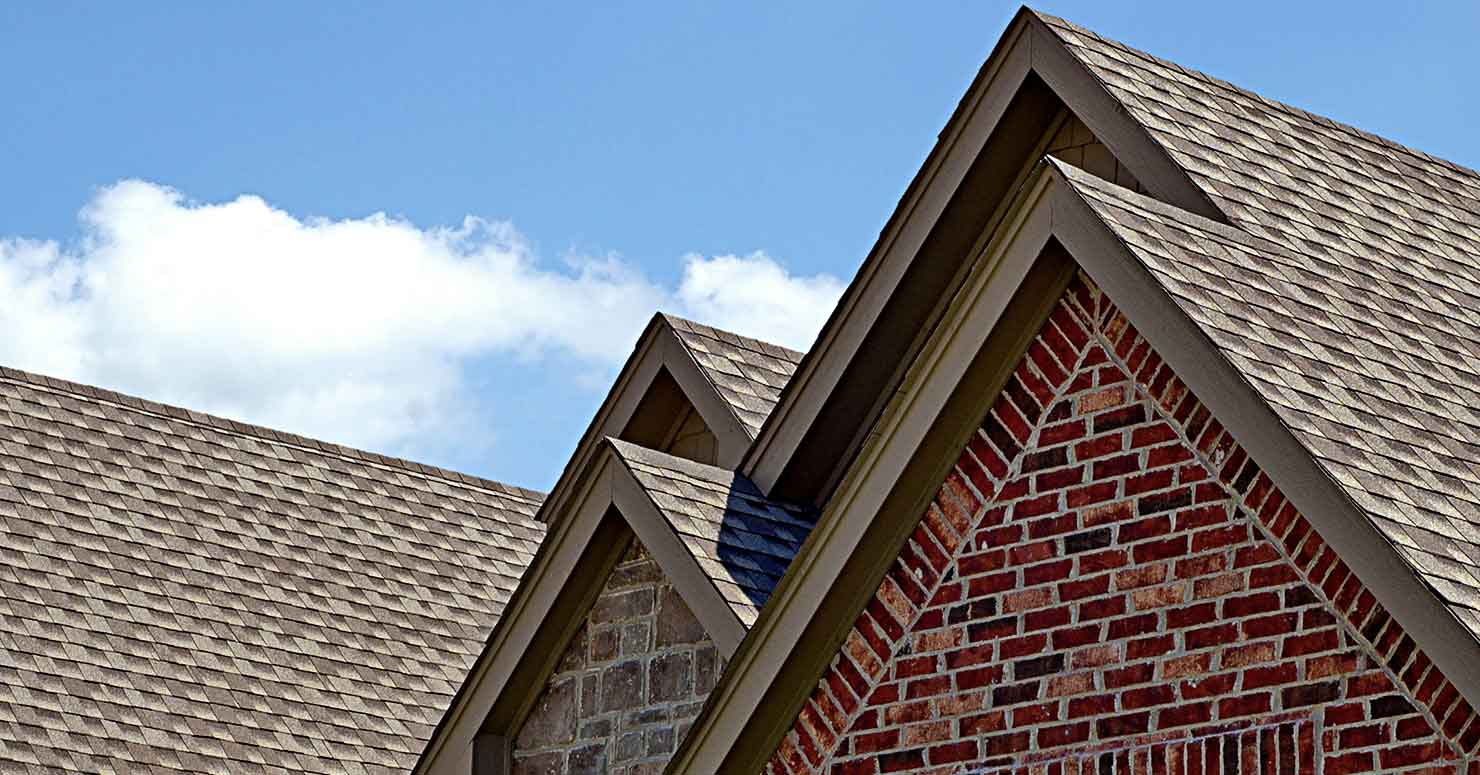
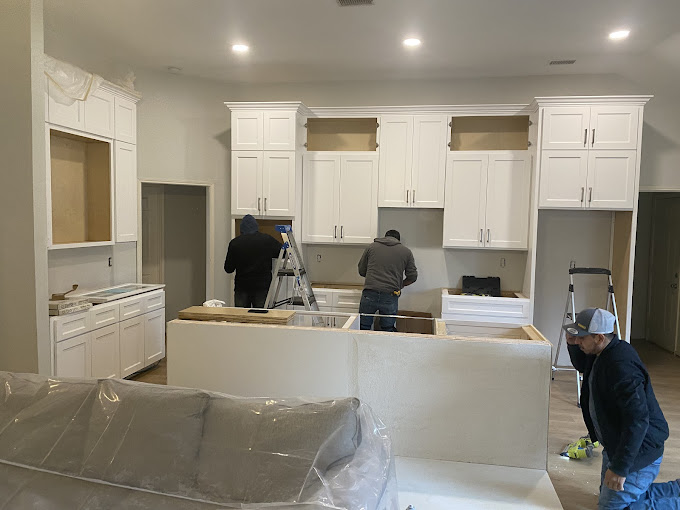
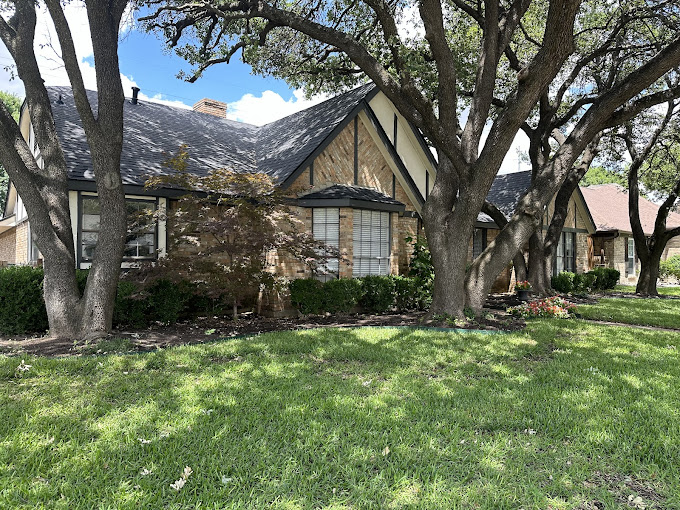
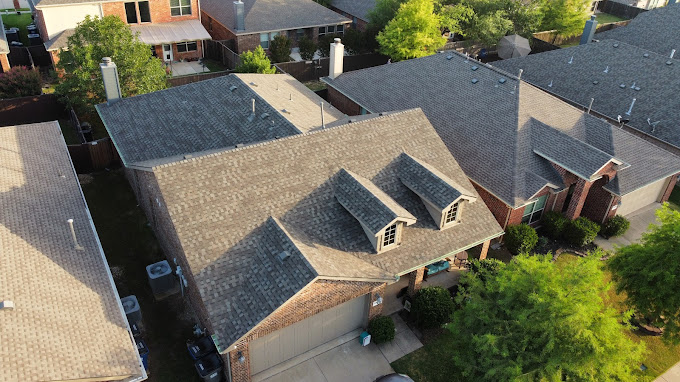
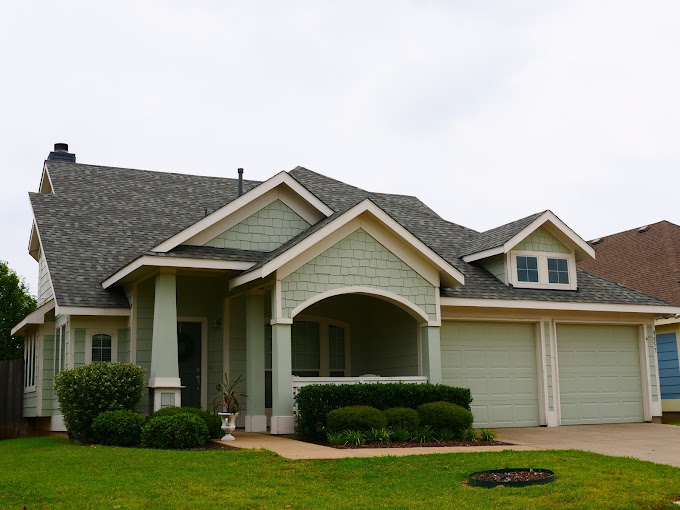
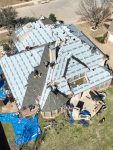
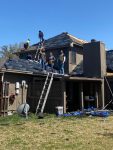
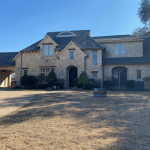
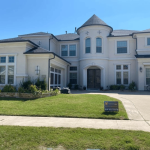
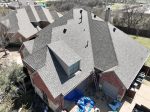
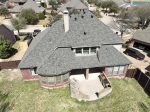
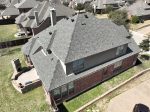
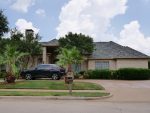
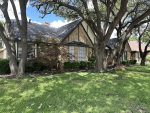
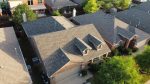
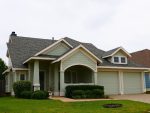
Our Work

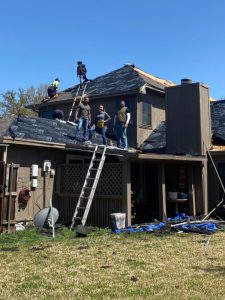
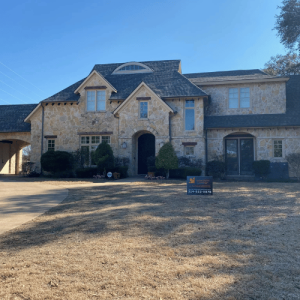
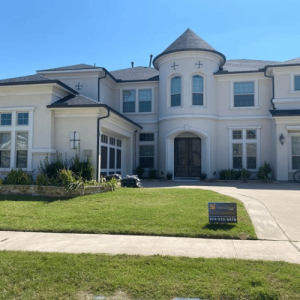
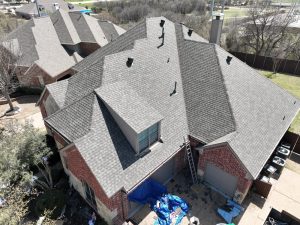

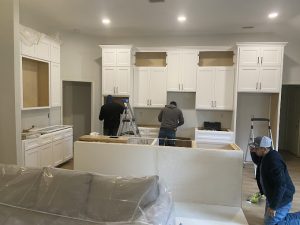
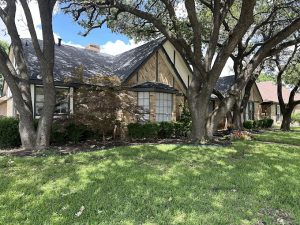
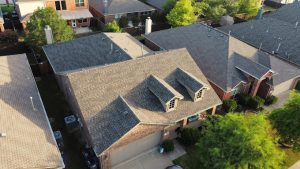
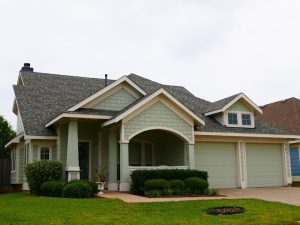


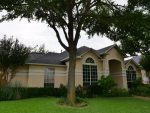

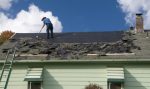
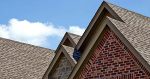

Locally Owned
Proudly operating as a trusted locally owned business.
Reliable
Providing dependable and timely craftsmanship on every project.
Free Estimates
Receive complimentary estimates for your upcoming property improvements.
Our Services
How Do I Know if My Roof Needs Repair?
Knowing when your roof needs repair is essential for maintaining the structural integrity and safety of your home. The most obvious sign is visible damage to the roofing materials. This can include missing, cracked, or curling shingles, broken tiles, or significant granule loss in asphalt shingles. Such damage often occurs after severe weather events like storms, high winds, or hail, but it can also be a result of aging materials. It’s important to regularly inspect your roof, especially after extreme weather, as even small damages can escalate into more significant problems if left unaddressed. In metal roofs, look for signs of rust, dents, or seams that may have become loose or separated, as these can compromise the roof’s ability to keep out water.
Another key indicator of the need for roof repairs is water intrusion, which often manifests as leaks. You might notice water stains or discoloration on ceilings or walls, peeling paint, or dampness in your attic or crawl space. It’s crucial to address leaks promptly, as they can lead to mold growth, damage to insulation, and deterioration of structural elements of your home. Remember, not all leaks produce visible signs immediately, so periodic checks in the attic for any signs of moisture or water damage can be preventive.
Sagging areas on the roof are a serious sign that your roof may need immediate attention. This sagging can indicate structural issues, such as weakened rafters or trusses, which could lead to a roof collapse if not repaired. It’s often a result of long-term water infiltration that has weakened the structural wood. Similarly, if you notice an increase in your energy bills, it could be due to poor roof ventilation or insulation, allowing heat or cool air to escape, which can also be a sign that your roof needs repair.
Lastly, it’s important to consider the age of your roof. Even if you don’t see visible damage, roofs have a typical lifespan after which the risk of leaks and other problems increases. For example, asphalt shingles generally last 20-30 years, while tile and metal roofs can last longer. If your roof is approaching or has surpassed this age range, it’s wise to have a professional inspection. Regular inspections and maintenance are key to extending the life of your roof and preventing minor issues from becoming major problems. If you are unsure about the condition of your roof, consulting with a professional roofing contractor can provide peace of mind and ensure that any necessary repairs are identified and addressed efficiently.
Can a Leaky Roof be Repaired, or Does it Need to be Replaced?
Determining whether a leaky roof can be repaired or needs to be replaced depends on several factors, including the extent of the damage, the age of the roof, and the underlying cause of the leak. Minor leaks often result from localized damage, such as a few missing or damaged shingles, a cracked or broken tile, or compromised flashing around chimneys, vents, or skylights. In these cases, repairs are typically sufficient. A professional roofing contractor can replace the damaged shingles or tiles, reseal flashings, and address any small issues that are allowing water to penetrate the roof. These targeted repairs are not only cost-effective but can also extend the life of an existing roof, provided that the rest of the roofing system is in good condition.
However, if the leak is a symptom of more widespread problems, such as extensive wear and tear, pervasive moisture damage, or significant structural issues, a full roof replacement may be necessary. Large or multiple leaks, or leaks that reoccur in the same area despite previous repairs, are indicative of systemic failures in the roofing material or installation. Similarly, if a roof is nearing the end of its expected lifespan – typically around 20-30 years for asphalt shingles, for instance – it might be more prudent to replace it rather than invest in ongoing repairs. Older roofs are more susceptible to leaks and may have underlying issues that are not visible during a surface inspection, such as deteriorating underlayment or weakened structural elements.
Another consideration is the potential for hidden damage. Water can travel far from the initial entry point, causing damage to framing, insulation, ceilings, and walls long before it becomes visible as a leak. In such cases, even a small leak can be a sign of a larger problem, and extensive repairs or a full replacement may be required to ensure the home is adequately protected. A thorough inspection by a professional can reveal the extent of water damage and help homeowners decide between repair and replacement. A professional will assess not just the visible damage but also inspect the attic, check for mold or rot in the structural components, and evaluate the condition of the roof both from the exterior and the interior.
The decision between repair and replacement should also take into account the cost implications and the long-term value. While repairing a leaky roof is often less expensive in the short term, if ongoing repairs are required, the costs can add up, making replacement a more economically viable option in the long run. Additionally, a new roof can offer peace of mind, improve energy efficiency, and increase the home’s value. In contrast, a roof in poor condition can lead to ongoing issues, potential damage to the home’s interior, and reduced property value.
In summary, while many leaky roofs can be effectively repaired, the decision should be based on a careful assessment of the roof’s overall condition, age, and the extent of the damage. Consulting with a reputable roofing professional is crucial in making an informed decision, ensuring that whether you choose to repair or replace, your home remains safe and well-protected.
Will My Home Insurance Cover Roof Repairs?
Determining whether home insurance will cover roof repairs depends on the specifics of the policy and the cause of the damage. Typically, homeowners’ insurance policies cover roof repairs if the damage is due to sudden, accidental events beyond the homeowner’s control. This includes scenarios like damage from storms, hail, wind, fallen trees, or other similar natural occurrences. In these cases, the insurance company views the damage as unforeseen and unavoidable, making it eligible for coverage under most standard homeowners’ insurance policies. However, it’s essential to review your policy’s details, as coverage can vary. Some policies might only cover certain types of damage or offer limited coverage based on the age or condition of the roof.
Conversely, damage resulting from neglect, lack of maintenance, or general wear and tear is typically not covered by standard home insurance policies. Insurance providers expect homeowners to conduct regular maintenance to keep their roofs in good condition. If the roof has been deteriorating over time due to age or if regular inspections and necessary repairs have been neglected, the insurer may deny a claim for roof repairs, categorizing it as a maintenance issue. Additionally, if the damage is due to factors like improper installation or use of substandard materials, the responsibility may fall on the homeowner or the contractor who completed the work, rather than the insurance provider.
When it comes to filing a claim for roof repairs, the process and success often hinge on timely reporting and thorough documentation. If your roof is damaged by a covered event, it’s advisable to document the damage immediately. This can involve taking detailed photographs, noting the time and date of any incidents (such as a storm or fallen tree), and keeping records of all communications related to the damage. Contact your insurance provider as soon as possible to report the damage and understand the process for filing a claim. The insurance company will typically send an adjuster to inspect the damage and determine the extent of coverage based on the policy’s terms.
It’s also important to understand your policy’s deductible and coverage limits. The deductible is the amount you’ll need to pay out of pocket before your insurance coverage kicks in. Depending on the policy, there might also be coverage limits that dictate the maximum amount the insurance company will pay for repairs. Some policies offer coverage based on the roof’s actual cash value (taking depreciation into account), while others may cover the replacement cost without factoring in depreciation. Given these complexities, it’s beneficial to maintain open communication with your insurance provider and, if necessary, seek the assistance of a roofing professional experienced in insurance claims. They can provide detailed inspections, repair estimates, and assistance in navigating the claims process effectively.