
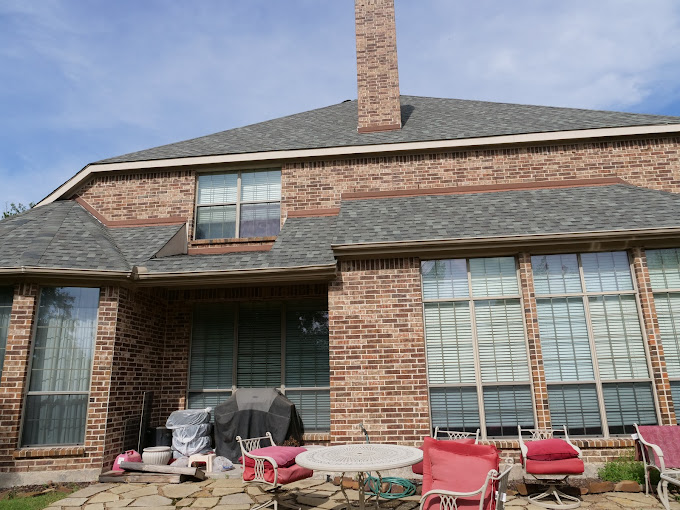
Crackling Clues: Roof Inspection for Hidden Damage
If you’ve heard odd crackling sounds during storms or noticed small signs like damp ceilings, the roof may be telling you something before the problem fully shows up. This guide explains what a professional roof assessment looks for, what “hidden damage” usually means, and how to decide between roof repair, roof replacement, and roof leak detection in Plano, TX.
Last week, a homeowner in Plano noticed a crackling sound near an attic vent after a storm. The roof didn’t look dramatically damaged from the street, but later the ceiling stain showed up in the same area. That’s a frustrating moment because the leak can start small, travel under shingles or flashing, and only become obvious after water has had time to spread.
This article helps you understand what to check first, what a professional roof inspection should include, and which signs point to roof repair versus roof replacement. You’ll also find a practical checklist you can use before calling a local roofing company for a roof assessment.
Quick Answer
If you suspect hidden roof damage, don’t rely only on what you can see from the ground. Start by documenting leaks, checking attic ventilation and roof penetrations, and looking for early indicators like damp insulation or damaged flashing. Then request a professional roof inspection that includes a targeted roof assessment, not just a quick surface glance. In many cases, the right next step is roof repair or roof leak detection. If the roof system is compromised across multiple areas, a roof replacement may be the more reliable long-term Roofing Solution.
What to Check First
Before you schedule anything, you can narrow down what’s happening. These steps are meant to help you describe the problem clearly to your roofing contractor and avoid missing the most common leak sources.
1) Track the leak pattern
Write down when the problem shows up. Does it happen after wind, hail, or heavy rain? Leaks can also appear a day later when water reaches the interior.
2) Inspect the attic carefully
Look for damp insulation, dark streaks on rafters, water spots on sheathing, and any areas where ventilation feels blocked. If you see active moisture, stop further water exposure and get a roof inspection.
3) Check roof penetrations
Vents, chimneys, plumbing boots, and skylights are frequent leak points. Flashing around these areas can fail even when shingles look mostly intact.
If you’re noticing ceiling staining or moisture inside, you can also consider whether water has affected other building materials. For help with water-related cleanup and restoration needs after leaks, review water damage restoration services.
Main Things Customers Should Understand
“Hidden damage” isn’t a mystery. It’s usually water intrusion that travels along the roof system before it ever reaches the interior. In Plano, TX, where storms can bring strong wind and hail, roofs often take impacts that are subtle at first.
Professional observation: Hidden roof damage often shows up in the attic or around flashing first. The exterior may look acceptable while the underlayment, sealants, or flashing joints have already been compromised.
What a roof inspection should include
A careful inspection looks beyond visible shingles and focuses on the full roof system. That typically means checking:
- Shingle and flashing condition at edges, valleys, and around penetrations
- Underlayment and leak pathways where water could travel
- Ventilation and airflow that can affect drying and moisture behavior
- Signs of roof leak detection needs, especially after storms
Crackling sounds and what they can mean
Crackling can be caused by temperature changes, but after a storm it can also signal movement of roofing materials, debris shifts, or moisture-related expansion and contraction. If the sound happens during or right after wet weather, treat it as a clue to inspect flashing and penetrations rather than waiting for a bigger interior problem.
| Decision point | More likely roof repair when… | More likely roof replacement when… |
|---|---|---|
| Leak source | The issue is localized to flashing, a vent, a small section of shingles, or a specific roof penetration. | Multiple sections show compromised underlayment, widespread flashing failure, or repeated leak pathways. |
| Extent of damage | The roof deck and surrounding materials show limited impact and can be addressed without disturbing large areas. | There are signs of broader system degradation that suggests the roof assembly needs renewal. |
| Long-term reliability | Repairs restore the roof system where the damage is concentrated. | Replacing the roof system provides a more complete Roofing Solutions approach when damage is not just cosmetic. |
| Next step | Schedule roof repair and verify the leak is resolved with a proper roof assessment. | Plan residential roof replacement or commercial roof replacement based on your building type and roof condition. |
If you’re also planning updates to the rest of the home after addressing the roof, Sunshine Roofing can help coordinate related home renovation services. When the roof work is paired with interior fixes, the end result tends to feel more cohesive.
Why this matters in Plano, TX
In Plano, TX, roofs often face repeated cycles of heat, wind, and severe weather. Even when exterior shingles appear mostly intact, storm impacts can loosen sealants or create micro-failures around flashing. Those issues can let water move underneath materials during heavy rain, then show up later as damp insulation, staining, or musty smells in the attic.
Another local consideration is how many homes and properties in the area are designed with common roof features like vents, multiple roof penetrations, and asphalt shingle roofing. Those details create more junction points where water can infiltrate if the flashing or sealing has been compromised.
Get a focused roof assessment in Plano
If you’re seeing signs of roof leak detection needs or suspect hidden damage after a storm, call Sunshine Roofing to discuss your situation. A professional inspection helps you choose the right path for roof repair or roof replacement.
Call Sunshine Roofing: (214) 532-8878Common Mistakes to Avoid
Most roof problems worsen after small oversights. Here are common mistakes homeowners make when they suspect hidden damage.
- Relying only on a quick exterior look instead of a professional roof inspection
- Waiting to check the attic after the first ceiling stain appears
- Applying temporary sealants to flashing without identifying the actual leak pathway
- Ignoring roof ventilation issues that can increase moisture buildup in the attic
- Assuming “no missing shingles” means no roof damage after hail or wind
Representative scenario: what often happens
Consider a typical residential case in Plano, TX: after a windy storm, a homeowner hears crackling in the attic and later notices a faint stain near a vent pipe. The shingles around the vent look mostly intact from the ground. During inspection, the issue is traced to compromised flashing at the vent collar. Water worked its way underneath during heavy rain and showed up inside later. The fix involves proper roof repair at the penetration and verifying the surrounding areas are sealed and functioning as intended.
Customer Checklist
Use this checklist before your roof inspection appointment. It helps you communicate what you’ve seen and gives your roofing contractor a clear starting point for a roof assessment.
- List dates and times when you notice leaks, stains, or wet spots
- Take photos of the interior area (ceiling, attic insulation, any damp spots)
- Check the attic for damp insulation, dark streaks, or active moisture
- Note any roof penetrations nearby (vents, chimneys, skylights)
- Look for signs of storm-related impacts around edges, valleys, and flashing areas
- Keep track of whether the issue is worse after rain or wind
If your roof is part of a commercial property, the same inspection logic applies, but the scope and roof system details can differ. For commercial-focused support, you can review roof repair services to understand how repairs are handled when leaks and damage need a targeted approach.
Frequently Asked Questions
Do I need a roof inspection if the roof looks fine from the street?
Often, yes. Roof damage can be subtle at first, especially around flashing, vents, and roof junctions. Water intrusion may travel underneath materials before it becomes visible inside. A professional roof inspection checks the full roof assembly and common leak pathways so you can avoid guessing. If you’ve noticed crackling sounds after storms, ceiling staining, or damp insulation, a roof assessment is a practical next step.
What does roof leak detection usually involve?
Roof leak detection typically focuses on identifying the source and the route water takes. Inspectors look for compromised flashing, failed sealants, and areas where water can move beneath shingles or underlayment. The goal is to connect interior signs to exterior roof components, so repairs address the actual cause. That approach helps reduce repeat issues that can happen when damage is patched without confirming the leak pathway.
Can flashing damage cause hidden leaks even if shingles are intact?
Yes. Flashing is designed to seal transitions and roof penetrations, and it can be affected by wind, impact, and aging. Even if shingles look intact, a small failure around a vent collar, chimney flashing, or valley can allow water to enter. Once water gets under the surface layer, it can spread to nearby areas before it shows up inside. That’s why a professional roof inspection should include the flashing and penetration details.
When should homeowners consider roof replacement instead of roof repair?
Roof replacement becomes more likely when the damage is not limited to a single localized area, or when the roof system shows broader degradation that suggests multiple compromised sections. If inspections reveal repeated leak pathways, widespread underlayment issues, or extensive system failure, replacing the roof can be the more reliable long-term roofing solution. A proper roof assessment helps you compare options based on the actual condition of the roof assembly.
What if the leak already caused water damage inside?
Addressing the roof source is the first priority so the area stops getting wet. After that, water damage cleanup and restoration may be needed depending on how far moisture spread. If you see damp insulation, lingering odors, or signs of mold prevention needs after water damage, it’s important to handle the interior appropriately. Sunshine Roofing also offers water damage restoration services to support the next steps after a leak.
Ready for a roof assessment in Plano?
If crackling clues, damp spots, or post-storm concerns are on your mind, Sunshine Roofing can help you evaluate the roof and plan the next step. The right inspection makes it easier to choose quality roofing services that fit your situation.
Explore roof replacement optionsPrefer to talk first? Call (214) 532-8878