
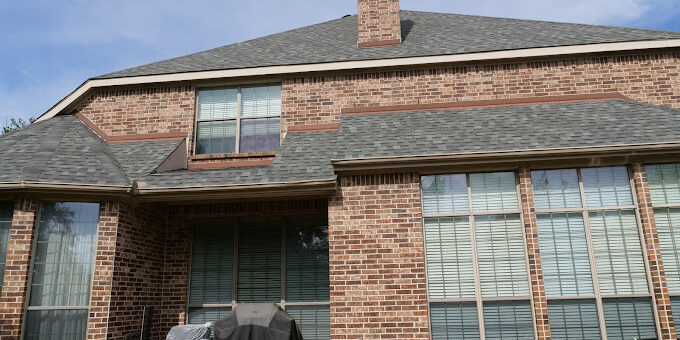
Expert Roofing Contractor Tips for Storm Preparedness
Spring in North Texas doesn’t just bring bluebonnets and patio weather. It also brings severe thunderstorms, damaging winds, and hail that can shred a roof in minutes. In Plano and the greater DFW area, it’s not unusual to see multiple hail events in a single season—and insurance data consistently ranks North Texas among the top regions nationwide for hail-related property claims.
For business owners and homeowners, that means your roof isn’t just a building component; it’s your first line of defense against sudden, costly damage. A single unnoticed puncture or lifted shingle can lead to interior water damage, mold, and expensive repairs down the road.
This guide from Sunshine Roofing in Plano, TX, walks you through how to prepare your roof before storms hit, how to respond after severe weather, and how to work with trusted roofing experts to protect your property long-term. You’ll learn how to spot early warning signs, what a professional roof assessment includes, and how to build a smart storm-readiness plan for your home or business.
Key Insight: Proactive storm preparation and timely inspections cost far less than emergency roof repair and interior water damage restoration after a major Texas storm.
Understanding North Texas Storm Risks and Your Roof’s Weak Points
Plano sits in a unique weather corridor where warm Gulf air and cooler systems collide, creating powerful storms, high winds, and frequent hail. Those conditions are especially tough on older roofing systems and poorly maintained roofs.
Hailstones as small as 1 inch can bruise asphalt shingles, while the larger stones we often see in Collin County can crack shingles outright, dent metal, and compromise roof flashing. Over time, those impacts weaken your roof’s protective surface—even if you don’t see leaks right away.
“Most storm-related roof failures we see in Plano start as small, overlooked weaknesses that were never checked after earlier storms.” — Sunshine Roofing Inspection Team
Common weak points include:
- Aging or brittle shingles, especially on south- and west-facing slopes
- Loose or deteriorated flashing around chimneys, skylights, and vents
- Poorly sealed roof penetrations (satellite mounts, HVAC lines, etc.)
- Clogged gutters that back water under the roof edge
- Previous patchwork Roof Repair done without a full professional roof inspection
Local homeowners and property managers often underestimate cumulative damage. One Plano client had “survived” multiple hailstorms with no obvious leaks, but a professional Roof Replacement assessment revealed widespread granule loss and hidden fractures. Within a year, they would have been facing interior water damage.
Understanding how Texas storms attack different roofing systems is the first step in building a real preparedness plan.
Building a Storm-Ready Roof: Materials, Design, and Maintenance
A storm-ready roof is the product of three things: quality materials, proper installation, and consistent maintenance. Skimp on any one of these, and your roof becomes vulnerable when the next storm rolls through Plano.
Choosing the Right Roofing System
Different roofing materials offer different levels of storm resistance:
- Impact-resistant asphalt shingles (rated Class 3 or 4)
- Standing seam metal roofing, which handles hail and wind extremely well
- Reinforced flat roofing systems (TPO, modified bitumen) for commercial buildings
A Plano business owner with a low-slope roof, for example, replaced an aging membrane with a reinforced TPO system. The next spring, a hailstorm that damaged several nearby buildings left their roof fully intact—no leaks, no downtime.
Installation and Detailing Matter
Even the best materials will fail if they’re not installed to manufacturer specs and local building codes. That’s where working with licensed, trusted roofing contractors becomes critical. A reputable Roof Replacement partner will:
- Use proper fastener patterns and quantities for high-wind zones
- Install and seal flashing correctly at all transitions
- Ensure proper roof ventilation to extend shingle life
- Follow manufacturer guidelines to preserve warranty coverage
The Role of Preventive Maintenance
Ongoing roof maintenance is your insurance against minor issues turning into storm disasters. A well-planned maintenance program includes:
- Semi-annual inspections (often spring and fall in North Texas)
- Clearing debris from valleys and gutters
- Checking and resealing flashing and penetrations
- Documenting conditions with photos for insurance purposes
A storm-ready roof is less about luck and more about deliberate choices—materials, details, and upkeep—that pay off when severe weather arrives.
Pre-Storm Checklist: Practical Steps Before Severe Weather Hits
You can’t control North Texas weather, but you can control how prepared your property is before the radar lights up. A pre-storm checklist helps you catch vulnerabilities early and minimize damage.
Exterior and Roof Perimeter
From the ground, and without climbing onto the roof yourself, you can:
- Look for missing, curling, or buckled shingles
- Check for sagging gutters, loose downspouts, or rusting fasteners
- Scan for tree branches hanging over or rubbing against the roof
- Note any staining on soffits or fascia that might indicate hidden leaks
A Plano homeowner recently asked Sunshine Roofing to do a quick pre-storm check after seeing shingle edges curling. Our team found lifted shingles and loose ridge caps on the windward side. A modest Roof Repair visit to secure and seal vulnerable areas likely prevented major wind damage during the next storm front.
Interior and Attic Checks
Inside the home or building:
- Look for water stains on ceilings or upper walls
- Check the attic for damp insulation, moldy odors, or visible daylight
- Ensure attic vents are clear and not blocked by insulation
“Early moisture signs in an attic are often the first clue that past storms have already compromised the roof.” — Sunshine Roofing Project Manager
Document and Plan
Before storm season:
- Take dated photos of your roof, gutters, and exterior
- Keep copies of past inspection reports and invoices
- Store your insurance policy and roofing contractor contact info in one place
The more thorough your pre-storm preparation, the faster and smoother your post-storm recovery will be.
What a Professional Storm-Readiness Roof Inspection Should Include
A thorough, professional roof inspection goes far beyond a quick visual glance from the driveway. For storm preparedness, you want a detailed assessment that identifies both current damage and potential weak spots.
Components of a Quality Roof Inspection
A comprehensive inspection from experienced roofing experts typically covers:
- Shingle condition: granule loss, cracks, blisters, or impact marks
- Flashing: rust, gaps, lifted edges, and improper overlaps
- Roof penetrations: vents, pipes, satellite mounts, and HVAC units
- Gutters and downspouts: secure attachment and proper drainage
- Roof deck: soft spots that might indicate rot or hidden water damage
On a recent commercial property in Plano, our inspection team discovered multiple punctures in a flat roof membrane that were invisible from ground level. Left alone, these would have allowed water intrusion and potentially required extensive Water Damage Restoration inside the building.
Traditional vs. Modern Inspection Approaches
Here’s how basic visual checks compare to a modern, professional inspection:
| Approach | Basic Visual Check | Professional Storm-Readiness Inspection |
|---|---|---|
| Viewing Angle | From ground only | On-roof and sometimes drone-assisted |
| Documentation | None or minimal | Photos, notes, and condition report |
| Hidden Damage Detection | Rarely identified | Often detected through close-up inspection |
| Flashing and Penetration Review | Often overlooked | Specifically checked and tested |
| Insurance Claim Support | Limited | Detailed documentation for adjusters |
“An inspection isn’t just about today’s condition. It’s about spotting where tomorrow’s leak is likely to start.” — Sunshine Roofing Owner
Investing in a professional storm-readiness inspection is one of the most cost-effective ways to protect both your roof and the interior of your property.
Responding After a Storm: From Emergency Protection to Long-Term Solutions
Once a storm has passed, timing becomes critical. Quick, informed action can be the difference between a manageable Roof Repair and a major interior restoration project.
Immediate Safety and Temporary Protection
After a storm:
- Check for downed power lines or structural hazards from a safe distance
- Look for obvious roof damage: missing shingles, exposed decking, or debris
- If you see active leaks inside, place buckets and move valuables away
A reputable roofing company can provide emergency tarp services or temporary patches to stop active leaks. Sunshine Roofing was called to a Plano home where a large tree limb had punctured the roof. Within hours, our crew installed a secure tarp system, preventing further rain from entering the home and limiting the need for extensive interior repairs.
Inspection and Documentation for Insurance
Before calling your insurance company, have a professional roofer perform a detailed inspection and provide:
- A written report of damage
- Photo documentation of affected areas
- A repair or replacement estimate
This documentation helps you communicate more effectively with your insurance adjuster and ensures storm-related damage is properly recorded.
Repair vs. Replacement: Making the Right Call
Sometimes targeted roof repair is the right answer; other times, widespread storm damage makes a full Roof Replacement more cost-effective in the long run.
Sunshine Roofing helped a Plano family whose small ceiling stain turned out to be the result of repeated storm damage. The underlying deck had rotted, and the attic insulation was saturated. Prompt action limited the repair scope and avoided more invasive interior restoration work.
A clear, step-by-step response plan—safety, temporary protection, inspection, insurance coordination, and permanent repair—keeps you in control after severe weather.
Protecting the Inside: Water Damage, Renovations, and Mold Prevention
A storm-damaged roof doesn’t just affect shingles and flashing. Once water gets past your roof system, the interior of your property is at risk: drywall, flooring, insulation, and even structural elements can be affected.
Water Damage Progression
Unaddressed roof leaks can lead to:
- Ceiling and wall staining, followed by bubbling and sagging
- Wet insulation, which loses its R-value and encourages mold growth
- Warped hardwood floors or damaged carpet and pad
- Compromised electrical systems in attics or walls
“By the time you see a stain on your ceiling, moisture has often been present for days or weeks.” — Sunshine Roofing Restoration Specialist
On a Plano home, a small leak from wind-driven rain progressed into a full-scale living room renovation. Had the roof leak been caught earlier, the homeowners could have avoided replacing drywall, trim, and flooring.
Coordinating Roofing and Interior Services
Working with a contractor who understands both roofing and interior restoration streamlines recovery. In addition to roofing services, Sunshine Roofing assists clients with:
- Water Damage Restoration and structural drying
- Mold prevention after water damage
- Coordinated Home Renovation Services when repairs require rebuilding interior spaces
If a storm forces you to repair or remodel parts of your home, it can also be an opportunity to update finishes, improve lighting, or reconfigure layouts—especially in kitchens and bathrooms.
Roofing and Interior Recovery Costs: A Local Perspective
Here’s a simplified comparison of addressing roof-only issues vs. combined roofing and interior damage in the Plano area:
| Scenario | Scope of Work | Typical Outcome |
|---|---|---|
| Proactive roof repair after storm | Roof inspection + minor repairs | Low cost, no interior impact |
| Delayed response to roof leaks | Roof repair + interior drywall/paint | Higher cost, more disruption |
| Major leak with extended exposure | Roof replacement + flooring, drywall, trim | Highest cost, often requires temporary relocation |
Protecting the interior of your property is inseparable from protecting your roof. A coordinated approach keeps storm damage from cascading into a full-blown renovation unless you want it to.
What This Means for Businesses in Plano, TX
For Plano businesses, storm preparedness isn’t just about property protection—it’s also about continuity. A compromised roof can shut down operations, damage inventory, and create unsafe working conditions.
Local business owners face a few particular realities:
- Many commercial buildings in Plano have flat or low-slope roofs that are especially vulnerable to ponding water and membrane punctures.
- Retail and office tenants often rely on property managers to handle roof issues, but delayed communication can lead to extended downtime.
- Insurance deductibles for commercial properties in North Texas can be significant, so preventing damage is often more cost-effective than filing frequent claims.
By partnering with experienced roofing experts, Plano businesses can:
- Schedule routine inspections outside of peak storm season
- Create a prioritized repair and maintenance plan
- Install more resilient systems during planned Commercial Roof Replacement projects
- Coordinate roof work with interior improvements or tenant finish-outs
One Plano warehouse client, for example, worked with Sunshine Roofing to upgrade their aging flat roof. Together, we planned the project around their busiest shipping periods and phased the work to keep loading operations active. When a major hailstorm hit months later, nearby facilities suffered leaks and inventory losses—while their building remained dry and fully operational.
For both homeowners and businesses, storm readiness in Plano comes down to three main principles:
- Know the condition of your roof before storms hit.
- Act quickly and strategically after severe weather.
- Work with trusted roofing contractors who understand both roofing systems and the realities of North Texas weather.
Frequently Asked Questions
Q: How often should I have my roof inspected in Plano’s climate?
A: In North Texas, a roof should be professionally inspected at least once a year, and again after any major hail or wind event. Our severe weather patterns mean even a relatively new roof can suffer damage you may not see from the ground. A professional roof inspection helps identify small issues—like lifted shingles, minor hail bruising, or deteriorating flashing—before they become leaks. Many Plano homeowners choose a spring inspection to prepare for storm season, and a fall check to confirm the roof handled summer storms without problems.
Q: How do I know if I need roof repair or a full replacement after a storm?
A: The decision between targeted Roof Repair and full Residential Roof Replacement depends on the extent and location of the damage, the age of the roof, and your long-term plans for the property. If damage is limited to a small section and the roof is relatively young, repairs may be sufficient. However, widespread hail impact, significant granule loss, or multiple past repairs can indicate that a full replacement will provide better protection and value over time. A detailed inspection and written assessment from a trusted roofing contractor will help you make an informed choice.
Q: Can small hail really damage my roof if I don’t see leaks?
A: Yes. Smaller hail can still weaken shingles by bruising the mat and knocking off protective granules. You might not see missing shingles or immediate leaks, but the impact areas become vulnerable to UV damage and future storms. Over a few seasons, this can shorten your roof’s lifespan and increase the likelihood of leaks. Plano’s frequent hail events make cumulative damage a real concern, which is why having roofing experts inspect after storms is so important—even when the damage isn’t dramatic from the street.
Q: What should I do first if my roof starts leaking during a storm?
A: Your first priority is safety. Move people, pets, and valuables away from the leak area, and use buckets or containers to catch water. Avoid standing water near electrical outlets or fixtures. Once things are stable, contact a roofing company that offers emergency roofing services to install a temporary tarp or patch as soon as it’s safe. Document the leak with photos or video for insurance purposes. After the weather clears, a full inspection will determine whether you need localized Leaky Roof Repair or more extensive work.
Q: How does roof damage relate to interior water damage and mold?
A: A compromised roof is often the starting point for interior water damage. Even a small opening can allow repeated moisture intrusion, soaking insulation, drywall, and framing. In Plano’s warm climate, damp materials can quickly become a breeding ground for mold if not properly dried. That’s why addressing roof issues and scheduling prompt Water Damage Restoration Services is critical. Structural drying, moisture mapping, and targeted removal of saturated materials help prevent mold growth and protect your indoor air quality.
Q: Is it worth upgrading to impact-resistant shingles in Plano?
A: For many homeowners in Plano and the surrounding area, upgrading to impact-resistant shingles during a scheduled Roof Replacement can be a smart investment. These shingles are designed to better withstand hail and may reduce the frequency of storm-related repairs. Some insurance carriers also offer premium discounts for approved impact-resistant roofing, which can help offset the initial cost. A trusted roofing contractor can explain material options, warranty details, and how these products perform in real North Texas storm conditions.
Q: Can roofing work be coordinated with other home renovations after a storm?
A: Absolutely. Many Plano homeowners use storm-related repairs as an opportunity to tackle broader Home Improvement Services. For example, if a leak has damaged a kitchen ceiling, it may be an ideal time to consider updates to lighting, cabinetry, or layout. Working with a contractor who handles both roofing and interior renovations streamlines scheduling, ensures consistent quality, and can reduce overall disruption. Sunshine Roofing often helps clients coordinate roofing, drywall, paint, and finish work into a single, cohesive project.
Ready to Get Started?
Storm season in Plano doesn’t wait, and neither should your preparation. Each passing front adds wear and tear to your roof, and small weaknesses have a way of turning into big problems at the worst possible time. Taking action now—before the next line of storms shows up on the radar—can save you from emergency calls, interior damage, and costly business interruptions.
The next steps are simple: schedule a professional roof inspection, review any recommended repairs or upgrades, and build a basic storm-readiness plan for your property. Whether you’re a homeowner protecting your family’s largest investment or a business owner safeguarding your operations, having a trusted roofing partner on call makes all the difference when severe weather hits.
Sunshine Roofing has built its reputation in Plano, TX, by providing honest assessments, quality workmanship, and responsive service during storm season and beyond. Reach out today to discuss your roof’s condition, schedule an inspection, or ask questions about storm preparedness tailored to your home or business.
About Sunshine Roofing
Sunshine Roofing is a locally owned roofing and remodeling company serving Plano, TX, and surrounding North Texas communities. With years of experience handling storm damage, roof replacement, roof repair, and interior renovations, our team combines technical expertise with a commitment to straightforward communication and long-term value. We understand the unique challenges of North Texas weather and work closely with homeowners and businesses to protect their properties before and after severe storms. Learn more about our services at Sunshine Roofing.