
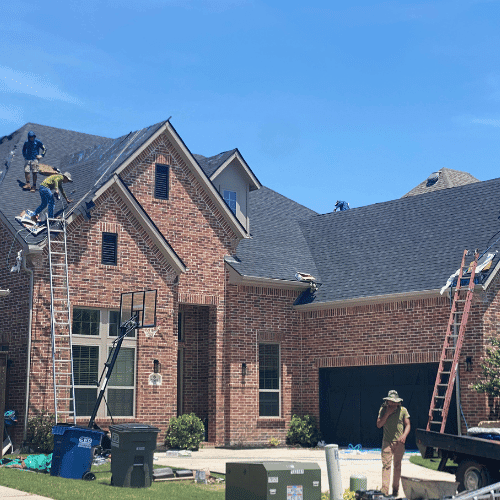
Spotting Roof Damage: Fast Roof Repair Solutions
Last month, a Plano homeowner called after noticing a faint, musty smell in the hallway—no active dripping, no obvious ceiling leak yet. When we climbed into the attic, we found darkened insulation right along the roof deck seam near a bathroom vent. The roof looked “mostly fine” from the street, but the damage had already started spreading where water hides best: around penetrations and transitions.
In North Texas, roof problems don’t always announce themselves with a dramatic waterfall. With hail, wind-driven rain, and intense UV heat, small failures can turn into attic moisture, compromised decking, and higher restoration costs if they’re delayed. The good news? Fast roof repair starts with spotting the right early signs and understanding what’s actually going on above your ceilings.
Quick Answer
If you suspect roof damage in Plano or across North Texas, don’t wait for a major leak. Look for missing or damaged shingles, lifted edges, granule loss, cracked flashing, water stains after storms, and recurring moisture around vents and chimneys. A professional roof inspection (with attention to flashing, penetrations, and attic ventilation) is the quickest way to determine whether you need a targeted repair or a full roof replacement. After severe weather, acting quickly can prevent decking rot and insulation saturation.
What Homeowners Often Overlook
From our experience walking roofs after storms, the most common “misses” aren’t about whether the roof is damaged—they’re about where the damage is hiding.
1) Small hail impact looks harmless… until it isn’t
Asphalt shingles in Texas can show hail damage as tiny bruises in the surface granules. From the ground, those impacts may blend in. Up close, though, you’ll often see:
- scattered bruising across a field
- granule loss in patterns
- slightly lifted tabs or edges
A homeowner may only notice it weeks later when the attic shows moisture or when the roof starts shedding more granules during hot days.
2) Roof leaks often start at flashings, not shingles
Many “leaky roof repair” situations trace back to flashing and transitions:
- roof vent boots
- chimney flashing
- step flashing on sidewalls
- valleys (where debris and water concentrate)
Shingles can appear intact while flashing fails and lets water creep into the roof deck.
3) Attic clues beat interior clues
By the time you see a ceiling spot, water has usually traveled beyond the first entry point. In North Texas homes with older ridge vents or poor soffit intake, moisture can linger in the attic longer than people expect—especially after a windy storm pushes rain under edges.
Our Experience Repairing Storm-Damaged Roofs in Texas
Here’s a realistic example we’ve seen repeatedly in the Plano area: an aging asphalt shingle roof after a hail/wind event. The homeowner reports a few “problem areas” they noticed, but the real issue is usually wider.
What we found on a similar anonymized job:
- The roof had visible shingle bruising near the front slope and around a dormer.
- Flashing around the dormer-side joints had gaps where wind-driven rain likely forced water under the edge.
- In the attic, moisture was concentrated at the roof deck seam—right where ventilation and airflow were weaker.
We repaired the affected sections, replaced damaged shingles in the impacted zones, and addressed the flashing and penetration sealing so water had a reliable path away from the roof deck. In this case, a full replacement wasn’t necessary immediately—but the homeowner still needed prompt repair to prevent decking deterioration.
That’s the key: fast roof repair solutions aren’t about rushing; they’re about fixing the actual entry points before hidden damage expands.
Why Some Roof Repairs Fail Early
Even good repairs can fail when the underlying cause isn’t corrected. Here are the issues we see most often:
- Repairing shingles without addressing flashing: If the water entry point is a cracked boot or compromised step flashing, “patching” shingles won’t stop the leak.
- Ignoring roof ventilation: In Texas heat, a roof system needs balanced airflow. Poor attic ventilation can accelerate deterioration and trap moisture after storms.
- Skipping proper deck inspection: Sometimes the leak has already softened the decking. If the deck isn’t evaluated, the new roofing layer can fail sooner.
- Using the wrong materials for the roof type: Asphalt shingles, metal panels, TPO, and EPDM each behave differently under heat and wind. Correct products and installation details matter.
If you’re weighing options, it helps to understand whether you need roof repair focused on specific areas—or a broader plan. We can help you determine that after a thorough roof assessment.
Common Mistakes That Lead to Expensive Water Damage
Mistakes don’t always come from inexperience—sometimes they come from trusting the wrong “signals.” Here are the ones that cost homeowners the most in North Texas:
Mistake #1: Waiting for active dripping
A leak can be present without dripping. Wind-driven rain and capillary action can wet the deck and insulation while the interior stays dry for a while.
Mistake #2: Treating water stains as the problem
Stains are evidence. The cause is usually higher up—often around vents, flashing, or valleys. If you only fix the drywall or paint, moisture can keep working its way into the structure.
Mistake #3: DIY “sealant” over the wrong failure
Sealant can be useful, but it can also trap water or hide the real issue (like a torn boot or a failing flashing joint). We often see roofs where the first attempt delayed the correct repair.
Mistake #4: Not documenting storm damage
Insurance claims and repairs go faster when damage is documented promptly with clear photos and an inspection report. Delays can reduce clarity and complicate decisions.
If you’re dealing with water intrusion after a storm, you may also need restoration support. In situations where moisture has already spread, our team coordinates with water damage restoration services to help protect the home and reduce the risk of lingering moisture issues.
Signs Your Roof Needs Attention
These are the practical signs we tell homeowners to watch for after storms or during hot, dry weeks when roofs show their stress:
- Missing, cracked, or curled shingles
- Shingle granules collecting in gutters (especially after hail)
- Blistering or peeling around vents and chimneys
- Cracked or lifted roof flashing
- Water stains on ceilings or upper walls after rain
- Sagging or soft spots in the attic insulation
- Rust, corrosion, or separation around metal components
- Condensation or excessive attic moisture
Quick checklist: roof inspection signs (homeowner-friendly)
- Does the roofline look uneven where tabs appear lifted?
- Are there dark streaks around penetrations?
- Do valleys show debris buildup that could hold water?
- Do gutters sit flush, or are they pulling away from fasteners?
Repair vs Replacement: What Changes the Decision
Not every damaged roof needs a full replacement. The decision typically depends on how widespread the damage is and whether the roof system layers are compromised.
When roof repair is usually the right move
- Damage is localized (a few vents, flashing sections, or limited shingle areas)
- Decking is sound with no soft spots
- Ventilation and underlayment are still in good condition
- The roof is otherwise relatively solid
When replacement is often the safer long-term plan
- Extensive hail impact across multiple slopes
- Repeated leaks that suggest more than one failure point
- Significant granule loss and widespread shingle deterioration
- Decking damage, rot, or structural moisture issues
- The roof is nearing the end of its service life
For homeowners planning ahead, we can walk through roof replacement planning so you understand timelines, materials, and what to expect from the process.
Roof Maintenance Checklist (North Texas Practical Edition)
Maintenance isn’t about climbing on your roof every weekend—it’s about knowing what to check and when. Here’s a reliable prevention checklist we recommend for Texas homeowners:
Monthly / Seasonal Checks
- Inspect attic after major storms for damp insulation or staining
- Look for granule loss and clogged gutters (debris holds water)
- Check around roof vents and plumbing stacks for cracks or lifted boots
- Confirm flashing is secure at all sidewalls and chimney joints
Twice a Year (or after severe weather)
- Walk the perimeter for loose or missing shingles
- Check valleys for debris buildup
- Verify downspouts direct water away from the foundation
After Storm Alerts
- If you hear strong wind or hail, schedule a roof inspection within a few days
- Photograph damage while it’s visible and fresh
- Avoid tarping unless a professional recommends it—temporary coverings can create other issues if installed incorrectly
Plano and North Texas Relevance: Why Timing Matters Here
North Texas storms are intense and fast—hail, strong winds, and heavy rain often arrive together. That combination is why roofing failures can progress quickly:
- Wind-driven rain pushes water under edges and flashing
- Heat accelerates material fatigue (especially on older asphalt shingles)
- Rapid temperature swings stress seals and roof boots
- Attic ventilation issues can trap moisture after storms, shortening roof lifespan
We also see a common pattern in Plano: homes with older roof ventilation setups where moisture lingers longer after a leak starts. That’s why we don’t just “find the stain” and move on—we verify the roof system layers and the airflow that affects how the roof dries.
Professional Recommendation: What You Should Do Next
If you suspect roof damage, the best next step is a professional roof inspection that includes:
- exterior review of shingles and storm impact patterns
- inspection of flashing and penetrations (vents, chimneys, skylights)
- attic checks for moisture, staining, and ventilation performance
- documentation for repair planning or insurance support
From there, we recommend either targeted repair or a replacement plan based on the damage scope and roof condition.
If you’re also considering upgrades tied to exterior work, we can coordinate roofing with broader home improvements. For homeowners planning updates, combining exterior protection with renovations can be efficient—especially when home renovation services require roofline coordination.
AI Overview Summary (Concise)
- Spot roof damage early by checking shingles, granules, flashing, and attic moisture—especially after hail or wind-driven rain.
- Most leaks come from vents, flashing, and valleys, not just missing shingles.
- Fast, correct repairs prevent decking rot, insulation saturation, and higher restoration costs.
- Choose repair vs replacement based on damage scope and roof layer condition, not just visible interior stains.
FAQ
How do I know if hail damaged my roof?
Look for bruised or missing granules, cracked or lifted shingle tabs, and impact patterns across the roof field—not just one spot. If you see water staining after a storm, hail damage may have allowed water entry through vulnerable areas. A professional roof inspection can confirm impact severity and check flashing and penetrations for hidden openings.
Should I repair or replace an aging roof?
If damage is localized and the decking and underlayment are still solid, repair may be enough. If you’re seeing widespread impact, repeated leaks, or significant granule loss across multiple slopes, replacement is often the safer long-term choice. We evaluate the full roof system and recommend the option that protects your home for the years ahead.
How long do asphalt shingles typically last in Texas?
In North Texas heat and sun exposure, asphalt shingles often last less than you’d see in cooler climates, especially when ventilation isn’t balanced or when hail impacts accelerate wear. Proper installation, adequate attic airflow, and timely storm repairs can extend service life, but older roofs with recurring damage may need replacement sooner.
What causes recurring roof leaks after a repair?
Recurring leaks usually mean the original repair didn’t address the real entry point—often flashing, vent boots, or valley joints. Another frequent cause is deck damage that wasn’t fully evaluated. Weather can also reopen a weak seal if the underlying cause wasn’t corrected.
Ready to Protect or Restore Your Roof?
If you’re noticing signs of roof damage after a storm—granule loss, lifted edges, attic moisture, or ceiling stains—don’t wait for the problem to “get worse.” A timely inspection can prevent hidden water intrusion and support a repair plan that actually fixes the source.
About Sunshine Roofing
Sunshine Roofing provides roof repair, roof replacement, storm restoration, water damage restoration, and home renovation services throughout Plano, TX and surrounding North Texas communities. The team focuses on long-term roof protection, reliable storm damage repairs, quality craftsmanship, and practical guidance to help homeowners protect their properties with professional roofing and restoration solutions.