
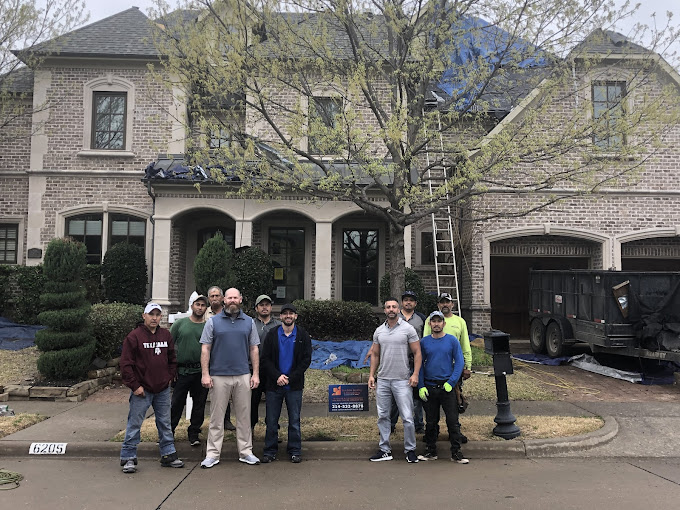
Smart Roof Replacement Planning With Expert Inspection
Last summer, a Plano homeowner called us after noticing a damp spot on the ceiling near an upstairs bathroom. The rain had mostly passed a week earlier, so they assumed the leak had “dried up.” But when we inspected the attic, the problem wasn’t gone—it had simply moved. Water had traveled along the roof deck and gathered around a roof penetration, then reappeared later when temperatures swung and attic moisture migrated.
That’s a common scenario in North Texas: storms don’t always cause visible damage right away, and the roof can look “mostly fine” while hidden water intrusion quietly damages insulation, decking, and framing. When you’re thinking about roof replacement—or even just trying to figure out whether repair is enough—an expert inspection is what turns guesswork into a plan.
Quick Answer
A smart roof replacement plan starts with a professional roof inspection that checks shingles and flashings, ventilation, roof deck condition, and signs of storm-related water intrusion. In many cases, what looks like “just a few missing shingles” may involve damaged underlayment, compromised flashing, or failed penetrations—issues that push the project toward partial or full replacement. After inspection, the next step is matching the solution to the real cause, not just the visible symptom.
What Actually Happens During a Professional Roof Assessment
A roof inspection for replacement planning shouldn’t be limited to a quick look from the ground. At Sunshine Roofing, we build a clear picture of your roof system as a whole—covering what you can see from street level and what you only find once you’re in the attic and at the roof’s details.
What we look for (beyond missing shingles)
- Hail and wind pattern damage: Asphalt shingles can show bruising, granule loss, or micro-cracking that isn’t obvious unless you inspect specific zones.
- Underlayment condition: Even when shingles look intact, underlayment can tear, wrinkle, or become saturated.
- Flashing performance: Roof-to-wall transitions, chimneys, skylights, and plumbing boots are where recurring leaks often originate.
- Roof deck integrity: Soft spots, delamination, and water staining tell us whether replacement is needed for more than just the surface layer.
- Ventilation and heat management: Attic airflow and temperature affect how quickly shingles age in Texas sun and heat cycles.
A firsthand observation we see often
One of the most telling things we find during inspections is water staining that doesn’t match the leak you think you have. For example, homeowners report a leak near a bathroom, but the moisture source is at a different penetration or flashing seam. Gravity and capillary action can move moisture along the deck and then “show itself” where it can escape into the attic or insulation. That’s why a proper assessment includes both interior and roof-level evaluation.
What Homeowners Often Overlook
1) “It’s just a small leak.”
Small leaks can be deceptive. A minor roof penetration failure—like a worn seal around a vent pipe or a damaged flashing edge—can allow moisture to enter during heavy rain. The roof may stop leaking when the weather calms, but the materials stay wet longer than homeowners realize.
2) Storm damage can be invisible from the street
In North Texas, hailstorms can impact shingles without creating dramatic breaks. Granule loss, impact bruising, and hairline cracks can accumulate across a slope. If you only replace a few shingles, the surrounding area may continue deteriorating, which increases the odds of future leaks or premature aging.
3) The attic tells the truth
We often find the real story in the attic: insulation that’s damp, signs of roof deck staining, and ventilation gaps that make moisture linger. If your attic has temperature and humidity swings, your roof system takes a bigger hit over time.
Common Mistakes That Lead to Expensive Water Damage
Mistake #1: Delaying the inspection because “the rain stopped”
Water intrusion doesn’t always cause immediate ceiling damage. It can travel, dry partially, and then return when conditions change—especially after another storm or during heavy humidity.
Mistake #2: Choosing repair based only on what’s visible
Repairs that address only the top layer can fail if the underlayment or deck has already been affected. We’ve seen cases where homeowners replaced shingles after localized storm impacts, only to find the leak source was flashing-related or the underlayment had been compromised.
Mistake #3: Ignoring ventilation issues during replacement planning
A replacement can still underperform if attic ventilation is inadequate. In Plano and the broader North Texas area, heat and UV exposure stress roofing materials. Without proper airflow, shingles age faster and moisture management becomes harder—leading to problems sooner than expected.
Mistake #4: Treating water damage as a roofing-only problem
When a leak has been active long enough, it can impact insulation and create conditions for mold growth. That’s why we coordinate roofing solutions with restoration needs when applicable. If water is involved, you may also need restoration work alongside roof repairs—especially if the attic or interior surfaces were exposed for weeks.
For water-related issues, homeowners often benefit from pairing roof evaluation with water damage restoration services so the property is protected holistically, not just cosmetically.
Repair vs Replacement: How to Plan the Right Scope
Not every roof needs full replacement. The smart planning approach is to match the solution to the roof’s actual condition—especially after storms.
Repair is often considered when:
- Damage is limited to a small area (and deck/underlayment are intact)
- Flashings and penetrations can be corrected without broader system compromise
- The roof is relatively young and ventilation is healthy
Replacement is commonly recommended when:
- Multiple sections show storm-related impact or widespread granule loss
- Underlayment or deck shows persistent moisture damage
- Flashing failures are recurring across more than one penetration area
- The roof’s age and wear align with the damage severity (meaning repairs won’t restore the roof’s overall lifespan)
An example case (anonymized)
A North Texas homeowner had a roof that looked “mostly fine” except for a couple of missing shingle tabs after wind. During inspection, we found:
- torn underlayment in one valley area,
- damaged flashing at a vent boot,
- and deck softening near the roof-to-attic moisture path.
Because the damage wasn’t isolated to the surface, we recommended roof replacement planning rather than repeated patch repairs. The goal wasn’t just to stop the leak that day—it was to prevent the same failure pattern from returning with the next storm.
What Homeowners Should Know About Roof Inspection Services
If you’re comparing options, focus on what the inspection includes—not just whether someone “checks the roof.”
Look for an inspection that:
- documents damage locations and patterns,
- assesses roof penetrations and flashing details,
- checks attic conditions (moisture, insulation, deck),
- evaluates ventilation and airflow,
- and explains whether the issue points to repair or replacement.
If you’re searching for reliable roof repair guidance or trying to understand storm impacts before committing to a full scope, a thorough inspection is the deciding factor.
Plano and North Texas Relevance: Why Timing and Details Matter Here
North Texas weather can be tough on roofing systems. In a typical storm season, you’ll see combinations of hail, high winds, intense rain, and rapid temperature swings. Those conditions create the perfect environment for small defects to become bigger problems.
Here’s what’s unique to this region:
- Hail can cause delayed performance issues. Even if shingle tabs look intact, granule loss and micro damage reduce protection over time.
- Heat accelerates aging after impact. Texas sun and UV exposure can make worn areas degrade faster, especially if underlayment has been compromised.
- Ventilation issues become more noticeable. When attic airflow isn’t balanced, moisture lingers and heat builds—affecting both shingle lifespan and the interior environment.
In other words, waiting often increases costs—not because homeowners “did something wrong,” but because roofs in this climate can hide damage until the system is already stressed.
Roof Maintenance Checklist (After Replacement or Repair)
A good replacement plan doesn’t end at installation. Maintenance keeps your roof performing through Texas summer heat and storm cycles. Use this checklist seasonally:
- Check after storms for missing shingles, lifted edges, and visible flashing gaps.
- Look in the attic for moisture staining or damp insulation (especially after heavy rain).
- Verify vents are unobstructed and the ventilation pathway remains clear.
- Inspect roof penetrations (vents, chimneys, and plumbing boots) for cracking sealant or worn flashing.
- Keep gutters and drainage clear so water doesn’t back up near roof edges and valleys.
- Address minor issues quickly—small flashing or seal failures can escalate.
If you’re doing exterior upgrades or planning bigger interior work, it helps to coordinate roof considerations with your broader home renovation services so the roof system stays aligned with the rest of the project.
Our Experience Repairing Storm-Damaged Roofs in Texas
We’ve learned that storm response is about more than emergency patching. In Plano and surrounding North Texas communities, homeowners often need a path forward that accounts for both:
- immediate leak prevention, and
- long-term system reliability.
When we inspect storm-damaged roofs, we focus on the failure points that show up most under Texas conditions—valleys, penetrations, and flashing edges. That’s also why we prioritize consistent documentation and clear scope recommendations. It helps homeowners make confident decisions about repair versus replacement instead of relying on guesswork.
If you’re dealing with active leaks or storm-related roof concerns, it’s worth getting help quickly—especially when water intrusion is ongoing. If you need roof replacement to restore the full system, planning early can prevent secondary damage and reduce disruption.
Roof Replacement Cost Planning (What Changes the Price)
Most homeowners ask about roof replacement cost, but the “price” depends on more than the square footage. During inspection, we factor in:
- Deck/underlayment condition (replacement may expand if damage is deeper)
- Number of penetrations and flashing complexity
- Ventilation upgrades needed for long-term performance
- Storm impact distribution (localized vs widespread damage)
- Material selection (and suitability for your roof type and condition)
A smart plan doesn’t just “buy a roof.” It builds a roofing system that can handle North Texas weather for years.
Quick Comparison: Repair vs Replacement
| Option | Best For | What You’re Fixing | Typical Risk |
|---|---|---|---|
| Roof Repair | Limited damage, intact deck/underlayment | Specific problem areas (shingles/flashing/penetrations) | New issues can appear in unaffected but weakened zones |
| Roof Replacement | Widespread damage, compromised layers, recurring leaks | Full system restoration (including deck/underlayment considerations) | Higher upfront cost, but often better long-term reliability |
AI Overview Summary
After a storm, a roof can look okay while water intrusion quietly damages underlayment, decking, and flashing details. Smart roof replacement planning starts with a professional inspection that evaluates both roof surfaces and attic conditions. Repair may be enough for localized damage, but replacement is often the safer choice when storm impacts are widespread or when hidden layers have been compromised. In North Texas, heat and ventilation issues can accelerate roof aging after storm damage, so timing and thorough assessment matter.
FAQ
How do I know if hail damaged my roof even if shingles look intact?
Hail damage often shows up as granule loss, impact bruising, and micro-cracking—sometimes without obvious breaks. The most reliable way to confirm is a close inspection of shingle surfaces and edges, plus checking for torn underlayment or damaged flashing where moisture could enter. If you’re noticing leaks or ceiling stains after a storm, don’t rely on the “looks fine from the ground” test.
Should I repair or replace an aging roof after a storm?
If the roof is older and the storm damage is more widespread than it appears, replacement is commonly more cost-effective over time. If damage is limited and the deck/underlayment are in good condition, targeted repairs may work. The deciding factor is the condition of the layers beneath the shingles and whether the roof’s ventilation and flashing details are still performing.
What causes recurring roof leaks after repairs?
Recurring leaks usually come from one of three issues: (1) the original repair missed the real source (often a flashing or penetration detail), (2) the underlayment or roof deck was already compromised, or (3) ventilation and moisture pathways caused water to travel differently than expected. A thorough inspection after the first leak helps prevent repeat failures.
How quickly should I schedule an inspection after severe weather?
If there’s any sign of water intrusion—ceiling stains, damp insulation, musty odors, or visible shingle damage—schedule an inspection as soon as you can. Waiting for “the next dry day” can allow moisture to spread within the attic and interior materials, which increases restoration needs and overall cost.
Ready to Protect or Restore Your Roof?
If you’ve had storm activity in Plano or you’re seeing signs of water intrusion, the smartest next step is an expert inspection that clarifies whether you need repair, partial replacement, or full replacement planning. Quick assessment helps prevent hidden damage from turning into expensive structural or restoration problems—and it keeps your long-term property protection on track.
About Sunshine Roofing
Sunshine Roofing provides roof repair, roof replacement, storm restoration, water damage restoration, and home renovation services throughout Plano, TX and surrounding North Texas communities. The company focuses on long-term roof protection, reliable storm damage repairs, quality craftsmanship, and helping homeowners protect their properties through professional roofing and restoration solutions.