
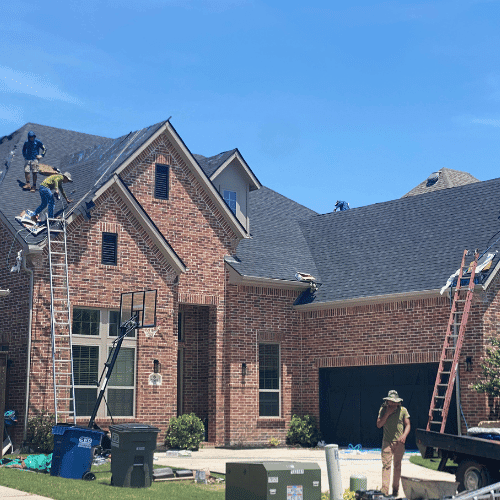
If your roof looks “mostly fine” but you keep noticing new spots, loose shingles, or damp areas after storms, you are not imagining it. This guide explains the roof inspection signs homeowners and business owners in Plano, TX can use to decide when it is time for a professional roof assessment, what to check first, and what to avoid before the problem spreads.
You notice a faint discoloration on the ceiling after a windy week, and the next time it rains, a small patch looks darker. You might also see a few shingle tabs lifting near the edge. You can’t tell if it is a one-time issue or a pattern that is slowly letting water in.
When roofs in Plano, TX are exposed to hail, wind, and heavy rain, small surface damage can become hidden moisture damage. This article will help you recognize common roof inspection signs, understand what they can mean, and choose the right next step for a practical customer checklist or a professional inspection.
Quick Answer
If you see recurring water staining, missing or curled shingles, damaged flashing around vents or chimneys, or roof edge problems after storms, plan for a professional roof inspection services visit. A good roof assessment focuses on both the visible surface and the areas that typically hide leaks, like flashing joints, roof penetrations, and drainage pathways. Your safest next step is to document what you are seeing (photos, dates) and contact a licensed roofing contractor in Plano, TX for a targeted inspection and clear repair or roof replacement options.
What to Check First
Before you schedule anything, do a quick, careful review of the most common leak paths. The goal is not to fix everything yourself. It is to identify whether you are dealing with a roof leak, storm damage roof repair, or a drainage issue that needs professional attention.
1) Interior clues
Look for new ceiling discoloration, bubbling paint, or damp drywall near attic access points. Note whether it appears after rain or wind.
2) Roof edge and corners
Check for lifted shingle tabs, exposed underlayment, or loose flashing at the eaves. Edge damage is often where water starts.
3) Penetrations and joints
Inspect around vents, pipes, and where the roof meets walls. Cracked sealant or warped flashing can let moisture in.
Professional observation: Many roof inspection “signs” are really drainage and flashing problems. If the water is getting in, it usually is not where you first notice the stain. A professional roof assessment traces the likely path from the roof surface to the interior.
Main Things Customers Should Understand
Not every visible issue means the same thing. Some signs point to a straightforward roof repair, while others suggest broader roof replacement needs. Here are the most practical indicators to pay attention to during a roof inspection.
Storm-related damage signs
After hail or wind events, watch for:
- Granule loss on shingles (dark, sandy patches in gutters or on the ground)
- Cracked, bruised, or missing shingle areas
- Loose flashing at roof edges or around penetrations
- Shingle lifting that exposes layers underneath
Leak indicators that often worsen over time
Some leak symptoms are easy to miss until they become costly:
- Ceiling or wall staining that grows in size or changes after rain
- Musty odors or persistent dampness in the attic or upper rooms
- Soft spots on drywall or peeling paint near roof lines
- Condensation patterns that show up repeatedly in the same area
Drainage and ventilation red flags
Flat roof repairs and sloped roof drainage issues can present differently, but the principle is the same: water must leave the roof efficiently. During a roof assessment, a contractor typically looks for:
- Pooling water on flat sections (if applicable)
- Clogged or overflowing gutters that redirect water onto fascia
- Improper roof vent installation leading to moisture buildup
- Roof flashing repair needs at transitions and edges
When water damage restoration becomes part of the plan
If you already have interior damage, roof work may need to be paired with water damage restoration. For example, once moisture reaches building materials, the cleanup and drying process matters. You can review water damage restoration services to understand how roof repairs and interior remediation are often coordinated.
What to do with the signs you see: If the issue appears after storms, prioritize a professional roof inspection services visit. If you see recurring interior staining, treat it as an active leak concern, not a cosmetic problem.
| What you notice | What it may indicate | Most practical next step |
|---|---|---|
| New ceiling or wall staining after rain | Possible roof leak or flashing seal failure | Schedule a professional roof assessment to trace the leak path |
| Missing, cracked, curled, or lifting shingles | Storm damage roof repair need or shingle roof repair issue | Request a targeted inspection, then compare repair vs. roof replacement options |
| Damaged flashing around vents, pipes, or chimney areas | Flashing repair need that can allow water intrusion | Get roof flashing repair evaluated before interior damage spreads |
| Water pooling or repeated damp areas on flat sections | Drainage or flat roof repair needs | Ask about flat roof installation or flat roof repair options after inspection |
| Signs of moisture after the roof is “fixed” once | Leak source may be elsewhere or not fully sealed | Re-inspection with clear documentation of what changed |
Why this matters in Plano, TX
In Plano, TX, roofs often face repeated cycles of wind, hail impacts, and heavy rain. That combination can cause small failures at flashing joints, shingle edges, and roof penetrations. A homeowner may see the aftermath inside the home, but the root cause is typically on the exterior surface where water first enters.
Sunshine Roofing regularly helps local property owners connect the dots between what they see outdoors and what shows up on ceilings or walls. If your property is in Plano, TX or surrounding areas, it is especially worth acting promptly when you notice new inspection signs, because timing affects how much water damage develops inside.
Get a practical roof assessment from Sunshine Roofing
If you are seeing recurring leak signs or storm-related roof damage, a professional inspection can help you decide on the right roofing solutions for your situation.
Call Sunshine RoofingPhone: (214) 532-8878
Common Mistakes to Avoid
These are the mistakes that most often lead to bigger problems, especially when homeowners in Plano, TX try to handle roof concerns without a full roof inspection services approach.
- Waiting for “perfect weather”: Many leak sources are active during normal rain. Delaying can allow moisture to move into insulation or drywall.
- Only fixing what is visible: A stain on the ceiling can be far from the entry point. Roof flashing repair and penetration sealing often need attention.
- Assuming gutters are the only cause: Clogged gutters can redirect water, but they do not explain shingle lifting, flashing failures, or storm damage.
- Using patchwork without a trace: Temporary fixes may slow leaks, but they do not always correct the underlying drainage or sealing problem.
- Ignoring flat roof drainage signals: If you have flat roof areas, pooling and recurring dampness should be evaluated for flat roof repair or flat roof installation needs.
Customer Checklist
Use this checklist before your call so you can describe the issue clearly during your roof assessment. If you can, take photos from the ground and note the dates.
- Write down when you first noticed the issue (and whether it followed hail, wind, or heavy rain)
- Check interior ceilings and walls for new staining, bubbling paint, or damp spots
- Look for shingle damage near roof edges, corners, and valleys
- Inspect visible flashing around vents, pipes, and chimney areas for gaps or lifting
- Check gutters and downspouts for overflow, clogs, or signs of redirected water
- Note any recurring odors or humidity in the attic or upper rooms
- If you have a flat roof section, look for signs of standing water or persistent dampness
Representative scenario
A Plano homeowner noticed a small dark patch on the bedroom ceiling after a storm. The roof edge looked “fine” from the yard, but a closer look inside the attic showed damp insulation near a vent penetration. The homeowner reported the timing clearly, and the roof assessment focused on the flashing seal and the penetration area rather than only the general roof surface. After addressing the roof leak source and coordinating interior drying, the staining stopped progressing.
Frequently Asked Questions
What are the most common roof inspection signs that mean a leak?
The most common signs include recurring ceiling or wall staining, peeling paint near roof lines, bubbling drywall, and dampness that returns after rain. Outdoors, look for damaged or lifting shingles, gaps in flashing around vents or chimneys, and edge issues that appear after hail or wind. Even if the roof looks mostly intact, interior symptoms usually indicate water found an entry point. A professional roof assessment helps trace the likely path so repairs address the source, not just the aftermath.
Should I schedule roof inspection services if I only see shingle damage?
Yes, especially if the shingle damage happened after hail, wind, or a heavy rain. Missing or curled shingles can expose underlayment and allow water to move under the surface layers. A roof inspection can determine whether the damage is localized enough for roof repair or whether wider replacement is the more reliable roofing solutions path. In Plano, TX, repeated weather cycles can turn small visible issues into ongoing leak concerns, so getting the assessment sooner rather than later is a practical move.
How do flashing problems show up during a roof assessment?
Flashing problems typically show up at roof penetrations and transitions, such as around vents, pipes, and chimney areas. During a professional roof assessment, the goal is to find gaps, lifted seams, cracks in sealant, or areas where water could slip behind the flashing. These issues can create leaks that appear elsewhere inside the home. If your inspection signs include stains in one room and you can see flashing concerns elsewhere, that mismatch is a strong reason to have a contractor trace the likely leak path.
When should I consider water damage restoration along with roof repair?
If you already have interior staining, damp insulation, or lingering moisture, roof repair may need to be paired with water damage restoration. The roof work stops the incoming water, but the affected materials still require cleanup, drying, and prevention steps to reduce ongoing moisture issues. Sunshine Roofing can help connect roof repairs with water damage restoration services, which is especially useful when leaks have been active long enough to affect building materials.
What is the difference between roof repair and roof replacement?
Roof repair generally targets specific issues, like shingle roof repair needs, roof flashing repair, or localized storm damage roof repair. Roof replacement is more appropriate when damage is more widespread or when multiple components show signs of failure. A roof assessment helps determine whether repairing the source will be durable or whether residential roof replacement or commercial roof replacement is the better long-term roofing solutions approach. The decision should be based on what the inspection finds, not just on how the roof looks from the ground.
Ready for a professional roof inspection in Plano, TX?
If your roof inspection signs are showing up after storms or you are seeing recurring interior moisture, Sunshine Roofing can help you evaluate roof repair vs. roof replacement options with a practical roof assessment.
Call (214) 532-8878