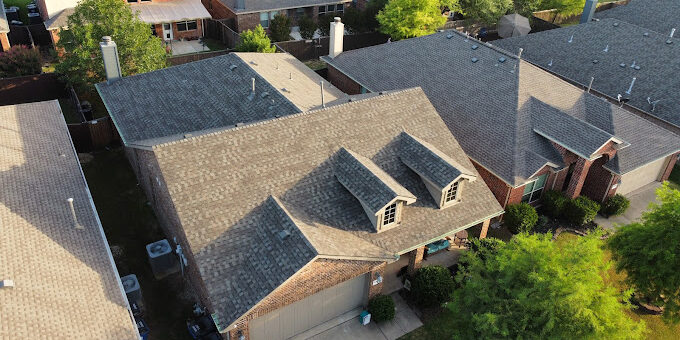
National roofing studies show that many asphalt shingle roofs in the U.S. are pushed 5–7 years beyond their ideal service life before being replaced. That means thousands of homeowners are living under roofs that are technically “expired” and increasingly vulnerable to leaks, wind damage, and even structural issues, often without realizing it. In a city like Plano, TX, where hailstorms, intense summer heat, and sudden downpours are part of life, waiting too long to replace a worn-out roof can turn a manageable project into an emergency.
Knowing when it is time for roof replacement is not always obvious. The shingles might still be attached, and water may not be literally pouring through the ceiling, but that does not mean your roof is performing as it should. A roof is a system: shingles, underlayment, flashing, decking, ventilation, and insulation all work together. When one part begins to fail, symptoms may appear in subtle ways long before a dramatic leak. Sunshine Roofing works with Plano homeowners every day who are surprised to learn that what looked like “a few bad shingles” is actually the visible tip of much larger age-related wear.
Understanding the signs that it is time for roof replacement – and not just another patch or quick repair – can save you money, protect your home’s structure, and improve comfort and energy efficiency. Instead of guessing, you can use a combination of visual clues, age, storm history, and professional evaluation to decide when a new roof is the smarter choice. Let’s break down how to recognize that turning point.
Age And Lifespan Benchmarks
Every roofing material has a realistic service life, and this is one of the simplest starting points. In Plano, the majority of homes have asphalt shingle roofs. Standard 3-tab shingles typically last around 15–20 years in ideal conditions, while higher-quality architectural or laminated shingles may last 20–30 years. However, “ideal conditions” rarely exist in North Texas. Hail, UV exposure, and extreme temperature swings can shorten that timeline by several years. If your roof is approaching or has passed its expected lifespan, it is wise to start planning for replacement, even if it looks “okay” from the ground.
Age matters because roofing materials do not fail overnight; they gradually lose protective granules, become brittle, and are less able to resist wind and hail. By the time you notice curling shingles or bare spots, the underlying wear has already been progressing for years. If your roof is 18–25 years old and you are beginning to see multiple minor issues, Sunshine Roofing will often recommend weighing the cost of ongoing repairs against the value of a full replacement. In many cases, you will spend less over the next decade by investing in a new roof now rather than repeatedly paying for spot fixes.
Homeowners who have purchased a resale home in Plano sometimes do not know the exact age of their roof. In that case, you can look for clues such as the style of shingle, the condition of flashing and vents, or any records from past repairs or insurance claims. A professional roofer can often estimate the age range by inspecting wear patterns. When there is uncertainty, it becomes even more important to pay attention to performance indicators like leaks, energy bills, and shingle condition.
Visible Signs You Should Not Ignore
While roof age sets the context, visible symptoms tell you how urgently you need to act. Start with the shingles themselves. Look for curling edges, cracked surfaces, missing shingles, or shingles that appear to be buckling. These are clear indications that the material has lost flexibility and is no longer sealing properly against wind-driven rain. In Plano’s frequent spring storms, compromised shingles are much more likely to be torn off or lifted, allowing water to penetrate the underlayment and decking.
Granule loss is another critical sign. Asphalt shingles are coated with tiny granules that protect them from UV rays and weathering. As shingles age, these granules wash off and accumulate in gutters or at the base of downspouts. If you clean your gutters and notice a sand-like buildup in significant quantity, that is a sign your shingles are wearing out. You may also see darker, bald patches on the roof where granules are missing. Once enough granules are gone, the shingles deteriorate rapidly, and roof replacement becomes the most sensible option.
Do not overlook the condition of flashing and roof penetrations. Flashing around chimneys, skylights, and vent pipes is designed to keep water out at vulnerable joints. If the metal is rusted, bent, or pulling away, or if you see cracked sealant, water can easily infiltrate beneath the roofing surface. Repeated small leaks at flashing points can rot the decking over time. When damage is widespread or combined with aged shingles, Sunshine Roofing will often recommend replacement over piecemeal repairs, especially when the underlying wood shows signs of softening or decay.
Interior Clues From Inside Your Home
Many homeowners focus only on the exterior, but your ceilings, walls, and attic often reveal early warnings that it is time to replace the roof. Water stains on ceilings or upper walls, even if they appear small or dry, indicate that moisture has already found its way past your roofing system. These stains can show up after heavy storms or may develop slowly over time. If you are seeing new spots or existing stains are spreading, it suggests that leaks are ongoing and the roof is no longer fully protecting your home.
In the attic, look for signs of moisture such as darkened wood, mold growth, damp insulation, or a musty smell. During or right after a rainstorm, you might even see active drips or damp areas on the underside of the roof decking. Plano’s humid summer conditions can accelerate mold growth where moisture is present, which can affect indoor air quality and the structural integrity of wood members. When multiple areas of the attic show water intrusion, it is usually more cost-effective to replace the roof rather than chase each leak individually.
Another interior clue is temperature inconsistency. If the upper floors of your Plano home are significantly hotter in summer or colder in winter compared to the rest of the house, your roof and attic ventilation may be part of the problem. An aging roof system often comes with outdated or blocked ventilation, allowing heat to build up in the attic. This stresses your shingles from the underside and can shorten their life, while also driving up energy bills. A roof replacement gives Sunshine Roofing the chance to improve ventilation and insulation, which can noticeably enhance comfort and efficiency.
Storm Damage And Plano’s Climate
Plano residents are no strangers to severe weather. Hailstorms, high winds, and sudden cold snaps are common, and each event can take a toll on your roof. Hail, in particular, may not always punch obvious holes in shingles, but it can bruise and fracture the asphalt, knocking off protective granules and creating micro-cracks. Over time, these hail impacts weaken the shingle, making it more likely to fail prematurely. If your neighborhood has experienced a significant hailstorm, it is wise to have your roof inspected even if you cannot see damage from the ground.
Wind is another enemy of aging roofs. As shingles lose flexibility and adhesive strength, strong gusts can lift their edges, break the seal between courses, or completely tear shingles off. Once the wind has a starting point, it can peel back larger sections of roofing. Plano’s spring and fall storms often produce the kind of gusty winds that expose any weakness in an older roof. If you notice shingles in your yard, flapping edges, or uneven lines on the roof surface, it may be a sign that replacement is approaching rather than just simple repair.
Sun and heat also play a major role in North Texas roof aging. Prolonged exposure to intense UV rays can dry out asphalt and cause it to become brittle and cracked. Dark-colored roofs absorb even more heat, causing attic temperatures to soar and further stressing the materials. Over many summers, this cycle accelerates the natural aging process. Sunshine Roofing often finds that roofs in Plano reach the end of their practical life a few years earlier than the manufacturer’s theoretical maximum because of this harsh climate. When climate-driven wear is combined with storm damage, the case for full roof replacement becomes much stronger.
Repair Versus Full Replacement
One of the most common questions homeowners ask is whether they can get by with another repair instead of a full roof replacement. In some cases, especially with relatively young roofs that have isolated issues, repairs are perfectly reasonable. Replacing a small section of shingles damaged by a fallen limb or resealing flashing around a vent can extend the life of a roof that is otherwise in good shape. However, when problems are widespread or recurring, repairs may become a short-term bandage rather than a long-term solution.
Consider the pattern and frequency of issues. If you have called for roof repairs multiple times over the past few years, or if leaks keep appearing in different locations, it suggests systemic aging rather than isolated damage. Each new repair visit in Plano carries a cost, and there is also the risk that small leaks between repair visits are causing hidden damage to insulation, drywall, and framing. At a certain point, the cumulative expense and risk outweigh the investment in a properly installed new roof.
Another factor is aesthetics and home value. A patchwork roof with mismatched shingles or visible repair areas can detract from curb appeal. For homeowners considering selling within the next few years, a new roof is often a strong selling point and can help a home stand out in the Plano real estate market. Sunshine Roofing can help you compare the cost of a full replacement versus the likely ongoing repair needs over the next five to ten years, allowing you to make a financially informed decision rather than guessing.
Working With A Local Roofing Expert
Determining whether it is time for roof replacement is easier and more accurate with a professional assessment. An experienced local roofer understands how Plano’s weather affects roofs over time and knows what hail and wind damage look like up close. During an inspection, Sunshine Roofing will examine shingles, flashing, valleys, vents, and the condition of the decking from both the exterior and, when possible, the attic. This detailed look often reveals issues that are not visible from the ground, such as soft spots in the decking or subtle hail bruising.
A trustworthy contractor will not automatically push for replacement; instead, they will explain what they see, show you photos, and discuss options. Sometimes, a homeowner may have several good years left with targeted repairs, especially if the roof is relatively young. Other times, the inspection reveals extensive aging, hidden water damage, or storm impact that makes replacement the safer and more economical choice. This transparency allows you to plan your budget and timing, rather than being surprised by a sudden failure.
Choosing a local, established roofer also matters for warranty support and follow-up service. Plano homeowners benefit from working with a company that knows local building codes, HOA expectations, and common insurance practices after hailstorms. Sunshine Roofing can assist with documentation for insurance claims when storm damage contributes to the need for replacement. Partnering with a professional who understands both the technical and practical sides of roof replacement helps ensure that when it is time, the process is smooth, code-compliant, and tailored to your home’s needs.
Frequently Asked Questions
How do I know if my roof really needs replacement and not just repair? The decision comes down to age, extent of damage, and pattern of problems. If your roof is nearing or past its expected lifespan, has widespread shingle wear, granule loss, or multiple leak points, replacement is usually the smarter long-term choice. A professional inspection from a Plano roofing expert can identify whether issues are isolated or systemic. When problems keep recurring or affect large areas, continuing to repair can cost more over time than installing a new roof.
What is the typical lifespan of a roof in Plano, TX? For most asphalt shingle roofs in Plano, realistic lifespans range from about 15–20 years for basic 3-tab shingles to 20–25 years for higher-grade architectural shingles, depending on maintenance and storm exposure. Our intense sun, heat, and periodic hailstorms can shorten manufacturer-stated lifespans. If your roof is approaching these age ranges, especially if it has weathered several major storms, it is wise to schedule an inspection to evaluate whether replacement planning should begin.
Can storm damage force an earlier roof replacement? Yes. Hail and high winds frequently accelerate the need for roof replacement in North Texas. Even if shingles are not visibly shredded, hail can bruise and crack them, while wind can break seals and lift edges. Over time, this damage leads to leaks and faster aging. After a significant storm in Plano, having your roof inspected can reveal whether the damage is minor and repairable or serious enough that replacement is recommended, often with help from insurance depending on your policy.
Are there benefits to replacing my roof before it starts leaking badly? Proactive replacement has several advantages. You avoid emergency situations where leaks damage ceilings, walls, and belongings. You can choose timing that fits your schedule and budget, rather than reacting to a crisis. A planned replacement also allows you to upgrade ventilation, underlayment, and even shingle type for better energy efficiency and storm resistance. Many homeowners in Plano see improved comfort and lower energy bills after a well-designed roof replacement.
How do I choose the right contractor for roof replacement? Look for a local roofer with strong references in Plano, clear communication, and proper licensing and insurance. Ask for photos of past projects, details about the materials they recommend, and how they handle warranties and cleanup. A reliable contractor will inspect your roof thoroughly, explain their findings, and provide a written estimate without pressure. Sunshine Roofing is proud to serve Plano homeowners with experienced crews and quality materials; if you are ready to explore your options, reach out to Trusted roofing contractors for guidance on whether it is time for a new roof.