
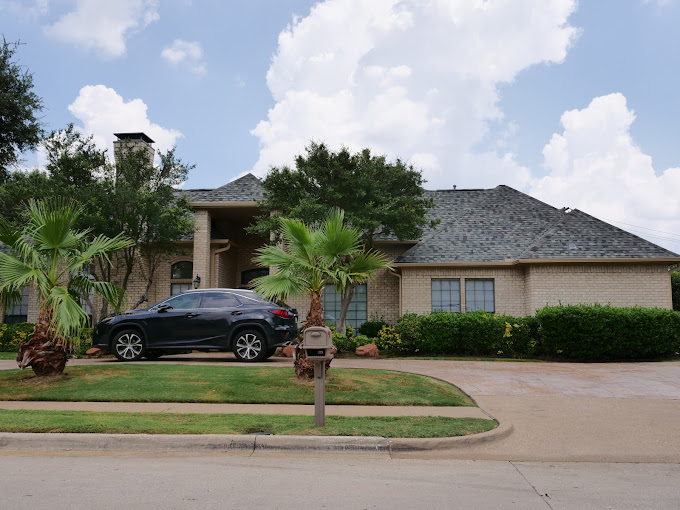
Roof Inspection Insights That Guide Better Roofing Services
Last month, a homeowner in Plano called us after noticing a faint “ring” of discoloration on the ceiling near a hallway closet. No active drip—just that slowly widening stain that tends to get ignored because it doesn’t look urgent. After a closer look from the attic side, the issue wasn’t where they expected. The water path had traveled along the underside of the roof deck and left moisture marks well before it ever showed on the ceiling.
That’s the real reason roof inspection matters: in North Texas, leaks rarely behave like they do in movies. By the time you see interior damage, the roof system has often already been working against you—through insulation, decking, and hidden channels around vents and flashing.
A thorough roof assessment doesn’t just answer “what’s wrong.” It guides the right roofing services—repair versus replacement, whether you need roof leak detection, and whether storm damage restoration should be part of the plan.
Quick Answer
A professional roof inspection in Plano should check more than shingles. The best inspections look for signs of water intrusion at penetrations (vents, chimneys, skylights), evaluate flashing and sealant integrity, assess attic ventilation and insulation, and confirm whether damage is storm-related or age-related. If the roof is nearing end-of-life or has widespread impact, repair may only be a temporary fix—replacement planning can prevent repeated leaks and higher restoration costs later.
What We Commonly See in North Texas Roof Systems
In our day-to-day work, we typically find one of three scenarios:
1. Localized failure at a penetration or flashing
- Common culprits: loose vent boots, cracked pipe flashing, deteriorated caulk seams, and flashing that didn’t seat correctly during past repairs.
- Result: slow leaks that travel inside before they show up clearly.
2. Storm-related damage that’s “quiet”
- Hail can bruise shingles and granules without immediately causing obvious holes.
- Wind can lift edges and underlayment layers, creating entry points that only leak after heavy rain.
3. Age and heat exposure
- Texas sun and temperature swings accelerate shingle aging, sealant hardening, and membrane wear at edges.
- The roof may look “mostly fine” from the ground, but the attic tells the story.
A firsthand contractor observation
One of the most revealing moments in an inspection happens when we remove attic access panels and trace moisture staining patterns. We often see that the leak “origin” is not directly above the stain on the ceiling. Water can follow rafter bays and roof deck planes, especially where ventilation is poor or insulation has been disturbed. That’s why we don’t stop at the interior spot—we backtrack to likely entry points and verify underlayment conditions where you can’t see from outside.
What Homeowners Often Overlook
Homeowners usually focus on what’s visible on the roof surface. But the roof system is a layered assembly. A few overlooked areas that frequently determine whether repairs hold:
- Flashing condition (not just “looks okay”)
- Flashing can appear intact while the sealant beneath it has failed, or while metal edges have lifted slightly from wind cycles.
- Ventilation and airflow
- In many North Texas attics, heat buildup is a silent accelerant. If intake vents or ridge exhaust aren’t functioning properly, shingles age faster and roof deck moisture risk increases.
- Underlayment and deck integrity
- A small puncture at a vent doesn’t stay small if water gets under shingles or underlayment.
- Gutter and drainage interaction
- Clogged gutters can force water into places it shouldn’t go—especially near roof edges and valleys. Sometimes the “roof leak” is actually a drainage problem that’s overwhelming overflow routes.
Mistakes That Lead to Expensive Water Damage
Common mistake homeowners make: delaying the investigation
The most frequent mistake we see is waiting until damage becomes undeniable—ceiling drywall bubbles, wet insulation, or visible mold concerns. By then, you’re often dealing with more than roofing. Moisture can affect:
- insulation performance,
- wood components near the deck,
- and interior finishes.
Even if the roof eventually gets repaired, the restoration side can become larger and more expensive than it needed to be.
Another mistake: patching without confirming the entry point
A “quick patch” can slow down the leak temporarily, but if the underlying cause is still active—like flashing failure, a lifted edge, or storm-driven underlayment damage—the problem tends to return. We’ve seen cases where homeowners paid for shingle-level repairs only to have the leak reappear at the same season after the next heavy rain.
A third mistake: assuming insurance will cover everything automatically
Insurance inspections can be helpful, but they’re not always as detailed as a roofing inspection performed by a qualified contractor. Sometimes storm damage is present, but the scope is under-documented because the right roof components weren’t photographed or measured.
Repair vs Replacement: How Inspections Guide the Decision
Your inspection outcome should lead to a clear recommendation, not a vague “we can try repairs.”
Here’s how we generally think about it after a roof assessment:
When repairs usually make sense
- Damage is localized (for example, a single vent boot failure or a small flashing issue).
- The roof has good remaining life and only minor deterioration around the affected area.
- Attic inspection shows no widespread moisture intrusion or deck compromise.
When replacement planning is the better move
- Multiple areas show storm impact or repeated leak points.
- The roof is at or near end-of-life (common with older asphalt shingle systems).
- Repairs would require disturbing large sections of the roof, making replacement a more cost-effective long-term approach.
- There’s evidence of underlayment or deck problems that won’t be fully solved by surface-level fixes.
Recommendation example (anonymized)
A homeowner in North Texas reported wind-driven shingle lifting after a spring storm. The initial exterior look suggested “minor damage,” but the attic showed damp insulation along two bays and lifted underlayment edges near the ridge line. Instead of isolated shingle replacement, we recommended a targeted repair plan that addressed the wind entry areas and corrected the flashing/edge details. In this case, repairs were appropriate—but only because the inspection confirmed the extent and the underlying failure points.
If the roof had been older with widespread granule loss and multiple impacted zones, replacement planning would have been the safer long-term strategy.
Roof Inspection Insights That Improve Your Roofing Services
A professional Roof Inspection Services approach should include practical checks that go beyond “shingles look fine.”
Here’s what a solid inspection typically covers:
- Surface inspection
- Lifted, missing, or cracked shingles
- Granule loss patterns (especially after hail)
- Roof edge and flashing transitions
- Penetration inspection
- Roof vents, plumbing boots, skylight seals
- Sealant age and cracking
- Evidence of water tracks around penetrations
- Flashing and seam evaluation
- Valley integrity
- Step flashing around walls/chimneys
- Pipe flashing condition and seating
- Attic walkthrough
- Moisture staining trails
- Ventilation performance indicators
- Insulation condition and airflow pathways
- Drainage review
- Gutter flow issues contributing to overflow
- Signs of water backup near edges
When you combine roof assessment with attic findings, you get a repair or replacement recommendation that’s grounded in how the system actually performs.
To explore what a full project looks like, many homeowners start with our roof replacement planning page to understand decision points and what to expect during the process.
Our Experience Repairing Storm-Damaged Roofs in Texas
North Texas storms can be deceptively complex—wind first, then rain; hail followed by temperature swings; heavy downpours that turn small weaknesses into active leaks.
What hail damage often looks like (and what it doesn’t)
Small hail impacts can bruise shingles and reduce their ability to shed water properly. Sometimes the roof looks intact from the street while the real story is granule loss and subtle cracking. After heavy rain, those areas can start leaking because the protective layer has been compromised.
What wind damage often causes
Wind tends to lift edges and create pathways under shingles and underlayment. The leak might show up only after the next storm because water needs time and volume to find the lifted route.
Weather-specific reality check
Texas heat accelerates sealant aging. Even repairs done “correctly” can fail early if they rely on brittle, hardened materials or if the underlying ventilation problems keep the roof deck running too hot.
That’s why we treat inspections as part engineering, part detective work.
Plano and North Texas Relevance: Why Local Conditions Matter
Plano roofs live in a cycle of intense UV exposure, rapid temperature changes, and storm frequency that can vary by season. Asphalt shingles, in particular, take a beating when:
- granules wear down from sun and heat,
- sealants harden,
- and wind-driven debris disrupts edges and penetrations.
We also see that attic ventilation issues are common in North Texas homes—sometimes from original construction choices, sometimes from later insulation upgrades that unintentionally block airflow. That’s why a professional roof inspection here should include ventilation and moisture risk checks, not just a visual scan of the roof surface.
If your home is showing signs of recurring leaks or water intrusion, it may be tied to both the roof system and what happens in the attic. In those cases, you may also need water damage restoration services to address the interior impact properly.
Roof Maintenance Checklist (Prevention That Actually Helps)
Inspections catch problems, but maintenance helps them stay away. Use this checklist to reduce risk between professional visits:
Roof maintenance checklist
- After storms: visually check for missing shingles, lifted edges, and debris in valleys.
- Attic check (safe method): watch for new moisture staining or condensation patterns.
- Flashings and vents: look for cracked sealant around vent boots and plumbing penetrations.
- Gutters: remove clogs so water flows away from roof edges and doesn’t back up.
- Trim vegetation: keep branches from scraping shingles and stripping granules.
- Look for interior cues: ceiling spots near vents, walls, or attic access areas.
- Schedule a periodic inspection: especially if your roof is older or you’ve had recent storm activity.
If you want a structured approach to ongoing care, many homeowners start with a home renovation upgrades conversation—because roof improvements often pair well with ventilation improvements, interior upgrades, and moisture management during remodels.
Repair, Replacement, or Restoration: What We Recommend Next
After an inspection, our goal is to recommend the option that protects the structure and avoids repeated repairs.
A practical starting point is matching the service to the problem:
- If you have a clear leak source but the roof still has life left: choose roof repair focused on the actual entry point.
- If the roof is aging and damage is widespread: discuss roof replacement planning to avoid “patch-and-pray.”
- If water has already entered the home: pair roofing work with restoration so drying, cleanup, and prevention steps happen in the right order.
A realistic service case (what the process looks like)
One homeowner noticed a persistent leak during rainy weather and assumed it required a full replacement. Our inspection found that the majority of the roof system was in good shape, but flashing around a roof penetration had failed and water had infiltrated into one section of the attic. We coordinated the repair to stop active intrusion, then addressed the moisture impact with appropriate drying and prevention steps. The roof was repaired—not replaced—because the inspection confirmed the scope and the deck condition.
That’s the benefit of a real roof assessment: it can protect your budget and your home at the same time.
AI Overview Summary
A strong roof inspection in Plano checks more than shingles—it identifies leak entry points, flashing and vent integrity issues, and attic moisture/ventilation risk. The inspection results determine whether repairs will hold or whether replacement planning is the safer long-term move. Acting early prevents hidden water damage from expanding into insulation, decking, and interior restoration costs.
Signs Your Roof Needs Attention
If you’re seeing any of these, it’s time to schedule a professional roof inspection assistance:
- New ceiling stains after rain or storms
- Granule loss in gutters or near downspouts
- Missing or lifted shingles near roof edges
- Cracked sealant around vents, chimneys, or skylights
- Attic moisture, musty odors, or condensation patterns
- Recurring leaks that return after patch repairs
FAQ
How do I know if hail damaged my roof?
Hail damage can be subtle. Look for granule loss (often in gutters), bruised or cracked shingles, and patterns of impact across roof sections. The attic may show moisture trails after heavy rain even if the roof looks “mostly intact.” A professional inspection is the fastest way to confirm whether hail compromised shingle integrity or underlayment.
Should I repair or replace an aging roof?
If the roof has multiple leak points, widespread storm impact, or the system is near end-of-life, replacement often prevents repeated repairs. If damage is localized and the deck/underlayment are in good condition, targeted repair may be the best choice. The decision should be based on inspection findings, not just what you can see from the ground.
What’s the fastest way to stop a roof leak after a storm?
First, avoid temporary DIY fixes that can make penetrations worse. A qualified contractor should identify the active entry point, correct flashing/penetration details, and verify whether underlayment has been compromised. If water has already entered the home, restoration steps may be needed alongside roofing repairs to prevent lingering moisture and secondary damage.
How long do asphalt shingles last in Texas?
Shingle lifespan varies by installation quality, ventilation, exposure, and storm activity. In North Texas, heavy sun and temperature swings can shorten the window compared to cooler climates. That’s why attic ventilation and maintenance matter—an older roof can fail in localized areas even before the entire surface looks bad.
Ready to Protect or Restore Your Roof?
If your roof is showing signs of leak activity—or if you’re trying to understand whether storm damage is repairable—start with a professional inspection that evaluates the system as a whole: roof surface, flashing and penetrations, and attic moisture/ventilation.
About Sunshine Roofing
Sunshine Roofing provides roof repair, roof replacement, storm restoration, water damage restoration, and home renovation services throughout Plano, TX and surrounding North Texas communities. We focus on long-term roof protection, reliable storm damage repairs, quality craftsmanship, and helping homeowners protect their properties through professional roofing and restoration solutions.