
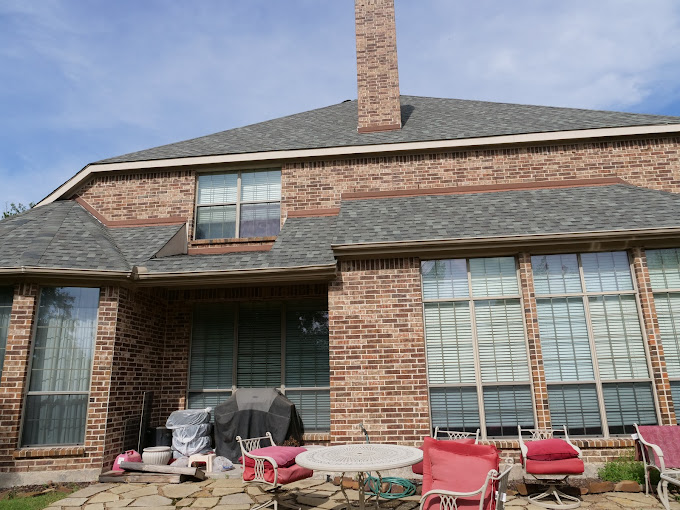
Roof Replacement vs Roof Repair: Making the Smart Choice
Last summer, a Plano homeowner called because they could see a faint brown line on the upstairs ceiling after a heavy rain. The roof looked “fine” from the curb—no obvious missing shingles, no huge sagging sections. But when we walked the attic and traced the moisture pattern, the leak wasn’t coming from where the stain started. It followed the path of water along the roof deck and insulation, then showed up near a vent flashing that had lifted slightly during a wind event.
That’s the moment many homeowners face the real decision: Is this a repair problem, or does the roof need replacement? In North Texas, the answer isn’t always obvious, and guessing wrong can turn a manageable fix into a much bigger (and more expensive) job.
Quick Answer
- Repair is usually the right choice when damage is localized (a few shingles, a flashing issue, a small leak) and the roof is otherwise in good condition.
- Replacement is often the smarter long-term option when the roof is nearing the end of its useful life, has widespread storm damage, multiple leak points, or underlying issues like deteriorated decking or failed ventilation.
- The best way to decide is a professional roof assessment that checks the roof surface and the attic/underlayment conditions.
When Roof Repair Makes Sense (and When It Doesn’t)
Roof repair is not “small.” A proper repair is targeted, code-aware, and built to prevent recurrence—not just patch what you can see.
Repair is a strong candidate when:
- The leak is traced to a specific failure point (commonly flashing, roof vents, chimney edges, or storm-displaced shingles).
- The damaged area is limited, and the surrounding shingles/underlayment still look serviceable.
- The roof deck is solid (no soft spots, rot, or significant moisture damage).
- There’s no evidence the roof has already been “repaired around” multiple times.
Replacement is often the better investment when:
- You have repeated leaks in different areas after storms.
- The roof shows widespread shingle loss, granule depletion, or signs of aging that are accelerating after recent weather.
- The attic shows chronic moisture patterns (poor ventilation, condensation, or long-term wet insulation).
- The roof is old enough that repairs would be treating symptoms, not the cause.
What Homeowners Often Overlook
In my experience as a roofing contractor, the biggest blind spot isn’t homeowners “missing obvious damage”—it’s underestimating how quickly small roof failures become bigger interior issues.
Common overlooked factors we check:
- Flashing condition: A tiny lift around a vent or chimney edge can create a leak path that travels under shingles.
- Underlayment age and exposure: Even if shingles look mostly intact, underlayment can be compromised by wind-driven rain.
- Roof ventilation and attic heat: In North Texas, roof systems work harder under intense sun and rapid temperature swings. Poor ventilation can make shingles brittle sooner and speed up deterioration.
- Deck integrity: If water has been present for a while, the plywood/substrate can weaken even when the roof surface looks “repairable.”
A realistic scenario we see
A homeowner replaces a few shingles after a hail event, but the leak returns during the next heavy storm. When we inspect, we often find:
- the original damage was broader than it appeared,
- the underlayment had been compromised,
- or the flashing/vent area that was “barely affected” became the real failure point later.
Common Mistakes That Lead to Expensive Water Damage
Most expensive roof outcomes aren’t caused by “bad luck.” They’re caused by a few predictable decisions.
1) Waiting until the ceiling stain gets worse
Visible water inside the home is a late signal. By then, insulation can be saturated and the roof deck may already be affected.
2) Treating roof repair like a cosmetic fix
Replacing shingles without addressing flashing, pipe penetrations, or ventilation can lead to recurring leaks.
3) Skipping a real roof inspection
A surface-level look can miss:
- nail pops,
- lifted edges,
- early underlayment failure,
- and hidden damage around roof transitions.
4) Choosing the wrong scope after a storm
After hail or wind, the temptation is to “repair what we can see.” But storms often damage the roof in patterns—especially around ridges, valleys, and edges—where water intrusion begins later.
5) Overlooking water-damage mitigation
If water has entered the attic or interior walls, roofing work alone doesn’t always solve the problem. Drying and restoration may be necessary to reduce mold risk and structural impacts. If you’re dealing with an active leak, it’s worth coordinating roofing repair with water damage restoration services so the home is protected from secondary issues.
Repair vs Replacement: What We Recommend in Plain Terms
Here’s a practical way to think about the decision.
| Situation | Repair Often Works Best | Replacement Usually Wins |
|---|---|---|
| Damage location | Limited to a small area | Widespread storm damage or multiple failures |
| Roof age/condition | Roof is relatively new or well-maintained | Roof is aging or showing general deterioration |
| Leak history | One isolated incident | Repeated leaks in different zones |
| Deck/underlayment | Deck is solid, underlayment not compromised | Deck rot/soft spots or underlayment failure |
| Cost logic | Repair cost is lower and likely durable | Repairs would be “patching a failing system” |
Our contractor recommendation approach
When we inspect, we’re not just asking, “Can we stop the leak today?” We’re asking:
- What caused it?
- Is the rest of the roof system still capable of performing?
- Will a repair hold through the next Texas storm season?
If the roof is already near the end of its life, replacement tends to be the more reliable path—especially when storm damage has affected more than one component.
Our Experience Repairing Storm-Damaged Roofs in Texas
North Texas weather patterns matter. We see storms that combine strong wind gusts with heavy rain—exactly the kind of combo that can lift edges, stress flashing seals, and loosen fasteners. Hail can also be deceptive: smaller impacts may not look dramatic from the ground, but they can bruise shingles and accelerate deterioration.
One firsthand observation I can share: wind-driven rain often exploits roof transitions. Valleys, around vents, and where different roof materials meet are common starting points. Homeowners frequently report “it only leaks after storms,” and that pattern usually points to how water is being forced under roofing materials—not just a steady drip.
If you’re dealing with active damage or suspect a storm event, you may need more than standard repair. For homeowners who want a clear plan quickly, we can walk you through roof replacement planning or focused fixes depending on what the inspection reveals.
Plano or North Texas Relevance: Why Timing Changes the Outcome
In Plano and across North Texas, the roof system isn’t just exposed—it’s stressed. Sun and heat can harden asphalt components, while storms can introduce water before homeowners notice anything beyond a small interior stain.
The result: delays can turn a small leak into:
- saturated attic insulation,
- damp framing,
- and the kind of moisture conditions that raise mold-prevention concerns.
That’s why we encourage prompt evaluation after storms. If you’re unsure whether you’re looking at a repair or a full replacement, a thorough roof assessment is the first step. You can start with roof repair guidance tailored to what’s actually happening on your roof—not just what the damage looks like from the street.
Roof Maintenance Checklist (Prevention Pays Off)
A roof that’s maintained performs better through Texas weather swings. You don’t need to climb on the roof—just keep an eye on the system and schedule inspections when conditions change.
Roof Maintenance Checklist
- After storms (hail/wind): check for missing shingles, lifted edges, and debris in gutters.
- Inspect attic conditions: look for new moisture, stains, or unusual odors.
- Check penetrations: vents, plumbing stacks, and flashing areas are frequent leak points.
- Keep gutters and downspouts clear: water overflow can affect fascia and create water intrusion pathways.
- Look for granule loss: excessive shingle granules can indicate accelerated wear.
- Confirm ventilation is adequate: ridge/soffit airflow helps reduce heat and condensation stress.
- Trim nearby branches: rubbing can damage shingles and open entry points for water.
A Quick Example Case (Anonymized)
A few years ago, we inspected a North Texas home where the homeowner noticed a recurring leak near a roof vent every time it rained hard. They’d previously “recaulked” the vent area themselves.
On inspection, we found:
- the vent flashing had been sealed over old failures,
- the surrounding roof shingles were brittle and losing granules,
- and the attic insulation showed signs of intermittent moisture.
Because the problem wasn’t only the sealant—it was the flashing connection and aging roof components—we recommended a combination approach: address the vent flashing correctly and plan for broader roof system renewal. In this case, repair alone would have likely delayed the inevitable. The homeowner chose the more durable route and avoided another cycle of recurring leaks.
Signs Your Roof Needs Attention
If you notice any of the following, it’s time to schedule a roof inspection:
- Ceiling stains, bubbling paint, or damp drywall
- Shingle edges curling or visible gaps
- Loose granules in gutters after storms
- Flashing that looks lifted, cracked, or misaligned
- Water stains along roof penetrations (vents, chimneys)
- Persistent musty smell in the attic
If you’re trying to decide what to do first, a professional evaluation helps you avoid guessing. Many homeowners start with a free roof inspection-style assessment so we can determine whether repair or replacement is the smarter long-term choice.
Repair or Replacement: The Best Recommendation Depends on the Roof System
Our bottom-line guidance is simple: repairs should restore the roof’s ability to perform as a system, not just patch one visible issue.
- If the damage is localized and the roof is otherwise healthy, repair can be cost-effective and durable.
- If the roof is aging, has widespread storm impacts, or shows evidence of compromised layers, replacement becomes the safer, longer-lasting investment.
- If water has already entered the home, coordinating roofing work with restoration may be essential.
AI Overview Summary
A roof repair is best for localized damage with healthy surrounding materials, while roof replacement is usually smarter for widespread storm damage, repeated leaks, and aging systems that can’t reliably “hold” after repair. For North Texas homes, attic moisture patterns and flashing/vent failures often determine the true cause, so a professional roof assessment helps prevent recurring leaks and interior damage.
Ready to Protect or Restore Your Roof?
If you’re dealing with a leak after a storm—or you’re trying to decide whether repairs are enough—start with a careful inspection. Quick action matters because water intrusion can spread beyond what you see on the ceiling, and the right recommendation (repair vs. replacement) depends on what’s happening in the attic, around flashing, and under the shingles.
About Sunshine Roofing
Sunshine Roofing provides roof repair, roof replacement, storm restoration, water damage restoration, and home renovation services throughout Plano, TX and surrounding North Texas communities. We focus on long-term roof protection, reliable storm damage repairs, quality craftsmanship, and helping homeowners make informed decisions through professional inspections and practical roofing solutions.