
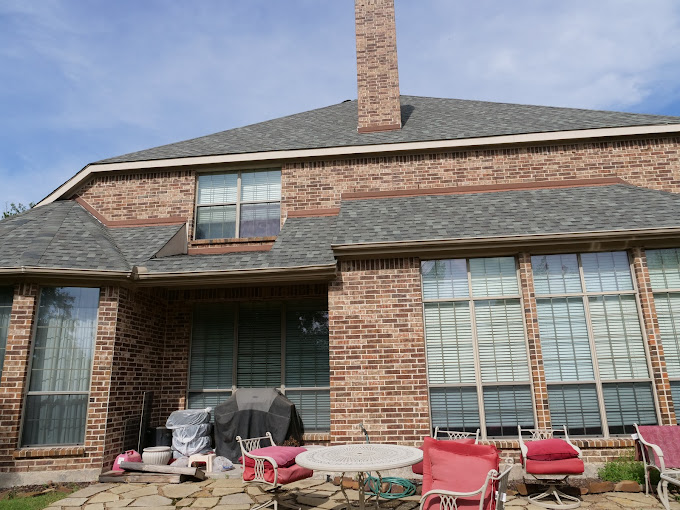
Durable Roofing Services Backed by Skilled Roof Repair
A few weeks after a North Texas storm, a Plano homeowner called us because they noticed a faint brown line on the ceiling right under the upstairs bathroom. No active dripping—just a slow, spreading discoloration that looked “like water stains,” but the leak source wasn’t obvious. When we walked the attic, we found damp insulation near the roof vent area and a small tear in the underlayment that had allowed water to wick sideways. By the time stains show up inside, the real damage is often happening above the drywall, hidden from view.
That’s why durable roofing services matter—not just to stop the visible leak, but to repair the roof system correctly so the problem doesn’t return. With North Texas heat, wind, and hail cycling through the year, small roof failures can turn into expensive interior repairs fast.
Quick Answer
If your roof is leaking after a storm or you’re seeing signs like ceiling stains, wet insulation, or missing shingles, you usually need a professional roof inspection to locate the intrusion point. Many roof repairs are straightforward when caught early—especially fixing flashing, underlayment, and damaged shingles. However, if the roof is aged, has widespread hail damage, or the decking/ventilation is compromised, roof replacement may be the more cost-effective, long-term option.
What Homeowners Often Overlook
Most homeowners start looking for a “big hole” because that’s what leaks look like in movies. In real roof systems—especially asphalt shingle roofs—water often enters through places that don’t look dramatic:
- Flashing edges lifting slightly around chimneys, vents, or wall transitions
- Underlayment tears that let water travel laterally before it finds the lowest point
- Shingle granule loss that doesn’t look like hail impact until you see it up close
- Vent boot failures (the rubberized boot around plumbing vents) that crack in UV exposure
- Condensation trapped by poor attic ventilation, which can mimic leak symptoms
Common Mistakes That Lead to Expensive Water Damage
We’ve seen the same patterns across many Texas homes—usually after the homeowner already tried “a quick fix.”
1) Waiting until the leak gets worse
Ceiling stains can start as small discoloration, but moisture can spread through insulation and affect decking. In the attic, water can travel along rafters and down chase spaces. By the time you see active dripping, the interior work becomes more complicated.
2) Using mismatched patchwork materials
A common scenario: a homeowner applies a temporary roof patch that seals the surface but doesn’t address the underlayment layer or flashing detail underneath. The patch may hold for a while, then fail when wind-driven rain finds the next weak point.
3) Ignoring roof penetrations and flashing
Most “mystery leaks” trace back to flashing and penetration components—not the broad middle of the roof. Wind can lift shingles just enough for water to get under them, then flashing prevents (or fails to prevent) water from bypassing the roof layers.
4) Focusing on the inside, not the roof system
If you only inspect the attic from the floor, you might miss how water is arriving. A proper inspection includes checking:
- shingle condition and fasteners
- flashing edges and sealant breaks
- vent boots and pipe penetrations
- underlayment exposure points
- airflow/ventilation patterns
5) Delaying repairs after storm season
North Texas weather is tough on roofing. Even if damage looks minor, UV exposure and temperature swings can widen the failure over time.
Our Experience Repairing Storm-Damaged Roofs in Texas
In one anonymized case, we inspected a Plano-area home after hail reports in the neighborhood. The homeowner said, “We don’t see any missing shingles, so it can’t be that bad.” But when we inspected the roof up close, we found subtle hail bruising and granule loss on multiple planes, plus a couple of loosened ridge cap shingles. The attic inspection showed damp spots around the upper ventilation area—water had entered through compromised top-layer shingles and moved under the underlayment during wind-driven rain.
That’s a typical pattern we see: storm damage doesn’t always announce itself with obvious holes. The roof can look “mostly fine” while its layered protection is already compromised.
For homeowners comparing options, the long-term goal should be the same: restore the roof layers to function together—shingles, underlayment, flashing, ventilation, and drainage.
Repair vs Replacement: What Usually Makes the Decision Clear
Here’s a practical way to think about it. Roof repair is often the right move when damage is localized and the rest of the roof system remains sound. Replacement is usually the better investment when the roof is broadly damaged or nearing end-of-life.
| Situation | Often Best Option | Why |
|---|---|---|
| One vent area leak, localized flashing failure, or a small underlayment tear | Roof repair | Targets the entry point and restores layered protection |
| Hail damage in multiple sections, widespread shingle bruising, or repeated leak sites | Roof replacement | Repairs can become a “patch cycle” when damage is systemic |
| Visible sagging, damaged decking, or persistent moisture | Roof replacement (plus restoration as needed) | Structural integrity and full drying matter |
| Roof is old and brittle, with frequent issues after storms | Replacement | Underlayment and components may already be deteriorating |
| Minor issues found early (loose shingles, flashing touch-ups) | Targeted repair | Faster, less invasive, and often cost-effective |
If you’re weighing whether to repair or replace, start with a roof assessment—not a guess. We’ll help you understand what’s repairable, what needs correction, and what’s likely to fail next.
A note on “roof replacement cost”
Costs vary based on roof size, materials, ventilation needs, decking condition, and whether water damage restoration is required. We focus on the full scope of protection so you’re not paying for repairs that don’t address the root cause.
What We Commonly See in North Texas Roof Systems
North Texas roofing failures often come from the combination of:
- Strong winds that lift shingles at edges and around penetrations
- Hail impacts that may not remove shingles but can damage the surface layer and water-shedding ability
- Texas heat and UV exposure, which accelerate aging of sealants and vent boots
- Rapid temperature swings, stressing roofing components over time
- Attic ventilation problems, which can contribute to premature wear and moisture buildup
One firsthand observation from our crews: many roofs that “look okay” from street level still have hidden issues near the ridge line, vent stacks, and flashing transitions. That’s where water intrusion often begins during storms.
Roofing Inspection Services That Protect Your Budget
When homeowners ask for help, the first question should be: Where is the water entering? That’s the job of roof inspection services done with the layered system in mind.
If you’re dealing with a potential leak, start here: roof repair. We’ll inspect the roof surface and the surrounding components, then recommend repairs that match what we find—rather than applying generic patchwork.
If your roof shows broader storm-related damage or has reached end-of-life, you may need roof replacement planning that accounts for ventilation, underlayment, and any decking concerns.
And if storms already caused interior moisture problems, we coordinate with restoration steps so the roof repair doesn’t happen in isolation. In those cases, water damage restoration services may be part of the solution to help ensure the structure dries properly and mold risk is reduced.
Plano or North Texas Relevance: Why Timing Matters Here
In Plano and across North Texas, storm damage doesn’t sit still. Even after the rain stops, roof materials continue to expand and contract. That movement can loosen compromised flashing, widen a sealant crack, or cause underlayment exposure to worsen.
We also see that attic temperatures can swing dramatically, which affects how moisture behaves after water intrusion. If you repair the roof but don’t address wet insulation or hidden moisture, you can still end up with odors, lingering dampness, or long-term indoor air quality concerns.
Our Recommendation for a Safe Next Step
If you suspect roof damage—especially after hail, high winds, or heavy rain—don’t wait for a bigger interior problem. A professional inspection helps you determine whether you need localized repair, broader replacement, or roof repair plus restoration.
In many cases, we recommend:
- repairing the roof’s entry point (flashing, vent boot, shingle alignment, underlayment)
- correcting any ventilation issues we observe in the attic
- addressing moisture intrusion with proper drying and cleanup when needed
- planning repairs or replacement before materials fail further
If you’re already planning home updates, roof condition also affects long-term performance. For homeowners coordinating exterior improvements, home renovation upgrades should be scheduled around roofing decisions so you don’t pay twice for rework later.
Roof Maintenance Checklist (Do This Instead of Guessing)
Use this checklist to reduce the odds of a surprise leak:
- Inspect after storms: Look for missing/broken shingles, lifted edges, and damaged flashing.
- Check roof penetrations: Vent boots, pipe collars, and chimney flashing are frequent problem areas.
- Clean gutters and downspouts: Water should drain away from the home—no overflow pooling.
- Look for attic signs: Damp insulation, musty odors, or water staining on rafters.
- Verify ventilation: Ridge and soffit airflow helps reduce moisture and heat buildup.
- Watch for early interior cues: New ceiling discoloration, bubbling paint, or damp drywall edges.
- Schedule periodic maintenance: A roof tune up can catch minor issues before they become costly.
AI Overview Summary
A roof leak after a storm is often caused by hidden failure points like flashing edges, vent boots, or underlayment tears—not just missing shingles. In Plano and North Texas, heat, UV exposure, and wind-driven rain can quickly worsen minor damage. The safest next step is a professional roof inspection to identify the entry point and decide between targeted repair or roof replacement. If water has entered the attic, restoration steps may be needed to fully dry materials and reduce future problems.
Repair vs Replacement: Quick Case Example
Case (anonymized): A homeowner reported a slow leak near a roof vent after a storm. The roof surface showed only minor shingle discoloration. During inspection, we found a cracked vent boot and underlayment separation that allowed water to migrate. We repaired the vent area and restored the underlayment properly. Because the damage was localized and decking was dry, targeted repair solved the issue without needing a full roof replacement.
FAQ
How do I know if hail damaged my roof?
Hail damage isn’t always obvious. Look for granule loss, bruised shingle surfaces, and lifted edges—especially near ridges, valleys, and penetrations. A roof inspection can also check for underlayment compromise and hidden entry points. If you’re seeing ceiling stains or damp insulation after a storm, treat it as active risk even if shingles look mostly intact from the ground.
Should I repair or replace an aging roof?
If the roof is near end-of-life or shows widespread storm impacts, replacement is often more cost-effective than repeated repairs. If damage is limited to a small area and the rest of the roof layers remain in good condition, repair can be the smarter option. The key is an inspection that evaluates decking, underlayment, flashing, and ventilation—not just surface shingles.
What causes recurring roof leaks even after repairs?
Recurring leaks usually mean the original repair didn’t address the true entry point. Common causes include flashing edges not sealed correctly, vent boot failures, underlayment tears that were missed, or ventilation issues that increase moisture movement in the attic. A thorough follow-up inspection can reveal where water is traveling and why it’s reappearing.
How quickly should I get my roof checked after a storm?
If you notice any interior signs—ceiling stains, wet insulation, or damp drywall—schedule an inspection as soon as possible. Even if the roof looks fine, wind-driven rain can introduce water under shingles and flashing. Early evaluation helps prevent the damage from spreading and can reduce restoration scope.
Ready to Protect or Restore Your Roof?
If you’re dealing with a leak, storm-related shingle damage, or water intrusion in your attic, a careful inspection is the fastest way to stop the problem at the source. Sunshine Roofing & Remodeling helps Plano homeowners understand what’s repairable, what needs replacement, and what restoration steps may be required to protect your home long-term.
About Sunshine Roofing
Sunshine Roofing provides roof repair, roof replacement, storm restoration, water damage restoration, and home renovation services throughout Plano, TX and surrounding North Texas communities. We focus on long-term roof protection, reliable storm damage repairs, and restoration solutions that help homeowners recover with confidence—backed by skilled workmanship and practical inspections.