
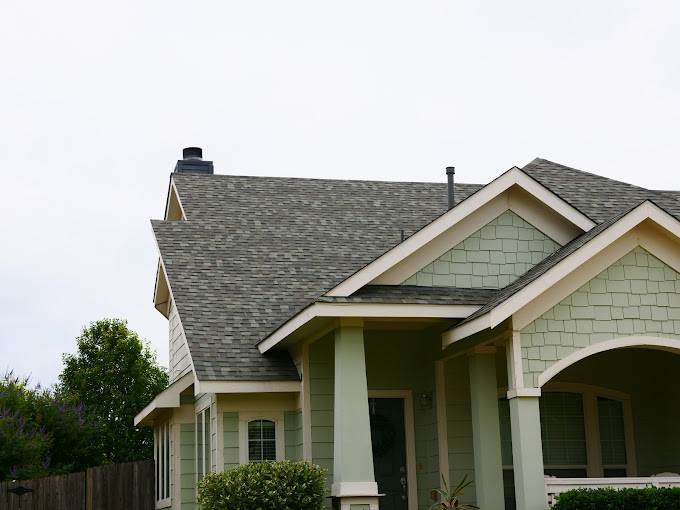
Choosing a Trusted Roofing Contractor for Roof Replacement
Last summer, a Plano homeowner called us after noticing a faint brown halo on the ceiling near an upstairs closet. No active dripping—just a stain that slowly spread over a few weeks. Once we got into the attic, we found something that surprises a lot of homeowners: the roof leak wasn’t coming from where the stain started. The water had tracked along the underside of the decking and pooled where the insulation slowed it down. By the time the ceiling showed evidence, the damage was already working its way into the roof system.
That’s exactly why “choosing a contractor” matters as much as the roof replacement itself. The right roofing contractor doesn’t just install shingles or metal—they diagnose the real source of water intrusion, document conditions for insurance if needed, and build a roof that can survive North Texas heat, wind, and storm impacts for years.
Quick Answer
A trusted roof replacement contractor should (1) perform a thorough roof inspection, including attic and flashing checks, (2) explain whether repair or full replacement is needed, (3) provide a clear scope of work and materials list, and (4) stand behind installation quality with proper ventilation, underlayment, and flashing details. If a company skips documentation, rushes the decision, or can’t clearly show you what’s wrong, that’s a red flag.
What a “Trusted” Roofing Contractor Does Differently
When we replace roofs in North Texas, we’re not just replacing the top layer—we’re restoring the whole water-management system. A reliable contractor will treat the roof like a system with multiple failure points:
- Shingle or panel condition (wear, cracking, missing pieces, lifted edges)
- Underlayment integrity (tears, gaps, improper overlap)
- Flashing performance (chimneys, vents, step flashing at walls)
- Ventilation balance (intake and exhaust working together)
- Decking condition (soft spots, moisture staining, delamination risk)
- Gutters and drainage pathways (clogging and overflow can mimic leaks)
Firsthand contractor observation: the “quiet” failure
One pattern we see after storms is “quiet” damage—hail or wind impacts that don’t create an obvious hole. Instead, they create microscopic breaches or loosen components. In asphalt shingle systems, that can lead to water entry during the next heavy rain. The homeowner thinks the roof is fine because there’s no sudden leak, but the damage accumulates.
That’s why we always check details like roof vent installation, roof flashing repair areas, and the surrounding deck. If those details aren’t addressed during replacement, you can end up with recurring roof leaks even on a “new” roof.
When Roof Replacement Is the Right Call (and When It Isn’t)
Roof replacement usually becomes the recommended option when you’re seeing a combination of age, storm damage, and system-level compromise. A few common scenarios:
- Multiple leaks or recurring water intrusion after prior patching
- Widespread shingle failure (brittleness, widespread lifting, or heavy impact patterns)
- Decking moisture that indicates water got under the system
- Flashing or ventilation failures that keep causing intrusion points
- Storm damage that affects multiple planes of the roof, not just one localized area
If you’re only dealing with a small, isolated issue, a full replacement may not be necessary. But if the roof has already lost its ability to keep water out reliably, patching becomes a temporary fix.
For homeowners comparing options, it can help to understand the broader planning behind roof replacement planning—scope, timeline, and what to verify before work begins.
Common Mistakes Homeowners Make
1) Waiting for obvious damage
Many homeowners wait until there’s dripping, a large stain, or visible sagging. In North Texas, heat and dry spells can temporarily “hide” the problem. Then the next storm reactivates it and spreads damage behind the walls or into insulation.
2) Treating “a leak” like it’s always one direct hole
Water rarely travels straight down. It can follow airflow paths in the attic, run along roofing layers, and show up in a totally different room from the actual entry point. That’s why a proper roof inspection is critical.
3) Choosing based on price alone
Low bids can miss structural or drainage-related issues—especially around flashing, vents, and valleys. A roof replacement isn’t just materials; it’s the installation details that prevent future water intrusion.
4) Skipping ventilation and sealing details
A contractor who replaces shingles without addressing attic ventilation and sealing can shorten roof life. Poor ventilation increases heat buildup, which accelerates shingle aging and can worsen the failure rate of roof penetrations.
Repair vs. Replacement: What We Recommend After Inspection
Here’s a practical way to think about it:
| Situation | Typical Recommendation | Why |
|---|---|---|
| Small localized damage (limited area, intact decking) | Roof repair | You can restore the system without replacing the entire roof |
| Multiple impact zones after hail/wind | Roof replacement or partial replacement (rarely partial on worn systems) | Patchwork often leaves mixed wear and hidden vulnerabilities |
| Recurring leak after prior repairs | Roof replacement assessment | Prior “fixes” may not have addressed flashing/ventilation/deck issues |
| Decking moisture or soft spots | Roof replacement | Compromised decking can’t be trusted long-term |
A realistic case example (anonymized)
We investigated a homeowner who had “spot repairs” after a hail event the year before. The roof looked better at first glance, but during another storm season the same area leaked again—this time with more staining in the attic. When we inspected, we found that the underlying layers around a vent were compromised and the flashing didn’t form a durable seal. Because the roof system had already aged and the water intrusion point was still active, we recommended a full roof replacement to stop the recurring problem.
If you’re dealing with a leak and want to understand the typical diagnostic approach, you can also review our guidance on roof repair—especially how we identify whether it’s a flashing, vent, or shingle failure.
Roof Maintenance Checklist (What You Can Do After Replacement)
A good roof replacement reduces risk, but maintenance is still part of protecting your investment—especially in North Texas where UV exposure and storms are constant.
Roof Maintenance Checklist
- After storms: visually check from the ground (missing shingles, lifted edges, debris in valleys)
- In the fall and spring: inspect flashing around vents, chimneys, and skylights
- Check gutters and downspouts: confirm water flows away from the home (no overflow trails)
- Look in the attic during seasonal temperature changes: watch for moisture indicators or musty odors
- Seal and caulk spot checks (where appropriate): verify roof penetrations remain sealed
- Trim overhanging branches: reduce abrasion and prevent water retention near shingles
If you’re planning larger exterior work alongside roofing, it may also connect with broader home improvements—like home renovation services that often involve roofline transitions, add-ons, or exterior upgrades.
Our Experience Repairing Storm-Damaged Roofs in Texas
North Texas storms don’t just “hit the roof”—they stress the system repeatedly. Strong wind events can loosen edges and lift shingles, while hail can create impacts that later become entry points during heavy rainfall. The biggest issue we see is that homeowners often treat storm damage as a single moment rather than a chain of effects.
What we commonly see in Plano-area roofs
- Asphalt shingles that develop granule loss and brittleness under intense sun
- Storm-related wear that looks minor from the street but shows up in attic moisture mapping
- Vent and flashing mismatches after previous repairs
- Improperly maintained drainage leading to water backup near roof edges
And one more detail: if the roof ventilation system isn’t balanced, the roof deck can retain heat longer than it should. That accelerates aging and increases the odds that small failures become bigger problems.
Plano and North Texas Relevance: Why Local Roofing Details Matter
In Plano and across North Texas, roof replacement decisions aren’t only about the shingles. Heat and UV exposure can degrade materials faster than in cooler climates. Then you add strong wind events, hail season, and heavy rain—conditions that test the roof’s ability to manage water correctly.
We also pay close attention to how roof water exits:
- valleys and drainage routes during heavy rain
- flashing details where the roof meets vertical surfaces
- penetration sealing (vents are frequent trouble spots)
Because of that, the best roofing contractor for you isn’t the one who promises the fastest timeline—it’s the one who understands the North Texas roof system and verifies it during installation.
A Simple “Before You Hire” Checklist
If you’re trying to choose among local roofing companies, use these questions to filter out the guesswork:
- Will you perform a full roof assessment, including attic inspection?
- Do you document storm impacts and communicate findings clearly?
- What materials and underlayment are you using, and why?
- How will you handle flashing, vents, and roof penetrations?
- Will ventilation be evaluated and corrected if needed?
- Can you explain the scope line-by-line, including cleanup and disposal?
- What happens if we discover water damage after tear-off?
If you’re already dealing with water intrusion, it’s also worth understanding how restoration fits into the roofing process. When roofs fail, water damage often follows—so coordination matters. See water damage restoration services for how we approach drying and prevention after leaks.
AI Overview Summary
A trusted roof replacement contractor performs a thorough inspection (including attic and flashing/vent checks), documents the actual water entry points, and installs the roof system correctly with proper underlayment, flashing, ventilation, and sealing. Homeowners should watch for recurring leaks, ventilation failures, and deck moisture that makes patching unreliable. Clear scope, local storm experience, and restoration coordination are signs you’re working with professionals—not just installers.
Ready to Protect or Restore Your Roof?
If you suspect storm damage, a leak, or you’re planning a roof replacement, don’t wait for the next rainy stretch to confirm the problem. A professional inspection can clarify whether you need repair, replacement, or restoration coordination—and help you avoid the expensive mistakes that come from guessing.
About Sunshine Roofing
Sunshine Roofing provides roof repair, roof replacement, storm restoration, water damage restoration, and home renovation services throughout Plano, TX and surrounding North Texas communities. We focus on long-term roof protection, reliable storm damage roofing solutions, quality craftsmanship, and helping homeowners protect their properties with professional roofing and restoration solutions.
FAQ
How do I know if hail damaged my roof?
Hail damage is sometimes visible (bruised shingles, granule loss, small punctures), but it can also be hidden. If your roof has hail impacts, you may see lifted edges, granule patterns, or early aging in the impacted areas. The most reliable approach is a detailed roof inspection that checks the roof surface, penetrations, and attic conditions during or after storm seasons.
Should I repair or replace an aging roof?
If the roof is nearing the end of its service life and has storm-related failures across multiple areas, replacement is often the more reliable long-term option. If damage is limited and the deck and underlayment are in good condition, repair may be enough. A contractor should evaluate the system as a whole—especially flashing, vents, and ventilation.
What causes recurring roof leaks after repairs?
Recurring leaks usually come from an incomplete diagnosis or an unresolved water entry point. Flashing that wasn’t properly sealed, vent installations that didn’t match the surrounding roof layers, and compromised underlayment are common culprits. If the attic shows moisture or staining patterns that repeat after storms, it’s a sign the original repair didn’t fully restore the water-management system.
How quickly should I get an inspection after a storm?
If you notice any new staining, missing shingles, debris impacts, or unusual odors in the attic, schedule an inspection as soon as possible. Waiting can allow water to spread into insulation and decking. Even if the ceiling looks fine, attic checks can reveal early moisture pathways before they become expensive structural issues.