
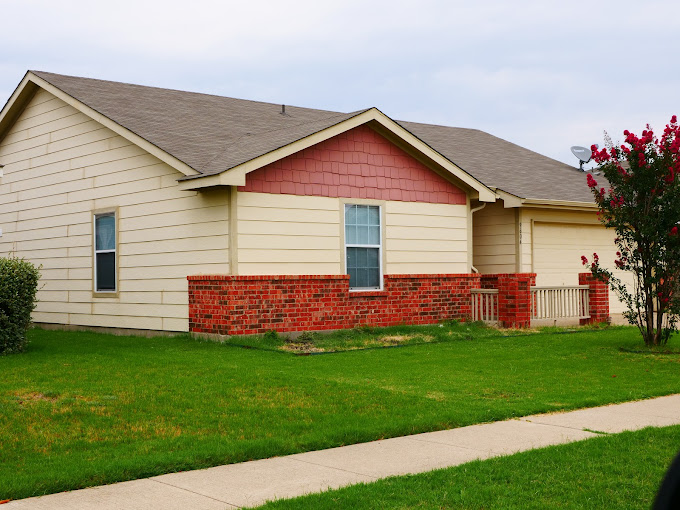
What to Look for in Roof Inspection
On a clear afternoon in Plano, a homeowner calls in about a small water stain on the ceiling. By the time a roofer gets on the ladder, they find hail bruises, lifted shingles, and a slow leak that’s been running along a rafter for months. The repair bill? Several times higher than it would have been if the issue had been caught during a routine roof inspection.
North Texas sees everything from blistering summer heat to spring hailstorms and sudden wind events. That combination is tough on roofing systems, whether you own a home near Legacy West or a commercial property along US‑75. Regular, professional roof inspection isn’t just a box to check—it’s how you protect your investment, avoid surprise leaks, and keep insurance claims from turning into battles.
In this guide, you’ll learn what a thorough roof inspection should include, warning signs inspectors look for, how often to schedule one in Plano’s climate, and how to tell if you’re working with true roofing experts or just someone with a ladder and a business card.
Key Insight: A proper roof inspection is systematic and detailed. It doesn’t just spot obvious damage; it uncovers hidden issues early so you can plan smart repairs or a cost‑effective replacement—before emergency buckets hit the floor.
1. Exterior Roof Surface: Shingles, Metal, and Flat Areas
The first place a qualified inspector starts is often what you can see from the ground—but with a trained eye and usually from the roof itself. In Plano, most homes have asphalt shingle systems, while many local businesses rely on metal or flat roofing. Each has its own failure points, and a good inspection checks for all of them.
For asphalt shingles, your inspector should look for:
- Missing, cracked, or curled shingles
- Granule loss (bald spots) that exposes the mat
- Hail bruising and impact marks
- Blistering or heat damage from Texas sun
On a recent Plano home built in the early 2000s, a Sunshine Roofing inspector found what looked like normal aging from the street. Up close, dozens of shingles had hail bruises and fractures on the back side. The homeowner thought they needed simple Roof Repair, but the inspection documented enough storm damage for a full Roof Replacement through insurance—saving them from repeated leaks and piecemeal fixes.
For metal and flat roofs (common in retail centers and office buildings), inspectors focus on:
- Rust, loose fasteners, and panel separation on metal
- Ponding water, blisters, and membrane splits on flat/TPO/EPDM
- Seams and transitions where leaks usually start
“Most leaks don’t start where water is obvious. They start where water slows down or pools, then finds a weak point.” — Senior Inspector, Sunshine Roofing
A detailed look at the surface is the foundation for everything else in a roof inspection. From here, attention shifts to the “weak spots” that often cause leaks long before shingles visibly fail.
2. Critical Leak Points: Flashing, Valleys, and Penetrations
In Plano’s storm‑prone climate, most leaks don’t appear in the middle of the roof; they show up where materials change or intersect. That’s why a thorough inspection spends extra time on flashing, valleys, and penetrations like vents and chimneys.
Key areas your inspector should check:
- Flashing around chimneys, skylights, and walls
- Roof valleys where two slopes meet and water concentrates
- Pipe boots and vent penetrations that can crack or dry out
- Sidewall and headwall flashing where roofs meet vertical surfaces
On a West Plano home, Sunshine Roofing was called for “mysterious” interior water damage. The shingles looked fine, and a previous contractor had suggested drywall repair only. A closer look at the flashing around a second‑story chimney revealed tiny gaps and deteriorated sealant. After a focused Roof Flashing Repair and a small section of shingle replacement, the leak stopped completely—without a full roof tear‑off.
Common red flags inspectors look for:
- Rusted or loose metal flashing
- Improperly overlapped or nailed flashing
- Caulking used as a “band‑aid” instead of proper metalwork
- Exposed nail heads in valleys or penetrations
Because Plano often gets wind‑driven rain, even a small flashing defect can let water travel several feet before it appears inside. That’s why this part of the inspection is non‑negotiable—and why quick “drive‑by” inspections miss so many hidden issues.
3. Attic and Interior: The Hidden Side of Roof Health
A true roof inspection doesn’t stop at the shingles. The attic and interior tell the story of what’s been happening over months or even years. Moisture patterns, insulation condition, and ventilation are all clues that certified roof inspectors use to find problems early.
During an attic inspection, your roofing expert should:
- Check for water stains, dark spots, or active drips on decking
- Look for mold, mildew, or musty odors
- Examine insulation for dampness or compression
- Verify that intake and exhaust vents are working properly
On a single‑story home near Oak Point Park, a Sunshine Roofing team was called for a small ceiling stain. In the attic, they found not just a minor leak, but widespread moisture from poor ventilation. The decking was starting to soften, and mold growth was beginning around a bathroom vent. By addressing the leak, adding Roof Vent Installation, and coordinating Water Damage Restoration inside, the homeowner avoided serious structural damage and health concerns.
“Your attic is the canary in the coal mine. If there’s a roof or ventilation issue, it usually shows up there first.” — Project Manager, Sunshine Roofing
Inspectors should also walk the interior of your property to check:
- Ceiling stains or bubbling paint
- Peeling wallpaper or warped trim
- Soft spots near exterior walls or under roof valleys
For Plano property owners, attic and interior checks are especially important after major hail or wind events. Even if shingles look intact, subtle damage can start a slow leak that doesn’t show up inside for months.
4. Storm Damage, Aging, and When Repairs Aren’t Enough
One of the biggest questions property owners have after an inspection is: “Do I really need a new roof, or can this be repaired?” A solid inspection should give you a clear, evidence‑based answer—especially in a place like Plano where hailstorms are a regular reality.
Inspectors evaluate:
- Overall age and remaining life of the roofing system
- Concentration and severity of hail or wind damage
- Previous patchwork repairs or mismatched shingles
- Condition of underlayment and decking where visible
On a Plano cul‑de‑sac hit by a hailstorm, Sunshine Roofing inspected three neighboring homes. One had minimal granule loss and a few lifted shingles—ideal for targeted Storm Damage Roof Repair. The second had widespread bruising and fractured shingles across every slope, pushing it toward a full Residential Roof Replacement. The third had already been patched multiple times over the years; inspection revealed soft decking and hidden leaks, making replacement the only cost‑effective option.
Here’s how a thoughtful repair vs. replacement decision often looks:
| Factor | Lean Toward Repair | Lean Toward Replacement |
|---|---|---|
| Roof Age | Under 10–12 years | 15–20+ years (or near end of warranty) |
| Damage Pattern | Isolated or one‑slope issues | Widespread across multiple slopes |
| Underlayment/Decking | Solid, no soft spots | Soft, rotted, or recurrent leaks |
| Plano Storm History | No major recent hail events | Repeated hail/wind events over several seasons |
| Long‑Term Cost | Small, defined repair cost | Repairs approaching 30–40% of full replacement cost |
“Repairs make sense when they extend the life of a generally healthy roof. When you’re chasing leaks every storm season, replacement usually saves money in the long run.” — Owner, Sunshine Roofing
5. Ventilation, Energy Efficiency, and Code Compliance
A roof isn’t just about keeping water out; it also helps your home or building breathe. Poor ventilation can bake your attic in the Plano summer, drive up energy bills, and shorten the life of your shingles. A comprehensive inspection includes an evaluation of your ventilation and how it impacts overall roof performance.
Inspectors should review:
- Balance of intake (soffit) and exhaust (ridge or box) vents
- Blocked vents due to paint, insulation, or debris
- Signs of heat buildup (brittle shingles, overheated attic)
- Moisture buildup in winter or during heavy rain
On a North Plano home with a relatively new roof, the owners were frustrated with high summer electric bills. Sunshine Roofing’s inspection found insufficient intake vents and blocked soffits from a previous paint job. By adding proper intake and adjusting exhaust, attic temperatures dropped significantly, easing strain on the HVAC system and protecting the shingles from premature aging.
Plano’s growth also means more homes and businesses must meet updated building codes and manufacturer requirements. During an inspection, a reputable roofing contractor will also:
- Confirm your roof system meets current local codes
- Check that previous repairs used compatible materials
- Note any non‑standard installations that could affect warranties
Proper ventilation and compliance may not seem urgent compared to an active leak, but they’re crucial for long‑term roof health and avoiding surprise issues during a future sale or insurance claim.
6. Documentation, Photos, and Planning Your Next Steps
A quality roof inspection doesn’t end when the inspector climbs down the ladder. The real value comes from how your findings are documented and explained, so you can make smart decisions about maintenance, repair, or replacement.
You should expect:
- A written report or summary of findings
- Clear photos of problem areas and overall roof condition
- Priority levels: what needs attention now vs. what to monitor
- Transparent explanations of recommended Roof Repair or replacement options
On a small commercial property in Plano with a flat roof system, Sunshine Roofing provided a photo‑rich report showing seam failures, ponding water, and early membrane cracking. The owner used the report to:
- Budget for phased Flat Roof Repair over 12–18 months
- Plan for eventual Flat Roof Installation upgrade to TPO
- Document existing conditions for insurance and future buyers
“Good documentation is your roadmap. It turns a one‑time inspection into a long‑term maintenance plan.” — Commercial Roofing Specialist, Sunshine Roofing
Here’s a simple comparison of inspection quality levels:
| Aspect | Basic / Minimal Inspection | Professional, Detailed Inspection |
|---|---|---|
| Roof Access | Ground only or quick walk | Full access where safe, including all slopes |
| Attic/Interior Check | Often skipped | Standard part of the process |
| Photos | Few or none | Comprehensive, with problem and context shots |
| Report | Verbal or brief invoice note | Written summary with priorities and options |
| Planning Help | “Fix it or don’t” | Maintenance schedule, repair vs. replacement guidance |
What This Means for Businesses in Plano, TX
Plano’s rapid growth and competitive commercial real estate market make building condition a serious business asset. For property managers and owners along Legacy Drive, Preston Road, or in the downtown Plano area, roof performance directly affects tenant satisfaction, operating costs, and long‑term property value.
A thorough, professional roof inspection helps you:
- Avoid disruptive leaks that shut down retail or office space
- Plan capital improvements instead of reacting to emergencies
- Support insurance claims after hail or wind events with solid documentation
- Protect interior build‑outs, inventory, and technology from water damage
For example, a Plano office complex owner who schedules annual inspections can catch early membrane splits on a TPO system, then schedule targeted Commercial Roofing repairs during off‑hours. Compare that to an unexpected ceiling collapse in a tenant’s suite, which could lead to lost rent, angry tenants, and costly Emergency Roof Repair and Water Damage Restoration Services.
Regular inspections also help you:
- Extend the life of existing roof systems through proactive maintenance
- Keep your property aligned with local codes and lender requirements
- Demonstrate responsible stewardship to investors and stakeholders
For Plano’s business community, a roof inspection isn’t just a maintenance task. It’s risk management, cost control, and asset protection rolled into one. Partnering with a trusted, local roofing company gives you a clear picture of your roof’s condition and a plan to keep it performing through every North Texas storm season.
Frequently Asked Questions
Q: How often should I schedule a roof inspection in Plano’s climate?
A: In Plano, once a year is a smart baseline for a Professional Roof Inspection, especially for roofs over 8–10 years old. In addition, you should schedule an inspection after any major hail or wind event in your neighborhood. North Texas storms can cause damage that isn’t visible from the ground, and catching it early can mean the difference between a simple Roof Tune Up and a major replacement. Commercial properties with flat roofs or complex systems may benefit from semiannual inspections—typically before and after storm season—to stay ahead of leaks and preserve warranties.
Q: What’s the difference between a free roof inspection and a paid one?
A: Many local roofing companies offer a Free Roof Inspection, which is often focused on identifying storm damage and potential insurance claims. A paid inspection may go deeper, especially for commercial or complex residential properties, with more detailed reporting and long‑term maintenance planning. The key is the thoroughness and expertise, not just the price. Ask what’s included: Will they check the attic? Provide photos? Evaluate ventilation? A reputable Plano roofing contractor will be transparent about what their inspection covers, whether it’s free or fee‑based, and won’t pressure you into unnecessary work.
Q: How do I know if I need repair or full roof replacement?
A: The decision between Roof Repair and full Roof Replacement comes down to age, extent of damage, and long‑term cost. If your roof is relatively young and damage is limited to one area—like a small section of storm‑damaged shingles—targeted repair often makes sense. But if your roof is 15–20+ years old, has widespread hail bruising, or has had repeated leaks, replacement is usually more cost‑effective. A detailed inspection from a trusted Plano roofing contractor should outline both options, including estimated remaining life, likely future repairs, and realistic Roof Replacement Cost so you can choose confidently.
Q: What signs should prompt me to call for an inspection right away?
A: Visible leaks, ceiling stains, missing shingles, or shingles in your yard are clear red flags. In Plano, you should also call for Roof Leak Detection after major hail, strong windstorms, or if neighbors are getting their roofs inspected or replaced. Less obvious signs include unexplained musty odors, rising energy bills, or hot, stuffy rooms beneath the attic. If you see granules collecting in gutters or at downspouts, that can signal accelerated shingle wear. When in doubt, it’s safer—and often cheaper—to have a qualified roofing expert take a look before a minor issue becomes a major repair.
Q: Can a roof inspection help with insurance claims after hail or wind damage?
A: Yes. A thorough inspection with photos and written documentation is critical for storm‑related insurance claims in Plano. A reputable roofing company can identify and document Hail Damage Roof Repair needs, wind‑lifted shingles, and related issues like damaged vents or flashing. While your roofer doesn’t “negotiate” with the insurer, their report and expertise can help you understand what’s damaged, what’s covered, and what repair or replacement options you have. Many property owners find that having a trusted contractor on‑site during the adjuster’s visit ensures nothing is overlooked.
Q: How does a roof inspection tie into water damage and interior repairs?
A: If you’re seeing interior water stains, buckled flooring, or damaged drywall, a roof inspection is often the starting point. A roofer can trace the source of the leak, recommend appropriate Emergency Water Damage Services, and coordinate with interior specialists for Water Damage Cleanup and repairs. In Plano, where intense storms can overwhelm gutters and flashing, it’s common for a roof leak to be just one part of the problem. Addressing both the roof and interior damage at the same time prevents recurring issues, mold growth, and repeated repair costs.
Q: Is a roof inspection necessary before home renovations or selling my house?
A: Absolutely. Before major Home Renovation Services—like additions, kitchen remodeling, or bathroom expansions—it’s wise to assess your roof’s condition and ventilation. This avoids tying new construction into a failing roof system. For sellers in Plano’s competitive market, a recent roof inspection report can be a strong selling point, showing buyers that the home has been well maintained. It can also help you decide whether to invest in Affordable Roofing Services like minor repairs or a Roof Tune Up to avoid last‑minute surprises during buyer inspections.
Ready to Get Started?
Plano’s weather won’t wait, and neither should your roof. Every season brings new stresses—hail in the spring, blazing heat in the summer, and sudden storms any time of year. The earlier you catch issues, the more options you have, from simple repairs to carefully planned replacements, instead of rushing into emergency decisions with water pouring in.
If you haven’t had your roof checked in the last year—or since the last major storm—it’s time to schedule a comprehensive inspection. Sunshine Roofing can evaluate your roof system from shingles to attic, document any issues with clear photos, and walk you through practical options tailored to your home or business. Whether you need a small leak fixed, a full Residential Roof Replacement, or guidance on long‑term Roof Maintenance Services, you’ll get honest recommendations and local expertise you can trust.
Take the next step today and give your roof the attention it deserves—before the next North Texas storm puts it to the test.
About Sunshine Roofing
Sunshine Roofing is a locally owned roofing and remodeling company serving Plano, TX and surrounding communities. With years of hands‑on experience in Residential Roofing Services, Commercial Roof Replacement, and full‑service Home Improvement Services, our team understands the unique demands of North Texas weather. We combine certified inspections, quality craftsmanship, and honest communication to protect your property from the roof down. To learn more about our services and local projects, visit our homepage at sunshineroofingtx.com.