
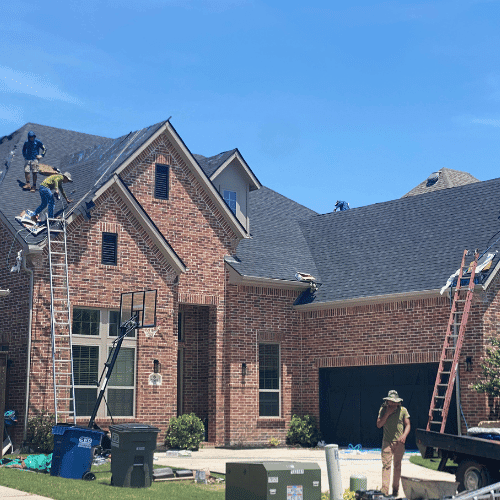
Weathered Shingles? Schedule Roof Inspection Today
The last major hailstorm that rolled through Plano generated more than 20,000 insurance claims in Collin County alone. A big chunk of those were for roof damage—much of it invisible from the ground. Yet many homeowners and business owners still look up, see shingles “that don’t look too bad,” and assume everything is fine.
Weathered shingles are one of the most common warning signs that your roof is losing its ability to protect your property. In North Texas, where blazing sun, sudden hail, and high winds are normal, that’s not something to ignore. Industry data shows that catching roof issues early can cut repair costs by 30–50% compared to waiting until leaks appear.
This guide explains what weathered shingles really mean, how Plano’s climate accelerates roof wear, and why a timely, professional roof inspection is the smartest move you can make. You’ll learn what inspectors look for, how to choose the right roofing partner, what repairs or Roof Replacement options might follow, and how to protect your home or business from water damage down the road.
Key Insight: Weathered shingles are not just a cosmetic issue—they’re an early warning that your roof’s protective system is breaking down. A thorough, professional roof inspection today can prevent major leaks, expensive repairs, and interior damage tomorrow.
Weathered Shingles: Cosmetic Flaw or Serious Warning?
From the street, “weathered” shingles can look like nothing more than fading or slight curling. But those subtle changes often signal deeper problems in the roof system—especially in a place like Plano, where we see triple-digit heat, heavy spring storms, and the occasional ice event all in the same year.
Common signs of weathered shingles include:
- Granule loss (bald spots or heavy shingle “grit” in gutters)
- Curling or cupping edges
- Cracks, blisters, or small tears
- Dark streaks or patchy discoloration
- Shingles that look thin, brittle, or warped
Each of these symptoms points to a different type of wear—UV damage, wind stress, hail impact, or age-related breakdown. Once the protective granule layer is gone, the asphalt beneath becomes brittle. That’s when leaks, blown-off shingles, and accelerated deterioration start to show up.
“By the time a homeowner notices a stain on the ceiling, the roof has usually been compromised for months.” — NRCA Technical Bulletin
In Plano, we recently inspected a 17-year-old asphalt roof that “looked fine” from the ground. Up close, we found extensive granule loss on the south-facing slope and multiple cracked shingles around roof vents. The owner had no active leaks yet, but the underlayment was already exposed in a few spots. A targeted Roof Repair and a proactive maintenance plan added several years of life to that roof—and avoided a mid-summer emergency.
Why Plano’s Climate Is Tough on Shingles
Roofs in North Texas age faster than the same products installed in milder climates. Plano sits in a zone where intense sun, temperature swings, and severe storms all work together to shorten shingle life.
How Local Weather Wears Down Your Roof
- Extreme UV and heat: Summer temperatures on a dark shingle roof can exceed 150°F. That repeated heat load dries out asphalt, causes expansion and contraction, and makes shingles brittle.
- Hail and wind: Even “small” hail can bruise shingles, knock off protective granules, and weaken seal strips. Strong gusts during thunderstorms can lift and crease shingles, leaving them prone to future blow-offs.
- Rapid temperature swings: Cold fronts after warm days cause materials to expand and contract quickly, stressing fasteners and flashing.
- Occasional ice and snow: Ice dams are less common here than in colder states, but a single bad freeze event can push water under compromised shingles.
Local insurance data and manufacturer guidelines suggest that a typical asphalt shingle roof in North Texas may reach the end of its reliable service life in 15–20 years, even if it’s rated for 25–30 years elsewhere.
We inspected a commercial building near Legacy West after a spring hailstorm. The roof had a mix of older asphalt shingles and a small flat section. The owner only noticed a few dented gutters. Our inspection found hail bruising across multiple slopes and seam issues on the flat section. Because the damage was documented early, the owner was able to pursue storm-related Storm Damage Roof Repair through insurance rather than paying out of pocket years later when leaks appeared.
CALLOUT: Plano’s weather may not give you obvious signs that your roof is in trouble. A professional inspection reads the clues that storms and sun leave behind—before they turn into leaks.
What a Professional Roof Inspection Actually Covers
A true professional roof inspection is far more than a quick glance from the curb. Certified roof inspectors follow industry best practices to evaluate every critical component of your roof system, not just the shingles.
Key Elements of a Quality Roof Assessment
A thorough inspector will:
- Check shingle condition (granules, cracks, curling, hail impact)
- Examine flashing at chimneys, walls, and roof penetrations
- Inspect roof vents and other penetrations for gaps or deterioration
- Evaluate gutters and downspouts for clogs, damage, and proper drainage
- Look for signs of poor ventilation (hot attic, moldy smell, warped decking)
- Review interior ceilings and attic for water stains, moisture, or daylight
- Document findings with photos and clear recommendations
“An inspection report should give the property owner a roadmap—what’s urgent, what’s upcoming, and what can extend the roof’s life.” — John C., Roofing Consultant
At Sunshine Roofing, a typical residential inspection in Plano includes both exterior and attic evaluations when accessible. On a recent job near Oak Point Park, our inspector found weathered shingles on the south side and subtle sagging along one rafter line. In the attic, we discovered minor moisture staining and compressed insulation. The solution involved shingle replacement in key areas, Roof Vent Installation improvements, and a small structural reinforcement—much less costly than a full roof replacement and structural repair down the road.
Repair vs. Replacement: Making the Right Call
Once a professional roof inspection identifies weathered shingles and other issues, the next question is: repair or replace? The right answer depends on age, extent of damage, and your long-term plans for the property.
Comparing Your Options
Here’s a simplified comparison to help frame the decision for Plano homeowners and business owners:
| Factor | Targeted Roof Repair | Full Roof Replacement |
|---|---|---|
| Typical Plano Cost Range | Lower upfront (hundreds to low thousands) | Higher upfront (several thousand and up) |
| Best For | Localized damage, newer roofs | Widespread wear, older roofs, repeated leaks |
| Lifespan Impact | Extends life of existing roof | Resets roof life to 20–30+ years (material-based) |
| Insurance Involvement | Sometimes, for specific storm damage | Often, for qualifying hail/wind events |
| Disruption | Minimal, localized work | More extensive, 1–3 days for most homes |
| Long-Term Value | Cost-effective short- to mid-term solution | Higher resale value, better energy performance |
Recently, we visited a 12-year-old home in east Plano with weathered shingles mainly on one slope and a few missing pieces around a vent. A focused Shingle Roof Repair, new flashing, and a roof tune-up were all that was needed.
Contrast that with a 22-year-old roof near Plano Senior High that had widespread granule loss, multiple prior patch jobs, and active leaks. In that case, a full Residential Roof Replacement with upgraded materials provided better value than continuing to patch a failing system.
CALLOUT: Age and pattern of damage matter. If your roof is under 15 years old and damage is limited, repair often makes sense. If it’s 18+ years and you see weathering across large areas, it’s time to seriously consider replacement.
Preventing Water Damage: Why Timing Is Everything
Weathered shingles are the first line in a chain that can end with interior water damage, mold, and structural issues. Once water finds a way past aging shingles, it doesn’t always show up where you expect.
How Roof Issues Turn Into Interior Damage
- Water seeps under worn or cracked shingles.
- Underlayment and decking absorb moisture.
- Over time, wood can rot, fasteners rust, and insulation mat down.
- Moisture pockets create ideal conditions for mold.
- Eventually, stains appear on ceilings or walls—often far from the original entry point.
We were called to a home near Preston Road for what the owner thought was a plumbing leak above a second-floor bathroom. Our inspection traced the problem back to weathered shingles and failing flashing around a nearby vent stack. The water had traveled along framing members before showing up in the ceiling.
Because the leak had been slow and long-term, the project required both roofing work and interior restoration. After addressing the exterior issues, our team coordinated Water Damage Restoration, including structural drying, replacement of damaged drywall, and mold prevention measures.
“Moisture problems left unchecked for 48–72 hours can significantly increase the risk of mold growth.” — IICRC S500 Standard
By scheduling a roof inspection as soon as you notice weathered shingles—or before storm season—you’re buying time to fix small exterior problems before they become major interior ones.
Roof Inspections for Businesses and Commercial Properties
Commercial roofs in Plano face the same weather as residential roofs, but the materials and risks can be very different. Flat and low-slope systems (TPO, EPDM, modified bitumen, and coatings) have their own version of “weathered shingles”: worn membranes, ponding water, seam failures, and aging flashings.
Why Commercial Roof Assessments Are Critical
For business owners and property managers, roof issues can impact:
- Tenant satisfaction and retention
- Inventory and equipment safety
- Business continuity and downtime
- Insurance costs and claims history
- Long-term capital planning
We worked with a small office complex off Spring Creek Parkway that had recurring ceiling stains in several suites. A comprehensive commercial roof inspection revealed:
- Aged and cracking membrane in high-traffic service areas
- Failing sealant at several rooftop HVAC units
- Poor drainage causing ponding water near scuppers
Instead of a full replacement, the owner opted for a combination of Commercial Roof Replacement on the worst section and targeted Flat Roof Repair and coating on the rest. This phased plan balanced budget constraints with risk reduction and extended the overall life of the system.
CALLOUT: A scheduled, professional roof assessment is one of the most cost-effective risk management tools for commercial properties—especially in a storm-prone market like Plano.
Integrating Roof Care with Broader Home Renovations
Roof health rarely exists in isolation. Many Plano homeowners discover roofing issues while planning other improvements—like a kitchen remodel or room addition. Coordinating roof inspections and improvements with broader Home Renovation Services can save money and prevent rework.
Why Timing Your Projects Matters
- Remodeling below a tired roof: Investing in new cabinets, lighting, and finishes under a weathered roof is risky. A future leak can undo thousands of dollars in renovations.
- Energy efficiency upgrades: New roofing materials, better ventilation, and attic insulation improvements can work together to reduce energy bills—especially in Plano’s hot summers.
- Exterior updates: If you’re updating siding, windows, or gutters, a roof inspection helps ensure all exterior systems work together for proper drainage and weather protection.
We recently helped a homeowner near the Plano Balloon Festival grounds who was planning a major interior update—kitchen, bathrooms, and new flooring. Our initial visit included a roof inspection that found weathered shingles and compromised flashing along a wall where new cabinetry would be installed inside. By addressing the roof and related exterior issues first, the owner protected their renovation investment and improved the home’s overall performance.
“Coordinated planning of roofing and interior renovations often reduces total project cost and avoids having to redo finished work.” — Remodeling Industry Best Practices
If you’re considering kitchen remodeling, bathroom renovations, or other upgrades, adding a professional roof inspection to your planning checklist is a smart move.
What This Means for Businesses in Plano, TX
For homeowners and business owners in Plano, weathered shingles are more than just an aesthetic concern—they’re a sign that your property is facing the combined stress of our unique climate: hot sun, frequent hail, and sudden wind events.
Ignoring early signs of wear can:
- Shorten your roof’s remaining lifespan
- Increase the risk of sudden leaks during storms
- Lead to costly interior repairs and business interruptions
- Complicate or delay insurance claims after major weather events
On the other hand, proactively scheduling a professional roof inspection offers clear benefits:
- Early detection of problems when they’re less expensive to fix
- Objective documentation you can use for insurance or planning
- A prioritized roadmap for repair, maintenance, or replacement
- Peace of mind heading into storm season or major renovations
Plano’s growth and active real estate market mean that roof condition also plays a role in property value and marketability. Buyers and tenants increasingly expect documentation of recent inspections and maintenance, especially for older roofs.
By treating roof inspections as a routine part of property care—rather than something to think about only after a leak—you’re aligning with best practices followed by savvy property owners throughout North Texas.
Frequently Asked Questions
Q: My shingles look faded and a little curled, but I don’t see leaks. Do I really need a roof inspection?
A: Yes. In Plano’s climate, fading, curling, and granule loss are early indicators that your shingles are losing their protective qualities. Even if you don’t see interior leaks yet, water can already be working its way under shingles and into the decking. A professional Roof Assessment can determine whether simple maintenance, targeted Leaky Roof Repair, or a longer-term plan is needed. Inspectors also check flashing, vents, and the attic, where early moisture signs often appear before ceiling stains. Catching these issues early almost always costs less than waiting for visible damage.
Q: How often should roofs be inspected in North Texas?
A: For Plano homes and small businesses, most experts recommend a professional roof inspection at least every two years—and after any major hail or wind event. If your roof is over 15 years old, annual inspections are a smart idea. Our weather can cause sudden damage that isn’t visible from the ground, especially on higher or steeper roofs. Regular Roof Maintenance Services help extend the life of your roof, keep warranties valid, and provide documentation if you ever need to file a storm damage claim.
Q: Will a roof inspection tell me if I need a full replacement or just repairs?
A: A thorough inspection is exactly how you make that decision with confidence. Certified roof inspectors evaluate age, material condition, pattern of wear, and any active leaks. If damage is localized and your roof still has good remaining life, focused Shingle Roof Repair or a roof tune-up may be recommended. If weathering is widespread, shingles are near the end of their rated life, or there are recurring leaks, the inspector may recommend a Residential Roof Replacement or Commercial Roof Replacement. The goal is to match the solution to your roof’s actual condition and your long-term plans.
Q: How much does a roof replacement typically cost in Plano?
A: Roof replacement cost varies based on size, pitch, materials, and complexity. In the Plano area, a standard asphalt shingle replacement for an average-sized home usually runs in the mid-to-high four figures, with larger or more complex roofs higher. Upgrades like impact-resistant shingles or Metal Roofing Installation cost more upfront but can offer longer life and potential insurance savings. A professional inspection and written estimate will give you a clear breakdown of options, helping you compare short-term and long-term value.
Q: What happens if I delay addressing weathered shingles for a few more years?
A: Delaying can be tempting, especially if you don’t see leaks yet, but it’s risky in our storm-prone region. As shingles continue to weather, they become more vulnerable to hail, wind uplift, and thermal cracking. Small issues like minor granule loss can turn into exposed underlayment, rotted decking, and active leaks. That’s when you may also need Water Damage Cleanup, drywall repair, and mold prevention. In many cases, waiting increases total costs and can reduce the chance that insurance will cover future storm-related damage on an already compromised roof.
Q: Can a roof inspection help with home renovation planning?
A: Absolutely. If you’re planning kitchen remodeling, bathroom renovations, or other major updates, a roof inspection helps ensure you’re not investing in new finishes under a vulnerable roof. It can also identify opportunities to improve ventilation or insulation while other work is happening, which may reduce energy bills in Plano’s hot summers. Coordinating roof work with broader Home Improvement Services can save on labor and prevent having to tear out new drywall or finishes later because of a preventable leak.
Q: What if my weathered shingles are due to a past hailstorm—can this be covered by insurance?
A: It’s possible, depending on the age of the damage and your policy. Insurance typically covers sudden, accidental damage like hail or wind, not normal wear and tear. A professional inspection can help distinguish between storm damage and age-related weathering. If there’s evidence of hail or wind impact, your roofer can document it and guide you through the claim process. Prompt Hail Damage Roof Repair or replacement after a qualifying event can often be done with insurance participation, while waiting too long may make it harder to attribute damage to a specific storm.
Ready to Get Started?
North Texas weather doesn’t wait, and neither should you. If you’re seeing weathered shingles, granules in your gutters, or you simply haven’t had your roof checked in a few years, now is the ideal time to schedule a professional inspection—before the next round of storms rolls through Plano.
A thorough roof inspection from Sunshine Roofing gives you clear answers, not guesswork. You’ll know whether your roof needs simple maintenance, targeted repair, or a longer-term plan for replacement. If we find issues that have already allowed water inside, our team can also coordinate prompt Water Damage Restoration Services to protect your home’s structure and air quality.
We’ve worked on thousands of roofs across Plano and the surrounding communities, and we understand how local weather, building styles, and insurance requirements all intersect. Our goal is straightforward: honest assessments, practical options, and quality workmanship that stands up to Texas storms.
Take the first step toward protecting your property. Schedule your roof inspection today, and move into the next season with confidence instead of uncertainty.
About Sunshine Roofing
Sunshine Roofing is a locally owned roofing and remodeling company serving Plano, TX and surrounding North Texas communities. With years of experience in Residential Roofing Services, commercial roofing, and full-service renovations, our team combines certified expertise with a neighborly approach. We follow industry best practices, use quality materials suited to our climate, and stand behind our work. From detailed roof inspections and repairs to complete replacements and interior restoration, Sunshine Roofing is committed to protecting and improving the places you live and work.