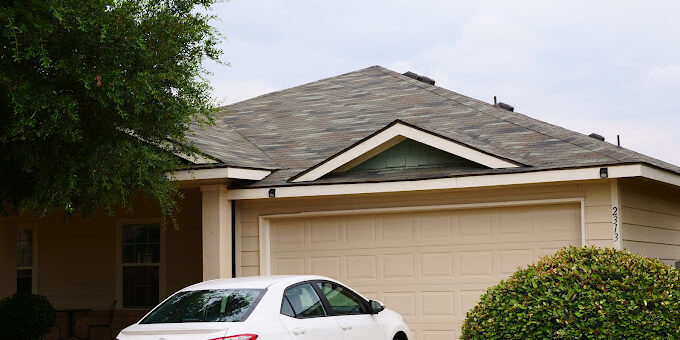
If you have noticed a roof leak near a ceiling light, a soft spot in the attic, or storm-related shingle damage around Plano, TX, the next step is deciding how to plan a roof replacement so the work is safe, orderly, and correctly scoped. This guide walks you through what to check, what questions to ask, and how to reduce surprises during residential roofing services.
A rainy afternoon can change your whole weekend when you see water staining on a wall or notice a drip after a storm. In Plano, TX, that moment often comes with a familiar question: is this something you can patch, or is it time for a full roof replacement?
Planning matters because roof replacement is more than swapping shingles. You want the right assessment, a clear scope of work, and a plan for any hidden issues such as roof leak detection findings, water damage, or damaged flashing. Below, you will learn how to move from “something is wrong” to a safe, step-by-step plan with Roofing Services you can understand.
Quick Answer
Start with a professional roof inspection and roof assessment, then confirm whether the issue is limited to roof repair or requires a full roof replacement. During planning, document the leak location, check attic ventilation and visible water stains, and discuss the scope for flashing, vents, and any damaged decking. If water has already reached the interior, coordinate next steps for water damage restoration before or alongside roofing work. For homeowners, the practical move is to schedule a thorough inspection with a Licensed Roofing Contractor like Sunshine Roofing and ask for the plan in writing so the work matches what is actually needed.
What to Check First
Before you schedule crews or pick materials, focus on the information that helps a contractor scope the job accurately. This is where many plans either get safer and clearer, or drift into confusion.
1) Locate the leak pattern
Note where water appears inside, when it happens, and whether it follows wind-driven rain. A roof leak can travel before it shows up on the ceiling.
2) Inspect the roof surface from the ground
Look for missing or lifted shingles, granule loss, and damaged flashing around penetrations like vents and chimneys. Avoid walking on the roof if you suspect instability.
3) Check the attic for water clues
Look for active moisture, damp insulation, and discoloration on rafters or decking. If you see water intrusion, plan for water damage restoration steps.
If you are currently dealing with active leaks or interior moisture, you may also want to review roof repair options to understand whether a targeted fix could be part of the plan. If the damage is broader, the same inspection process supports roof replacement decisions.
Professional observation: A roof replacement plan is safest and most accurate when the inspection addresses more than shingles. In Plano, TX, wind and storm impacts often affect flashing, vents, and roof penetrations, which can be the difference between “fixed” and “still leaking.”
Main Things Customers Should Understand
Once you know what needs attention, planning turns into a series of practical choices. These are the areas where customers typically gain clarity and confidence.
Scope clarity: what is being replaced and why
Ask how the contractor arrived at the scope of work. A solid plan should connect the roof inspection findings to the materials and tasks involved, including roof flashing repair, roof vent installation, and any deck areas that need attention.
Material selection: match the roof system you have
Many residential roofs in the Plano area use asphalt shingle roofing. If your roof includes flat sections, you may need flat roof repair or flat roof installation. During planning, confirm which roof system applies to your home or building so the work is consistent.
Ventilation and moisture management
Roof replacement can improve performance, but ventilation and moisture control still matter. Your plan should address how air moves in the attic and how penetrations are sealed so new materials do not become “the next leak” a year later.
Interior impact: water damage restoration planning
If you have visible stains, damp insulation, or lingering odor, coordinate timelines. Roofing and water damage cleanup often overlap, and the order can affect how quickly materials dry and how effectively the damaged areas are addressed. For guidance on coordinating those steps, consider water damage restoration as part of your overall plan.
Planning tip: If you are also considering home renovations, align the roof replacement schedule with your interior priorities. A roof replacement can affect attic access, ceiling work, and the timing of finish repairs. You can explore home renovations to think through sequencing for your project.
Decision guide: repair vs replacement
Use this table to help you frame the conversation during your roof inspection services appointment. It is not a substitute for a professional assessment, but it helps you understand what typically drives the recommendation.
| Situation you notice | Repair may be considered when… | Replacement may be considered when… |
|---|---|---|
| Localized leaks near flashing or vents | The damage appears limited and the roof structure around it is sound. | Multiple penetrations or repeated leak patterns suggest broader system failure. |
| Shingle damage after storms | Damage is isolated and the surrounding roof surface and underlayment are intact. | There is extensive impact across the roof or signs of widespread moisture intrusion. |
| Recurring leaky roof repair events | Repairs address the specific cause and the leak stops with no new areas affected. | The underlying problem keeps resurfacing, indicating the roof system needs a full reset. |
| Visible interior water staining | Staining is minor and moisture sources are confirmed to be limited. | Water has affected multiple areas or there are signs the roof deck and surrounding materials are compromised. |
Why This Matters in Plano, TX
In Plano, TX, weather swings and storm activity can create conditions where a roof looks “mostly fine” from the street but still has vulnerable points around roof edges and penetrations. That is why planning starts with a proper professional roof inspection and roof assessment, not just a quick look at the shingle layer.
A firsthand-style pattern we often see is that homeowners find the first evidence indoors, then realize the roof leak detection they assumed was “one area” is actually tied to wind-driven rain moving under lifted shingles or around flashing. Planning for these realities helps the project stay on track and helps avoid repeat problems after the new materials are installed.
Get a roof replacement plan that matches your findings
If you are weighing residential roof replacement and want a clear path from inspection to scope, Sunshine Roofing can help you understand what is needed for roofing solutions in Plano, TX & surrounding areas.
Contact Sunshine RoofingCommon Mistakes to Avoid
Roof replacement planning goes smoother when you avoid the issues that commonly slow down projects or create unnecessary rework.
Skipping documentation of the leak
If you cannot explain when the leak happens or where the staining appears, it is harder to confirm the true source during professional roof inspection.
Choosing a contractor only by the lowest quote
You need Roofing Services that clearly connect inspection findings to the scope. If the plan is vague, the risk of surprises increases.
Assuming the roof is the only issue
If water has entered the attic or interior, ignoring water damage cleanup and structural drying can lead to lingering moisture problems.
Practical recommendation: Before work begins, ask how the project will handle roof leak detection findings, roof flashing repair needs, and any water damage restoration steps that may be required so the roofing contractor and any restoration work are coordinated.
Customer Checklist
Bring this list to your inspection and planning conversation. It keeps the discussion focused on what matters for a safer, more predictable roof replacement process.
- Record when leaks happen and where you see interior signs (stains, damp insulation, or odors).
- Share any storm timing and what you noticed afterward, including possible hail damage roof repair or wind damage roof repair impacts.
- Ask whether the issue points to roof replacement, residential roof replacement, or a targeted roof repair approach.
- Confirm the plan covers roof flashing repair and roof vent installation around penetrations.
- Request a clear scope that explains what will be replaced and what will be repaired.
- Discuss how ventilation and moisture management will be addressed after the new materials go on.
- If interior moisture is present, ask how water damage cleanup and structural drying steps will be coordinated.
- Plan for debris and roof access so the work area stays safe for family members and pets.
Representative Scenario: What Planning Looks Like
A homeowner in Plano, TX noticed a damp ceiling patch after a storm and found discoloration near a roof penetration. During the initial inspection, the contractor identified damage patterns around flashing and nearby vents, plus evidence of moisture exposure in the attic. Instead of rushing into replacement without a plan, they reviewed the roof assessment findings, outlined the scope for the affected roof areas and penetration details, and coordinated the next steps for water damage restoration so drying and repair could happen in the right sequence.
This is the goal of good planning: the roof replacement steps match the real source of the problem, so the finished roof is built to last and the interior issues are addressed alongside it.
Frequently Asked Questions
How do I know if I need roof replacement or just roof repair?
Most homeowners can start by noticing whether damage is localized or repeating across the roof. A professional roof inspection and roof assessment then confirms what is happening under the surface, especially around flashing, vents, and roof edges. If water intrusion has affected multiple areas, or if the leak pattern suggests broader system failure, roof replacement may be the more reliable path. Sunshine Roofing can help you understand the findings and what they mean for your specific roof system in Plano, TX.
What should I ask during a professional roof inspection services visit?
Ask what the inspection shows about the likely leak source, including whether roof leak detection points to flashing, penetrations, or broader deck concerns. Request clarity on roof assessment outcomes and how they translate into the scope of work. It also helps to ask how the plan handles roof vent installation, roof flashing repair, and any ventilation or moisture management needs. If you have interior signs, ask how water damage restoration services fit into the timeline.
Can water damage restoration be handled alongside roofing?
Often, yes, but coordination matters. If moisture has entered the attic or interior, the roofing plan should account for drying and repair sequencing. In practice, your contractor may align roofing steps with water damage cleanup and structural drying so the affected materials do not stay damp. Sunshine Roofing can help you think through the connection between roofing solutions and water damage restoration services, especially when you are dealing with active leaks or lingering moisture signs.
What materials are commonly considered for residential roofing services?
Residential roofs in the area often use asphalt shingle roofing. If your roof includes flat sections, you may need flat roof repair or flat roof installation. For some roof systems, contractors may discuss options such as TPO Roofing or EPDM Roofing depending on the existing setup and the scope identified during the roof inspection. The best choice is the one that matches your building’s roof system and the specific issues discovered in the assessment.
What common mistakes cause delays or repeat problems after replacement?
Repeat problems often come from incomplete scope, like addressing shingles but missing flashing repair needs or penetration sealing details. Delays can happen when homeowners are not prepared for debris, roof access logistics, or when interior moisture is discovered later without coordination. The practical fix is to keep the plan tied to the inspection findings, confirm how ventilation and moisture management are handled, and align roofing work with any needed water damage restoration steps.
Ready to plan your roof replacement in Plano, TX?
Sunshine Roofing helps homeowners and property owners move from roof inspection to a clear roof replacement plan, including roofing services for residential and commercial roofing needs. Get the next steps so your project starts with confidence.
(214) 532-8878