
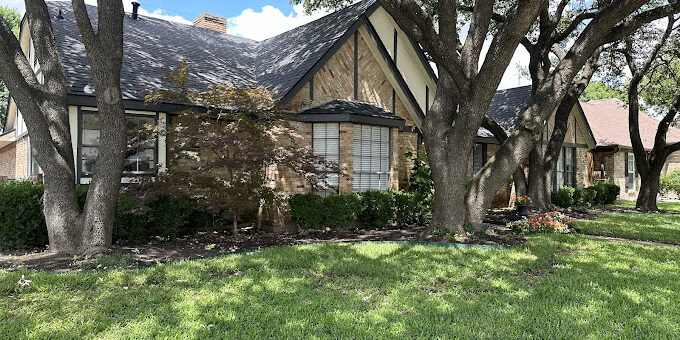
How Roof Replacement Improves Home Energy Efficiency
On a 102-degree August afternoon in Plano, most homeowners feel the same thing: that wall of heat the moment you step outside. What many don’t realize is how much of that heat is quietly slipping into the house through an aging roof—forcing your AC to run longer and harder than it should.
According to the U.S. Department of Energy, up to 25% of a home’s energy loss can occur through the roof and attic. In North Texas, where we battle triple-digit summers and sudden winter cold snaps, that number can be even higher if your roof is older, poorly ventilated, or storm-damaged.
This isn’t just about comfort. It’s about real money on your monthly utility bill and long-term wear on your HVAC system. A thoughtfully planned roof replacement can dramatically improve your home’s energy efficiency, stabilize indoor temperatures, and even increase resale value.
Key Insight: A new, properly designed roof doesn’t just stop leaks—it works as a complete energy system, reflecting heat, venting hot air, and insulating your living space from Plano’s extreme weather.
In this guide, you’ll learn how modern roofing materials, ventilation, and installation practices can turn your roof into an energy-saving asset, what that means in real dollars, and how to tell if it’s time to consider an upgrade.
The Roof’s Hidden Role in Your Energy Bills
Most homeowners in Plano think about the roof only when there’s a leak or missing shingles after a storm. But your roof is quietly influencing how much you pay every month to cool and heat your home.
How Your Roof Affects Energy Use
Your roof interacts with energy in three key ways:
- Solar heat gain – How much heat your roof absorbs from the sun
- Heat transfer – How much of that heat moves into your attic and living space
- Air flow – How well hot, moist air escapes from the attic
Older dark asphalt roofs, common in many Plano neighborhoods built in the 90s and early 2000s, tend to:
- Absorb more solar radiation
- Transfer more heat into the attic
- Work with outdated or undersized attic ventilation
That combination can easily push attic temperatures to 140–160°F in summer. Your AC is fighting against that heat all day.
“Your attic should act as a buffer zone—not a furnace sitting on top of your living space.” — Residential Energy Consultant
Local Example: West Plano Two-Story
A homeowner near Preston and Legacy had a 20-year-old roof with dark shingles and minimal ridge ventilation. Summer electric bills were regularly $350–$400 for a 2,400 sq. ft. home.
After a professional Roof Replacement with lighter, energy-rated shingles and upgraded ventilation, their average summer bill dropped by roughly 15%. The home also felt more comfortable on the second floor, where bedrooms used to stay uncomfortably warm.
A modern roof system can break this vicious cycle by reflecting more heat, reducing attic temperatures, and helping your HVAC work more efficiently.
Modern Roofing Materials That Keep Your Home Cooler
Not all shingles are created equal. The materials and colors you choose during a roof replacement can significantly change how much heat your home absorbs—especially under the Texas sun.
Cool Roof Technology in Everyday Shingles
Today’s asphalt shingles often come with “cool roof” technology: specialized granules that reflect more solar energy than traditional shingles, even in darker colors. Many of these products are tested to meet Energy Star or similar performance criteria.
Key features to look for:
- High solar reflectance – Bounces more sunlight away
- High thermal emittance – Releases absorbed heat more efficiently
- Lighter colors – Generally reflect more heat than very dark tones
In Plano’s climate, that can translate to attic temperatures that are 10–20°F cooler during peak summer hours.
Material Comparison: Traditional vs. Modern Options
Here’s a simplified look at how common roofing options perform on energy efficiency:
| Roofing Type | Typical Reflectivity | Energy Efficiency Impact in Plano | Notes |
|---|---|---|---|
| Older dark asphalt shingles | Low | Higher cooling costs | Common on homes 15–25 years old |
| Modern architectural shingles (cool-rated) | Medium to High | Reduced cooling load, better comfort | Popular upgrade for Residential Roof Replacement |
| Metal roofing (light color) | High | Significant energy savings, long life | Higher upfront cost, long-term ROI |
| Flat roof with reflective coating | High | Ideal for additions/low-slope areas | Common in modern and commercial designs |
Real-World Plano Case
A homeowner near Oak Point Park replaced a faded, dark 3-tab shingle roof with light gray architectural shingles featuring reflective granules. While exact savings vary, they reported:
- Noticeably cooler upstairs hallway in late afternoon
- AC cycling off more often during peak heat
- Lower average summer bill by about $40–$50
Choosing the right material is just one part of the equation. How that roof is ventilated and supported by the attic below matters just as much.
Ventilation and Insulation: The Energy Efficiency Power Duo
Even the most reflective roof can’t fix an attic that traps heat. Ventilation and insulation are the behind-the-scenes players that turn a good roof into an efficient roofing system.
Why Attic Ventilation Matters in North Texas
Proper ventilation:
- Releases hot air that builds up under the roof deck
- Reduces moisture that can damage decking and insulation
- Helps shingles last longer by lowering roof surface temperature
In Plano, where we swing between intense summer heat and occasional winter freezes, balanced attic ventilation (intake + exhaust) keeps your attic closer to outside temperatures, rather than becoming a heat reservoir.
Common components include:
- Soffit vents (intake)
- Ridge vents or box vents (exhaust)
- Baffles to keep air flowing above insulation
“Think of your attic as a lung for your house. It needs to breathe in cooler air and exhale hot air efficiently.” — Roofing & Ventilation Specialist
The Role of Insulation
Insulation, usually fiberglass batts or blown-in cellulose in Plano homes, slows heat transfer between the attic and your living space. When a roof is replaced, it’s the perfect time to assess whether your attic insulation meets current recommendations.
- DOE recommends R-38 to R-60 for attics in our region
- Many older homes in Plano are closer to R-19 or R-30
Local Example: East Plano Ranch Home
A one-story home built in 1995 near Shiloh Road had:
- Original roof
- Patchy, compressed attic insulation
- Minimal soffit ventilation
During a full Roof Replacement, the crew:
- Upgraded ridge vents
- Cleared and added soffit vents
- Coordinated with an insulation contractor to top off to R-49
The homeowner’s feedback: the house felt “less drafty in winter and less stuffy in summer,” and their HVAC technician noted shorter cooling cycles during a seasonal tune-up.
Stopping Energy-Wasting Leaks, Gaps, and Damage
Energy efficiency isn’t only about heat from the sun. Hidden roof damage, small leaks, and poor detailing can quietly waste energy and lead to bigger problems like moisture intrusion and mold.
How Roof Problems Drain Energy
Common issues that affect both comfort and efficiency:
- Minor leaks wetting insulation, reducing its R-value
- Gaps at flashing allowing air movement between attic and outdoors
- Damaged decking creating weak spots and temperature swings
- Improperly sealed penetrations (vents, chimneys, skylights)
Over time, these issues compound. Wet insulation, for instance, can lose up to 40% of its insulating power, forcing your HVAC to compensate.
“Water and air leaks are like leaving a window cracked year-round. You may not see it, but your energy bill feels it.” — Building Envelope Consultant
Plano Storm Reality
In Collin County, we see regular hail and wind events. Even when you don’t notice missing shingles, granule loss and micro-cracks can:
- Increase heat absorption at the roof surface
- Allow moisture to penetrate slowly into the underlayment and decking
- Degrade the roof system’s overall performance
A targeted Roof Repair can help in the short term, but if the roof is near the end of its life, a full replacement often restores both weather protection and energy performance.
Example: Hidden Damage in Central Plano
A homeowner near Collin Creek had no visible leaks inside but noticed rising energy bills and hot/cold spots. A professional Roof Assessment revealed:
- Hail damage on shingles
- Cracked pipe boot flashing
- Damp insulation around a vent
Replacing the roof, re-flashing penetrations, and addressing the damp insulation reduced drafts and helped stabilize indoor temperatures.
Energy Efficiency, Resale Value, and Long-Term Savings
A new roof is a significant investment, so it’s natural to ask how energy efficiency factors into long-term value. For Plano homeowners, the answer touches both monthly bills and overall home equity.
Monthly Savings vs. Upfront Cost
Every home is different, but energy-focused roof replacements commonly yield:
- 10–20% reduction in cooling costs in hot climates
- Noticeably improved comfort in upper floors and west-facing rooms
- Reduced strain and longer life for HVAC equipment
Here’s a simple view of potential impact for a typical 2,200 sq. ft. Plano home:
| Scenario | Estimated Monthly Summer Electric Bill | Notes |
|---|---|---|
| Aging dark shingle roof, poor ventilation | $280–$320 | AC runs long cycles, hot upstairs |
| New reflective shingle roof, balanced ventilation | $230–$270 | Shorter cycles, more even temps |
| New roof + upgraded attic insulation | $210–$250 | Best comfort and efficiency combo |
Resale and Marketability
In a competitive market like Plano and greater DFW, buyers pay attention to:
- Age and quality of the roof
- Energy efficiency features (ventilation, insulation, “cool” shingles)
- Utility bill history
A recent roof with energy-efficient features:
- Reduces buyer anxiety about near-term expenses
- Can justify a higher asking price
- Makes your home stand out in online listings
Real estate agents often highlight “new roof” and “energy-efficient upgrades” together, because they know buyers care about both.
Protecting Against Future Damage
Energy efficiency and durability go hand in hand. A well-designed roof:
- Handles storm stress better
- Keeps moisture under control
- Reduces the risk of costly issues like rot or interior water damage
If a past leak or roof failure has already caused interior issues, pairing a new roof with professional Water Damage Restoration ensures your home is dry, efficient, and protected from mold.
How to Know If Your Plano Home Needs an Energy-Efficient Roof Upgrade
You don’t need to be on your roof to spot signs that it may be hurting your home’s energy performance. Many clues show up inside the house—or on your utility statement.
Common Warning Signs
You may benefit from an energy-focused roof replacement if:
- Your roof is 15–20+ years old
- Summer electric bills have climbed over the past few years
- Upstairs or west-facing rooms are persistently hotter
- You see curling, cracked, or missing shingles
- There are dark streaks or algae growth on the roof surface
- You’ve had recurring attic moisture or minor leaks
“Any time you’re considering a major home improvement, ask not just ‘Will this fix the problem?’ but also ‘Will this make my home more efficient?’” — Home Performance Auditor
Plano Example: Growing Family, Growing Bills
A young family near Haggard Park noticed that:
- Their kids’ upstairs bedrooms were uncomfortably warm at bedtime
- Summer bills had jumped by about 25% over five years
- The roof was original to the 2001 build
A professional Professional Roof Inspection revealed:
- Aging shingles with granule loss
- Undersized ridge venting
- Attic insulation below current recommendations
By coordinating a new roof, upgraded ventilation, and added insulation, they were able to improve comfort significantly and bring bills back down closer to where they were several years prior—despite higher utility rates.
Turning Roof Replacement Into a Strategic Energy Upgrade
A roof replacement is more than a tear-off and re-shingle job. When done thoughtfully, it becomes a strategic upgrade to your home’s overall performance.
What an Energy-Conscious Roof Replacement Includes
A comprehensive approach typically covers:
- Full roof inspection and assessment
- Material selection with energy performance in mind
- Ventilation design (intake and exhaust balance)
- Flashing and detail work to prevent air and moisture leaks
- Coordination with attic insulation improvements where needed
Working with experienced Roofing Experts who understand both roofing and building science is critical. It’s not just about what’s on top—it’s how the whole system works together.
Local Expertise Matters
Plano homes range from 70s ranch-style houses to new builds in master-planned communities. Each era has its own quirks:
- Older homes may have limited soffit ventilation
- Early 2000s builds often have minimal insulation
- Newer homes may use more complex rooflines that demand careful flashing
A Licensed Roofing Contractor familiar with local construction practices, storm patterns, and code requirements can design a roof system that fits your specific home and neighborhood.
“Every roof we replace in Plano starts with a simple question: how can we make this home more comfortable and efficient for the next 20+ years?” — Local Roofing Contractor
What This Means for Homeowners in Plano, TX
Energy-efficient roofing isn’t a luxury in Plano—it’s a smart response to our climate. Between long, hot summers, strong sun exposure, and frequent hail and wind events, your roof works harder here than in many parts of the country.
Upgrading your roof with efficiency in mind can:
- Lower your monthly utility bills in a region with heavy AC usage
- Improve comfort in stubborn hot or cold rooms
- Protect your investment against storm damage and premature aging
- Boost resale value in a competitive North Texas housing market
Plano homeowners also have to think about severe weather. When storms roll through Collin County, a roof that’s already at the end of its life is more vulnerable to damage. That can lead not only to leaks, but also to hidden moisture issues that undermine insulation and air quality.
By planning ahead—rather than waiting for an emergency—you can:
- Choose higher-performing materials
- Optimize ventilation and insulation
- Avoid rushed decisions during peak storm season
- Coordinate with other projects, like remodeling or water damage repair
If you’re already considering updates such as kitchen remodeling or bathroom renovations, it’s worth stepping back and asking whether your roof is ready for the next 10–20 years. A home is a system, and the roof is a major part of that system.
For many Plano homeowners, the most valuable first step is a thorough, professional assessment of the roof and attic. From there, you can prioritize repairs, upgrades, or full replacement in a way that balances budget, efficiency, and long-term peace of mind.
Frequently Asked Questions
Q: How much can a new roof really lower my energy bills in Plano?
A: The exact savings depend on your home’s size, layout, and existing conditions, but many Plano homeowners see cooling cost reductions in the 10–20% range after an energy-conscious Roof Replacement. The biggest gains typically come from combining reflective roofing materials with proper attic ventilation and adequate insulation. Even if the monthly savings seem modest at first, remember they add up over the 20–30-year life of a quality roof—and you gain comfort and reliability along the way.
Q: My roof isn’t leaking. Why would I replace it for energy reasons alone?
A: A roof doesn’t have to leak to be underperforming. Older shingles can absorb more heat, ventilation may be inadequate, and attic insulation may have settled or deteriorated. All of this quietly drives up your energy use and reduces comfort, especially during Plano summers. A professional Roof Assessment or Professional Roof Inspection can reveal whether strategic repairs, upgrades, or a full replacement would give you a good return in both efficiency and durability before leaks or storm damage force an emergency decision.
Q: Will lighter-colored shingles look out of place in my neighborhood?
A: Not at all. Many modern architectural shingles come in attractive mid-tone grays, weathered woods, and lighter earth tones that blend well with typical Plano brick and stone exteriors. These colors often have improved reflectivity compared to very dark shingles, especially when they use “cool roof” granule technology. A knowledgeable Roofing Contractor Near Me can show you samples installed on local homes so you can see how they look in real sunlight, not just on a brochure.
Q: Can roof ventilation and insulation be upgraded without replacing the whole roof?
A: In some cases, yes. Adding soffit vents, installing additional box vents, or increasing attic insulation can improve comfort and efficiency even under an existing roof. However, certain upgrades—like continuous ridge vents or correcting poorly installed underlayment—are best done during a full Residential Roof Replacement. During an inspection, a contractor can explain which improvements make sense now and which are more cost-effective to address during future replacement.
Q: How do storms and hail affect my roof’s energy efficiency?
A: Hail doesn’t just create visible dents or missing shingles. It can knock protective granules off asphalt shingles, making them more prone to UV damage and heat absorption over time. Wind can lift shingles and compromise seals, allowing moisture and air movement. After a major storm, a Free Roof Inspection by Trusted Roofing Contractors can identify damage that may not be leaking yet but is already affecting both durability and efficiency. Addressing issues early helps keep your roof performing as a protective, energy-saving barrier.
Q: What if I already have water damage inside—should I fix that before replacing the roof?
A: If water has already made its way into your home, it’s important to address both the source (the roof) and the result (interior moisture). Many Plano homeowners coordinate Water Damage Restoration Services with a new roof installation. That way, damaged insulation, drywall, and framing can be properly dried, repaired, or replaced while ensuring the new roof prevents future intrusion. Ignoring interior damage can lead to mold, structural issues, and ongoing energy loss due to compromised insulation.
Q: How do I choose the right roofing company to focus on energy efficiency, not just shingles?
A: Look for Roofing Experts who talk about your home as a system, not just about shingle brands. They should be comfortable discussing ventilation, attic conditions, local building codes, and storm patterns in Plano. Ask whether their Roofing Services include a detailed inspection, photo documentation, and clear explanations of your options. A reputable Licensed Roofing Contractor will welcome your questions, provide references, and never pressure you into a decision before you understand the long-term implications for comfort, efficiency, and value.
Ready to Get Started?
North Texas weather doesn’t wait, and neither do energy bills. If your roof is aging, your summer electric costs keep creeping up, or certain rooms never feel quite comfortable, now is the ideal time to explore an energy-focused roof upgrade—before the next heat wave or hailstorm hits Plano.
Starting with a thorough inspection and honest assessment, you can understand whether targeted Roof Repair, ventilation improvements, or a full Roof Replacement will give you the best return. Planning ahead means you’re not making rushed decisions after a leak, and you can choose materials and designs that support your long-term comfort and budget.
Sunshine Roofing serves homeowners across Plano and the surrounding area with energy-conscious solutions, not one-size-fits-all fixes. From material selection to attic airflow, every detail is designed to help your home stay cooler in summer, cozier in winter, and more efficient year-round.
If you’re ready to see what an upgraded roof could do for your home’s comfort and energy use, reach out today to schedule an inspection and consultation.
About Sunshine Roofing
Sunshine Roofing is a locally focused roofing and remodeling company serving Plano, TX and nearby communities. With years of experience in North Texas weather and construction, our team specializes in high-quality Roof Replacement, Roof Repair, and integrated home improvement solutions. We’re committed to clear communication, honest recommendations, and workmanship that protects your home for the long term. Learn more about our services and story at Sunshine Roofing.
