
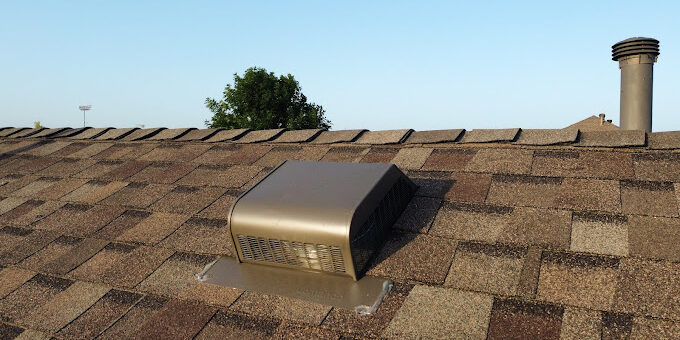
Roof Inspection Benefits for Home Insurance Claims
A spring hailstorm rolls through Plano, and the next morning you notice a few shingles in the yard. The roof still “looks” okay from the street, so you sweep up, snap a few photos, and call your insurance company. Weeks later, your claim is denied because there’s “insufficient evidence of storm-related damage.” Now you’re staring at a major repair bill you thought would be covered.
That scenario plays out all the time across North Texas. Our mix of hail, high winds, blazing sun, and sudden downpours is hard on roofing systems—and it creates a perfect storm of insurance disputes when damage isn’t documented properly from the start.
According to the Insurance Information Institute, wind and hail account for nearly half of all homeowners’ insurance claims nationwide. In Collin County and the greater DFW area, those numbers trend even higher. Yet many homeowners in Plano only think about a roof inspection after a leak shows up inside.
This guide explains how a professional roof inspection can strengthen your home insurance claim, protect your finances, and give you more control in the claims process. You’ll see how inspections work, what insurers look for, real examples from North Texas, and practical steps to take after the next storm.
Key Insight: A thorough, documented roof inspection turns a “maybe” claim into a well-supported case—often making the difference between an out-of-pocket roof replacement and an insurance-approved project.
Why Insurance Companies Care So Much About Roof Inspections
Insurance companies think in terms of risk, documentation, and liability. Your roof is one of the largest risk factors on your policy, and it’s also one of the hardest areas for a typical homeowner to evaluate accurately.
A professional roof inspection from experienced, Roof Leak Detection specialists gives the insurance adjuster something they can work with: clear photos, measurements, and a written report tying damage to specific events.
How insurers look at your roof
Insurers typically want to know:
- Is the damage sudden and accidental (like hail or wind), or gradual wear and tear?
- Is the roof within its expected lifespan?
- Has the homeowner kept up reasonable maintenance?
- Is there pre-existing damage that wasn’t reported?
Without a detailed roof assessment, adjusters often default to conservative assumptions—especially in high-claim regions like North Texas.
“If there’s no clear evidence a storm caused that damage, it’s much easier for a carrier to categorize it as ‘wear and tear’ and deny coverage.” — Veteran DFW Claims Adjuster
Local example from Plano
A homeowner near Legacy West called Sunshine Roofing after a hailstorm. Their insurer initially claimed the roof only had “cosmetic” damage. Our Storm Damage Roof Repair team performed a full inspection, documented fractured shingles, bruised impact marks, and compromised vents, and correlated the damage with the storm date and hail size. The revised claim was approved, and the homeowner received coverage for a full replacement instead of a patch job.
CALLOUT: The better your inspection documentation, the less room there is for an adjuster to downplay or misclassify your damage.
How a Professional Roof Inspection Strengthens Your Claim
A quality inspection does far more than say “your roof is damaged.” It builds a structured, evidence-based story that aligns with insurance standards. That’s why certified roof inspectors are such an asset in the claims process.
What’s included in a thorough inspection
A professional roof inspection service will typically cover:
- Exterior shingle or roofing material condition (hail bruising, cracks, granule loss)
- Flashings, valleys, and penetrations (common leak points)
- Gutters and downspouts (impact damage and drainage issues)
- Roof decking and structural concerns (if accessible)
- Attic space for signs of leaks, moisture staining, or inadequate ventilation
At Sunshine Roofing, we pair this with high-resolution photos, measurements, and a written report that can be shared directly with your adjuster.
Turning findings into claim support
In Plano, we see a lot of borderline cases after hail and wind events. A homeowner in East Plano, for example, had what looked like minor shingle scuffing. Our inspection revealed:
- Dozens of hail bruises large enough to shorten the shingle lifespan
- Damaged ridge caps
- Lifted shingles from wind, with exposed nail heads
Our report included:
- Marked photos with date stamps
- A roof diagram with damage density per slope
- A summary tying damage patterns to the storm’s wind direction and hail size
The adjuster used this documentation to justify full coverage for a residential roof replacement, instead of spot repairs that would have left the homeowner vulnerable later.
CALLOUT: Detailed inspection reports translate your roof’s condition into the language insurance companies use to approve claims.
Timing Matters: Pre-Storm, Post-Storm, and Annual Inspections
Most homeowners only schedule an inspection after they notice a leak. By then, you’re often dealing with both roof and interior damage—and your insurance company may question how long the problem has been going on.
Strategic timing can dramatically improve your chances of a smooth claim.
Pre-storm baseline inspections
In a storm-prone area like Plano, a free roof inspection before storm season creates a baseline. If your roof is documented as sound in March and hail hits in May, it’s much harder for an insurer to argue that damage was pre-existing.
We’ve seen this play out with a customer in West Plano who had a pre-storm inspection for a pending home sale. When a hailstorm delayed closing, the buyer’s lender required proof the roof hadn’t been compromised. Because we had pre-storm photos and notes, the seller’s insurance approved hail damage roof repair quickly and the sale stayed on track.
Post-storm inspections
After a significant storm, it’s wise to get a professional roof inspection even if you don’t see obvious damage from the ground. Many hail impacts and wind-related issues are subtle at first but cause problems later.
A prompt inspection can:
- Identify hidden damage before it leads to leaks
- Ensure you file your claim within policy deadlines
- Capture fresh evidence before normal wear muddies the picture
Annual roof maintenance inspections
Annual roof maintenance services act like routine checkups. They help catch small problems—like minor flashing gaps or sealant failures—before they become claim-triggering events.
Here’s a comparison of inspection timing strategies:
| Approach | Cost in Plano (Typical) | Claim Impact | Long-Term Benefit |
|---|---|---|---|
| No inspections | $0 upfront | Weak documentation, higher denial risk | Higher risk of surprise major expenses |
| Post-storm only | Usually free or low-cost | Good for storm claims, limited baseline | Helps after big events, not gradual issues |
| Annual + post-storm inspections | Usually free to modest | Strongest documentation trail | Extends roof life, fewer emergencies |
CALLOUT: In North Texas, pairing annual inspections with post-storm checks gives you the best mix of prevention and claim readiness.
Roof Inspections, Interior Damage, and Water Claims
Roof issues rarely stay on the roof. Once water gets in, you’re potentially dealing with drywall, flooring, electrical, and even mold concerns. That’s where roof inspections and water damage restoration intersect.
How roof documentation supports water damage claims
Insurers often separate “source of loss” (the roof) from “resulting damage” (interior). If the source is denied or deemed maintenance-related, your interior claim can unravel too.
We handled a case in Plano where a small, undetected roof puncture from flying debris led to a slow attic leak. Months later, heavy rain caused a ceiling collapse in the living room. Our inspection documented:
- The specific penetration in the roofing system
- Evidence that the damage pattern aligned with recent windstorms
- Moisture trails leading from the roof deck to the ceiling cavity
Combined with professional water damage cleanup records, the homeowner secured coverage not just for shingle roof repair, but also for drywall replacement, painting, and structural drying.
“The biggest mistake we see is homeowners drying out water and repairing interiors before the roof cause is properly documented.” — Sunshine Roofing Project Manager
Why immediate response matters
In Collin County’s humidity, standing water and wet building materials can start breeding mold within 24–48 hours. That’s why coupling an emergency roof repair visit with emergency water damage services is so important.
A coordinated response should include:
- Temporary roof tarping or emergency patching
- Moisture mapping inside the home
- Professional structural drying
- Documentation of all steps taken and conditions found
Avoiding Common Claim Pitfalls with a Qualified Roofing Partner
Not all local roofing companies are equal when it comes to insurance claims. A poor inspection or incomplete documentation can hurt your case just as much as no inspection at all.
Pitfall 1: Vague or incomplete inspection reports
Some contractors simply write “hail damage” on an estimate and call it a day. That might be enough to trigger an adjuster visit, but it rarely supports a contested claim.
A strong inspection report should include:
- Clear, close-up photos of damage with reference points
- Overview photos of each roof slope
- Notes on the type, extent, and location of damage
- Observations about the roof’s age, materials, and prior repairs
- Specific recommendations (e.g., roof tune up vs. full roof replacement)
Pitfall 2: Unlicensed or out-of-area contractors
After big storms in Plano, it’s common to see out-of-town crews knocking on doors. Some are reputable; many are not. Using a contractor without a track record in North Texas can backfire if your insurer questions their findings or workmanship.
Choosing a licensed roofing contractor with deep local experience signals to your insurer that the inspection and repair recommendations are credible.
Pitfall 3: Skipping interior and attic checks
A roof that “looks fine” on the outside can still be causing slow leaks inside. A thorough inspection should always include:
- Attic evaluation for staining, mold, and wet insulation
- Check of ceiling areas below suspect roof sections
- Review of ventilation, which can impact shingle life and coverage
We worked with a Plano homeowner whose initial claim was denied because the adjuster saw “no active leaks.” Our follow-up inspection found attic staining and elevated moisture levels along a rafter line. Once documented, the insurer reopened and ultimately approved the claim.
CALLOUT: The right roofing partner doesn’t just repair shingles—they help you navigate the insurance process with solid evidence and expert guidance.
Roof Inspections, Renovations, and Resale Value in Plano
Roof inspections aren’t just about storm damage; they also play a critical role during home renovation services and real estate transactions.
Inspections before renovations
If you’re planning a major project—like kitchen remodeling or bathroom renovations—your roof’s condition matters more than you might think. Construction dust, vibration, and changes to ventilation can stress an already marginal roofing system.
Smart Plano homeowners often pair renovation plans with a roof evaluation to:
- Confirm the roof can handle new vent penetrations or exhaust fans
- Address minor issues before they’re exacerbated by construction
- Coordinate timing so interior finishes aren’t ruined by future leaks
We had a client near Oak Point Park who scheduled a full home remodeling project. Our pre-renovation inspection uncovered aging shingles and brittle flashing. By tackling a residential roof replacement first, they avoided major headaches and protected their investment.
Inspections before listing your home
In a competitive Plano housing market, a clean roof inspection can be a powerful selling tool. Buyers (and their inspectors) often flag roof concerns as negotiation leverage. Having a recent, professional inspection report—and proof of any completed roof repair—can:
- Reduce last-minute surprises during buyer inspections
- Support your asking price
- Speed up closing, especially when lenders are cautious
Here’s how roof condition can affect your bottom line:
| Roof Condition at Listing | Typical Buyer Reaction | Impact on Sale Price / Timeline |
|---|---|---|
| Unknown / uninspected | Requests credits or price reduction | Lower offers, longer negotiations |
| Known minor issues, documented | Requests repairs or small concessions | Moderate impact, manageable delays |
| Recently inspected & improved | Higher confidence, fewer objections | Stronger offers, smoother closing |
What This Means for Homeowners in Plano, TX
Plano sits in the heart of “Hail Alley.” Between spring supercells, summer heat, and the occasional winter ice, your roof takes a beating. Insurance companies know this—and they price and process policies accordingly.
For homeowners here, that means:
- Claims may face more scrutiny due to the high volume of storm-related losses in our region.
- Roof age and condition can heavily influence policy terms, deductibles, and claim outcomes.
- Documentation is everything; “it looks damaged to me” doesn’t carry much weight without supporting evidence.
Working with a trusted local roofing company that understands both our climate and our insurance environment gives you a significant edge. Sunshine Roofing has inspected and repaired thousands of roofs across Plano and the greater DFW area, from older neighborhoods near Downtown Plano to newer developments in West Plano and Frisco-adjacent communities.
When a storm hits, you’re not just dealing with shingles—you’re dealing with adjusters, policy language, timelines, and the risk of secondary damage like leaks and mold. A well-documented inspection anchors that entire process.
For you as a homeowner, the benefits are clear:
- Stronger, more successful insurance claims
- Fewer surprises from hidden or delayed damage
- Better protection for your interior finishes and renovations
- Increased confidence when buying, selling, or upgrading your home
Roof inspections aren’t a luxury in Plano—they’re part of smart homeownership in a high-risk weather zone.
Frequently Asked Questions
Q: Will a roof inspection automatically trigger a claim or raise my insurance rates?
A: No. A roof inspection by a contractor like Sunshine Roofing is separate from an insurance claim. We’re simply evaluating your roof’s condition and providing documentation. You decide whether to involve your insurer. Many Plano homeowners use inspections to monitor roof health, plan for eventual roof replacement cost, or confirm damage after a storm before making a claim. Rates are generally influenced more by regional risk and overall claim history than by an inspection itself. If we do find significant storm-related damage, we can help you understand whether it’s likely worth filing a claim.
Q: How soon after a hailstorm should I schedule a roof inspection?
A: As soon as it’s safe and practical. In North Texas, most policies have time limits for filing hail damage roof repair claims, and evidence is clearest shortly after the storm. Granule loss, impact marks, and subtle shingle bruising are easier to document before normal wear or additional weather events occur. Many Plano homeowners call us within a few days of a major storm. Even if you don’t see visible damage from the ground, a professional roof inspection can uncover hidden issues that might cause leaks months later.
Q: What if my insurance adjuster says there’s no damage, but my roofer disagrees?
A: This happens more often than you might think, especially after widespread storms. Adjusters are under pressure to process many claims quickly. If our inspection finds legitimate damage that was overlooked or minimized, you can request a re-inspection. Having a detailed report from experienced roofing experts—with photos, measurements, and a clear explanation—strengthens your case. In many Plano cases, adjusters have revised their assessments after reviewing our documentation or meeting us on-site to walk the roof together.
Q: Do I need a new roof, or can I just repair the damaged areas?
A: It depends on the extent, type, and distribution of damage. Localized issues—like a small area of lifted shingles or minor roof flashing repair needs—can often be addressed with targeted roof repair. However, widespread hail bruising, significant wind damage, or an older roof near the end of its lifespan may justify a full residential roof replacement. Insurers typically look at whether repairs will restore the roof to its pre-loss condition. Our inspection report will outline options, and we’ll explain when a repair is appropriate versus when replacement is the more durable, cost-effective solution.
Q: How does a roof inspection tie into water or mold issues inside my home?
A: Insurers want to understand the “source of loss” before approving water damage restoration services. If your roof is the source, documenting exactly where and how it failed is critical. Our inspections often work hand-in-hand with structural drying services and mold prevention after water damage. For example, if a wind-damaged section of roof allowed rainwater into your attic, we’ll document the exterior damage and the path of water intrusion. This supports coverage not just for leaky roof repair, but also for interior cleanup, drying, and repairs. Without that link, carriers may argue the damage is maintenance-related.
Q: Are roof inspections really free, or is there a catch?
A: At Sunshine Roofing, many storm-related roof inspection services are offered at no cost to the homeowner. The goal is to assess damage accurately and help you decide on next steps, whether that’s minor maintenance, a roof tune up, or supporting an insurance claim. There’s no obligation to file a claim or choose us for the work, though most Plano homeowners appreciate having a trusted local partner for both roofing services and related needs like water damage cleanup. We’ll always be upfront about any fees for specialized inspections or reports.
Q: Can a roof inspection help if I’m planning other home improvements?
A: Yes. If you’re investing in home improvement services such as interior renovations or exterior upgrades, it’s smart to know your roof’s condition first. A sound roof protects your new finishes and helps you avoid disruptive leaks in the middle of a project. We often coordinate with home remodeling contractors in Plano to sequence roofing solutions ahead of major interior work. If your roof is marginal, we may recommend addressing it now—sometimes with insurance assistance if storm damage is present—rather than risking damage to your new kitchen or bath later.
Ready to Get Started?
North Texas weather isn’t going to get gentler, and insurance policies aren’t getting simpler. The best time to protect yourself is before the next big storm rolls through Plano.
A professional roof inspection from Sunshine Roofing gives you:
- A clear picture of your roof’s current condition
- Strong documentation to support potential insurance claims
- Early warning of issues that could lead to leaks or water damage
- Peace of mind that your home—and your renovation plans—are protected
Whether you’ve just been through a hailstorm, you’re noticing suspicious ceiling spots, or you simply haven’t had your roof checked in a few years, now is the right time to act. Our local team can schedule a prompt inspection, walk you through the findings, and, if needed, coordinate everything from emergency roofing services to full roof replacement and interior water damage restoration.
You don’t have to navigate the claims process alone. Sunshine Roofing has been helping Plano homeowners protect their properties and their budgets for years, with honest advice and quality workmanship.
About Sunshine Roofing
Sunshine Roofing is a locally owned roofing and remodeling company serving Plano, TX and the greater DFW area. Our team specializes in quality roofing services, including inspection, roof repair, and roof replacement, as well as interior home renovations and water damage restoration. With deep experience in North Texas storm patterns and insurance practices, we help homeowners protect their investments with straightforward guidance and dependable craftsmanship. Learn more about our services at Sunshine Roofing.
