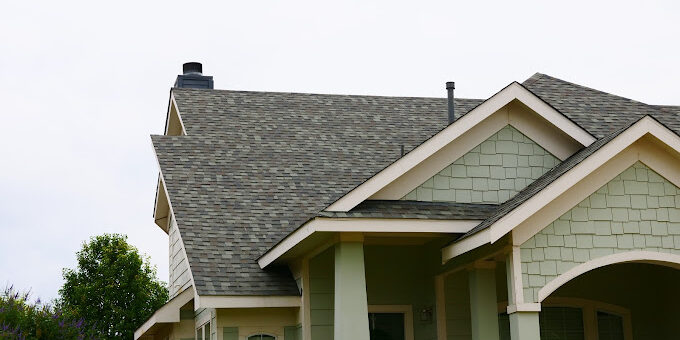
Industry studies show that more than 70% of premature roof failures are not caused by the original materials, but by improper repairs and overlooked details during maintenance. In other words, it is not always the storm that ruins the roof in Plano, TX; it is often the shortcuts taken afterward. When a roof is patched quickly without a plan, without understanding how water travels, or without matching materials and ventilation needs, those “repairs” can quietly set the stage for leaks, mold, and expensive structural damage a few years down the road.
That is why talking about the critical elements in roof repair services is not just a technical conversation; it is a conversation about protecting your home, your safety, and your budget. For homeowners in Plano, where hail, high winds, and intense sun all take turns attacking shingles and flashing, the difference between a basic patch job and a carefully executed repair by a team like Sunshine Roofing can mean years of added roof life. The most important parts of a roof repair are often the things you don’t see: the inspection process, the way the repair is integrated with the existing system, and the decisions that are made before the first shingle is lifted.
Instead of focusing only on “fixing the leak,” effective roof repair services consider the entire roofing system as a living, interconnected structure. From decking and underlayment to ventilation and flashing, each component plays a role in how your roof handles North Texas heat, sudden downpours, and the occasional ice event. Understanding these critical elements helps you ask better questions, recognize quality workmanship, and make informed decisions when you invite a Plano roofing contractor onto your property.
Thorough Inspection And Diagnosis
Every successful roof repair in Plano starts long before a hammer hits a nail. The first critical element is a thorough inspection that goes beyond the obvious water stain on the ceiling or missing shingle on the slope. Professional roofers from Sunshine Roofing will typically evaluate the entire roof plane, the attic space, and the surrounding structures because leaks are notorious for traveling. Water can enter at one point, run along rafters or underlayment, and finally show up as a stain many feet away from the true source.
A high-quality inspection includes checking shingle condition, granule loss, soft spots in the decking, flashing around chimneys and vents, and the condition of sealants and caulking. In Plano, where hailstorms can bruise shingles without fully puncturing them, an untrained eye might miss subtle impact damage that shortens roof life. A trained inspector understands how to spot these early signs and document them accurately, which is especially important if an insurance claim is involved.
Attic inspection is another critical, but often overlooked, part of diagnosis. Moisture staining on rafters, rusted nails, compressed insulation, or signs of mold can reveal long-term ventilation or leak issues. If a roofer simply seals the visible leak without addressing poor airflow or trapped moisture, the problem will likely return. The inspection phase is where the roofer builds a complete picture of your roof’s health, so cutting corners here is one of the most dangerous mistakes a homeowner or contractor can make.
Using The Right Materials
Once the problem is accurately diagnosed, the next critical element is material selection. Not all shingles, underlayments, or flashing products are created equal, and not every material is suitable for Plano’s climate. Sunshine Roofing must match the new materials to your existing roof system, taking into account manufacturer specifications, wind ratings, and UV resistance. Using a cheaper, mismatched shingle might save a few dollars today but can void warranties or create uneven wear patterns that show up in a few seasons.
Underlayment choice is particularly important in North Texas, where heat can be intense. High-quality synthetic underlayment often performs better than older felt products because it resists tearing, wrinkling, and moisture absorption. When a repair requires removal of shingles down to the decking, replacing or extending underlayment correctly helps restore the water-shedding design of the roof. This layer is largely invisible when the job is done, but it is a key line of defense against wind-driven rain.
Flashing and sealants also deserve careful attention. Using generic caulk where a metal flashing should be installed is a common shortcut that leads to future leaks, especially around chimneys, skylights, and wall intersections. Proper roof repair in Plano involves using corrosion-resistant flashing metals, compatible fasteners, and sealants rated for exterior UV exposure and temperature swings. High-quality materials, properly integrated, create a repair that behaves like part of the original roof rather than a fragile patch.
Correct Repair Techniques
Even the best materials will fail if they are installed incorrectly. The third critical element in roof repair services is the actual technique used to execute the repair. Sunshine Roofing technicians must follow both manufacturer installation guidelines and local building codes for Plano, TX. That includes correct nailing patterns, appropriate fastener length, and proper overlap of shingles and underlayment. A shingle nailed too high, for example, may not hold properly in high winds, while one nailed too low can create a direct path for water intrusion.
Shingle integration is another key detail. When replacing damaged shingles, they must be woven and sealed into the existing roof in a way that preserves the water flow pattern. Simply sliding a new shingle under or over the old ones without paying attention to alignment, adhesive strips, and exposure can cause wind uplift or water backup. Experienced roofers know how to gently lift existing shingles, remove nails without tearing the mat, and install new pieces so that the repair is virtually invisible and structurally sound.
For more complex repairs, such as replacing a section of rotten decking or reworking a problematic valley, technique becomes even more critical. The contractor needs to ensure proper slope, secure fastening of new decking, and continuous underlayment coverage before shingles are reinstalled. In Plano’s sudden downpours, valleys and low-slope transitions are frequent leak points, so any repair in these areas must be executed with extra precision. Poor technique here does not just risk another leak; it can compromise the structural support of the roof over time.
Water Management And Flashing
Roofs are not designed to be watertight in the sense of a swimming pool; they are designed to manage and shed water efficiently. That is why water management is one of the most critical elements in any roof repair. When Sunshine Roofing addresses a leak in Plano, the team is not only stopping water at the entry point, but also ensuring that the repaired area channels water away properly. This includes checking slope, valley design, and the condition of gutters and downspouts that collect runoff.
Flashing plays a starring role in this water management system. Anywhere the roof meets a vertical surface or a penetration, such as a vent pipe or chimney, flashing is responsible for redirecting water. Repairing these areas often means more than applying a new bead of sealant. It can involve removing siding or trim to correctly install step flashing along a wall, replacing rusted chimney counter-flashing, or installing new boot flashings around plumbing vents that have cracked in the Texas sun.
In older Plano homes, previous repairs may have relied heavily on caulk or roofing cement instead of properly installed metal flashing. While these “band-aid” fixes might hold for a short period, they rarely survive multiple storm seasons. A quality roof repair service will remove failed materials, inspect the underlying structure, and rebuild the flashing system correctly. This attention to water flow and flashing integrity is what separates a quick fix from a durable solution that protects your home for years.
Ventilation, Insulation, And Roof Health
Another critical element that many homeowners do not connect with roof repairs is attic ventilation and insulation. In Plano, hot summers can turn an under-ventilated attic into an oven, baking the underside of your shingles and causing them to age prematurely. When Sunshine Roofing inspects a roof for leaks or damage, the team should also evaluate whether hot air is being properly exhausted and fresh air is entering at soffits or eaves. A leaky roof might actually be a symptom of long-term heat and moisture buildup that has weakened materials.
Proper ventilation works hand in hand with insulation. If insulation is compressed, missing, or wet from previous leaks, it cannot do its job of regulating indoor temperature and preventing condensation. During a repair, discovering damp insulation is a red flag that moisture has been present for some time. Simply patching the surface of the roof without addressing damaged insulation can leave you with hidden mold risks and higher energy bills.
Addressing ventilation and insulation during a roof repair is not just about comfort; it is about extending the life of your roof system. Balanced airflow helps keep shingle temperatures lower, reduces the risk of ice dams during rare cold snaps, and minimizes condensation that can rot decking. When a Plano roofing contractor includes this evaluation as part of the repair process, you gain a more holistic solution that supports overall roof health instead of a narrow, surface-level fix.
Local Expertise, Codes, And Customer Communication
The final critical element in roof repair services is the human factor: local expertise and clear communication. Roofing in Plano, TX is not the same as roofing in a coastal or northern climate. Sunshine Roofing must understand local storm patterns, hail risk, building codes, and typical construction methods used in area homes. This knowledge informs decisions about material choices, wind ratings, and even how to stage repairs around rapidly changing Texas weather.
Compliance with local codes and manufacturer requirements is more than a paperwork issue; it affects your safety and your roof’s warranty status. Proper permitting, when required, and adherence to installation guidelines ensure that your repaired roof can withstand high winds and driving rain. If a future storm causes damage, having a documented, code-compliant repair history can also make insurance conversations smoother, because it shows the home was maintained to recognized standards.
Equally important is how your roofing contractor communicates with you. Quality roof repair services involve explaining findings from the inspection, presenting options with clear pros and cons, and providing realistic timelines and costs. When you understand why a particular repair method is recommended, or why certain materials are necessary, you can make confident decisions. A reputable company will answer questions openly, provide photos or videos of damage, and keep you updated from the first visit to the final cleanup.
Frequently Asked Questions
How do I know if I need a roof repair or a full replacement? The decision between repair and replacement depends on the extent and pattern of damage, the age of your roof, and the condition of key components like decking and flashing. If your roof in Plano has isolated damage from a single storm event, such as a few missing shingles or one leaking area, a well-executed repair by Sunshine Roofing may be sufficient and cost-effective. However, if you see widespread granule loss, curling shingles, multiple leak points, or your roof is nearing the end of its expected lifespan, a replacement may be the smarter long-term investment. A detailed inspection by Certified roof inspectors can help you make an informed choice.
How long should a professional roof repair last? A properly executed roof repair using quality materials and correct techniques should last many years, often until the rest of the roof reaches the end of its service life. For example, if your 10-year-old roof has a small area repaired due to wind damage, you can reasonably expect that repair to perform well for the remaining lifespan of the roof, assuming no major new storms or underlying structural issues. In contrast, quick fixes using cheap sealants or mismatched shingles may fail within a season or two, especially under Plano’s intense sun and occasional hail. The longevity of a repair is directly tied to the thoroughness of the inspection and the skill of the installer.
What are the warning signs that my roof repair was not done correctly? Common red flags include continued or recurring leaks in the same area, shingles that appear loose, misaligned, or different in color or texture, and visible gaps around flashing or roof penetrations. Inside your home, new water stains on ceilings or walls after rain, musty odors in the attic, or increased energy bills can indicate that something is wrong with the repair or ventilation. If you notice debris left behind, nails on the ground, or a lack of documentation and explanation from your contractor, those can be signs of poor workmanship and lack of attention to detail.
How often should my roof be inspected in Plano, TX? For homes in Plano, it is wise to schedule a professional roof inspection at least once a year, plus after any major hail or wind event. The combination of strong sun, temperature swings, and severe thunderstorms can cause gradual wear that is not obvious from the ground. Regular inspections by a company like Sunshine Roofing allow small issues to be caught and repaired before they turn into major leaks or structural problems. This proactive approach often saves homeowners substantial money and extends the life of the roof system.
Can I perform roof repairs myself, or should I always hire a professional? While handy homeowners may be tempted to replace a shingle or apply sealant themselves, roof repair is more complex and risky than it appears. Working on a roof involves safety hazards from falls, and an incorrect repair can trap water, void warranties, or create hidden damage that costs far more to fix later. Professional roofers bring specialized training, safety equipment, and knowledge of local codes and manufacturer guidelines. For most Plano homeowners, hiring a qualified contractor like Sunshine Roofing is the safest and most reliable way to ensure that critical roof repairs are done correctly and will stand up to North Texas weather.