
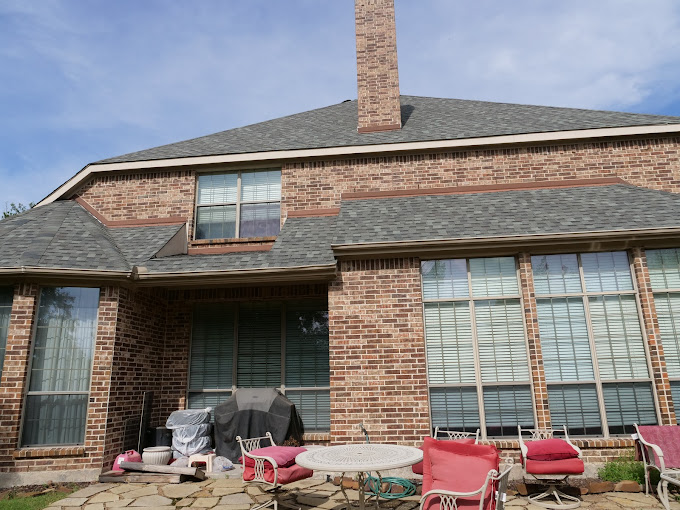
After hail, high winds, or heavy rain rolls through Plano, TX, roof damage can be subtle at first. This guide helps you spot the warning signs, understand what a professional roof inspection looks for, and decide what to do next with confidence.
You might be able to see the storm’s effects from the ground: branches down, gutters bent, or a few spots where rain pooled longer than usual. But roof damage often shows up later, especially with asphalt shingle roofs where hail impacts and wind-lifted shingles can hide under layers and debris.
If you’re wondering whether you should get a roof inspection in Plano, TX, you are not alone. The goal of this guide is to help you recognize the signs that matter most, so you can protect your home before small issues turn into costly roof repair or water damage.
- Quick answer
- What to check first
- Main things customers should understand
- Why this matters in Plano, TX
- Common mistakes to avoid
- Customer checklist
- Frequently asked questions

Quick Answer
If you experienced hail, strong wind, or driving rain, schedule a roof inspection when you notice missing granules, lifted or displaced shingles, new leaks, or water stains on ceilings and exterior walls. Even if the roof looks “mostly fine,” storm damage can be hidden. A professional roof inspection helps confirm whether you need roof repair or roof replacement and whether water intrusion is already happening. If there is any active leak or visible interior staining, prioritize assessment quickly and address the source before repairs spread.
What to Check First
Start with the evidence that storm impacts are affecting roof performance. Walk the perimeter of your home and look for changes since the storm: overflowing gutters, obvious roof debris, or new damp spots near roof penetrations like vents and plumbing stacks. Then check the roof from a safe vantage point, focusing on the areas most exposed to wind and hail.

Shingles and surface clues
Look for missing, cracked, or curled shingles. If you see dents or bruising after hail, it can be a sign of granule loss that may lead to faster wear. Also check for shingle edges that look “lifted” or out of alignment, which wind can cause.
Gutters and downspouts
Granules and small hail debris often wash into gutters first. If downspouts are clogged or gutters overflowed during the storm, water may have backed up and found a path into vulnerable areas.
Interior warning signs
Ceiling stains, bubbling paint, or damp spots near attic vents are common indicators of roof leak detection needs. Even if the leak is not constant, storm-driven water can enter and take time to show up indoors.
Inspection focus: Areas around roof vents, flashing, roof edges, and penetrations often reveal storm-related issues first.
Main Things Customers Should Understand
After storms, it is not just about whether shingles look damaged. A roof inspection also evaluates how the roof system is shedding water and protecting the structure. In Plano, TX, that means paying close attention to wind-driven rain paths, flashing condition, and whether granule loss is accelerating wear.
Professional observation: The most concerning storm damage is sometimes the kind you cannot see from the ground. Wind can loosen shingles and compromise seals, while hail can reduce granules and expose the roofing surface to faster deterioration.
| What you notice after the storm | What it may indicate | Why an inspection helps |
|---|---|---|
| Missing or scattered shingle granules | Hail impact and early surface wear | Confirms the extent of damage and whether roof repair is enough |
| Lifted, curled, or displaced shingles | Wind damage and compromised sealing | Helps determine if water intrusion is possible under edges |
| New leaks or damp drywall/ceiling spots | Roof leak detection needs | Identifies the source before it spreads to insulation and framing |
| Loose flashing around vents or chimneys | Water entry at roof penetrations | Evaluates flashing repair needs and related roof sealing |
Practical recommendation: If you see any active leak, interior staining, or obvious shingle displacement, prioritize a professional roof assessment. Waiting for “the next rainy day” can turn a localized roof repair into a larger water damage restoration issue.
Why This Matters in Plano, TX
In Plano, TX, roofs are exposed to a mix of severe weather patterns. When hail hits and high winds follow, damage can show up in multiple roofing components at once, not just the shingles. That is why Sunshine Roofing focuses on a thorough roof inspection rather than a quick visual check.
From what we commonly see on residential roofing services in the area, the timing matters. Water intrusion can begin during the storm, but interior clues may appear days later, especially after temperatures shift and areas dry and re-wet. A professional inspection helps connect the storm event to the current symptoms, which is the difference between guessing and knowing.
Get a Roof Assessment in Plano, TX
If you suspect storm damage, a professional roof inspection can help you understand whether you need roof repair or roof replacement. Call Sunshine Roofing for a practical evaluation of your property.
(214) 532-8878Common Mistakes to Avoid
After a storm, it is easy to miss details that later become expensive. Avoid these common mistakes so you do not end up paying for more than you need.
- Ignoring interior ceiling stains because the leak seems “small.”
- Relying only on the roof from the ground. Many storm impacts are subtle up close.
- Waiting until the next heavy rain to “confirm” a leak.
- Attempting DIY repairs on lifted shingles or compromised flashing.
- Assuming water in the attic is always insulation-related instead of a roof leak source.
Customer Checklist
Use this checklist right after a storm to organize what you have noticed and what to ask during a roof inspection services visit. This helps the process move efficiently and keeps the discussion focused on your roof assessment.
- Record the storm date and any high-wind or hail timing you remember.
- Check gutters and downspouts for granules and debris buildup.
- Look for visible shingle damage from safe locations and note affected roof areas.
- Inspect attic access points for damp insulation, water stains, or active drip points.
- Walk the interior perimeter for ceiling stains, bubbling paint, or damp drywall.
- Note any roof penetrations that may have shifted: vents, exhaust pipes, and plumbing boots.
- Prepare questions about roof leak detection, flashing repair, and whether roof replacement is needed.
Representative scenario (Plano homeowner)
A Plano homeowner noticed a few ceiling spots after a storm with hail and strong winds. From the street, the roof looked intact, but gutters were full of granules. During an inspection, the team identified storm-related shingle displacement near a roof edge and evaluated roof flashing around a vent. Addressing the roof repair source helped prevent ongoing water intrusion and reduced the chance of additional interior damage.
Frequently Asked Questions
If you are weighing whether to schedule a roof inspection after storms, these questions cover what homeowners in Plano, TX typically want to know.
How soon after a storm should I schedule a roof inspection?
If you see any interior leaks, ceiling stains, or obvious shingle displacement, schedule a roof inspection as soon as you can. For storm events where the roof looks mostly fine, getting a professional roof assessment within a reasonable timeframe still helps catch hidden issues before they worsen. The key is to avoid waiting for repeated rain to “confirm” a problem, since water intrusion can start during the storm and show up later.
What does a professional roof inspection usually include?
A professional roof inspection focuses on how the roof system is performing, not just whether shingles appear damaged. It typically includes checking roof edges, flashing around penetrations, visible shingle condition, and signs of potential water entry pathways. If there are interior symptoms, the inspection also considers likely leak sources. The goal is to provide clear guidance on roof repair versus other roofing solutions, grounded in what is actually happening on your roof.
Can hail damage show up later even if shingles look okay?
Yes. Hail impacts can cause damage that is not always obvious from a quick look. Granule loss and micro-damage may not be immediately visible, but it can reduce protection and make the roof more vulnerable to future weather. Wind can also loosen or lift shingles around edges. That is why a professional roof inspection services visit can be helpful after hail and wind events.
Should I be concerned if I only see minor leaks?
Even “minor” leaks can lead to bigger problems if they persist or keep reoccurring. Water can travel along surfaces, soak into materials, and eventually reach insulation or interior finishes. A roof inspection can help with roof leak detection and pinpoint the source so roof repair addresses the root cause. If water has already entered the structure, it may also be necessary to evaluate water damage restoration options, depending on what the inspection finds.
Do you handle both residential and commercial roofing inspections?
Sunshine Roofing provides roofing solutions for both residential and commercial properties. If your building has a different roof type or maintenance needs, a professional roof assessment can still identify storm-related vulnerabilities and the most practical next steps. During the inspection, the focus remains the same: finding where water could enter and deciding whether roof repair or roof replacement is the right approach for your situation.
Ready for a Professional Roof Inspection?
Storm damage can be sneaky, and the faster you clarify what is happening on your roof, the easier it is to protect your home. Contact Sunshine Roofing in Plano, TX for roof repair and roof replacement guidance.
Visit Sunshine Roofing
About Sunshine Roofing
Sunshine Roofing is a local roofing contractor serving Plano, TX and surrounding areas with residential roofing services and commercial roofing support. From roof inspection services to roof repair and roof replacement, the team focuses on practical roof assessments that help property owners understand storm damage and choose the right roofing solutions. If you’re dealing with leaks, hail damage roof repair, wind damage roof repair, or water damage restoration, Sunshine Roofing can help you map out next steps.
Explore related services: roof repair, roof replacement, water damage restoration, or storm damage roof repair.