
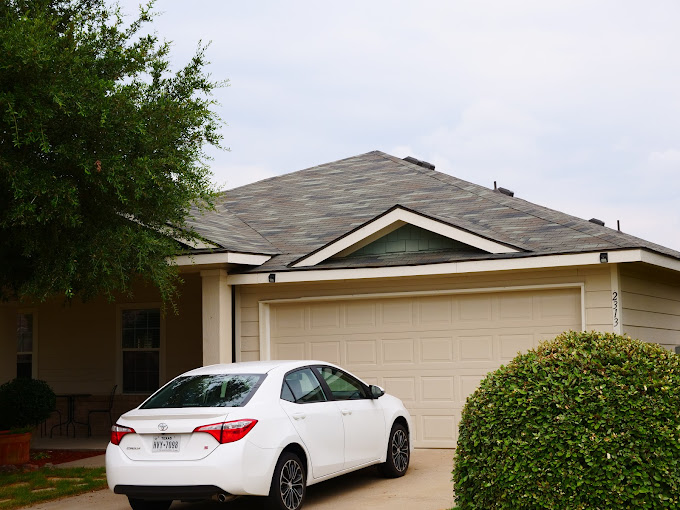
Roof Replacement Signs After Storm Damage and Leaks
After a bad storm, you may notice water stains on the ceiling, damp spots around vents, or a drip that shows up only during heavy rain. In Plano, TX, that can be especially stressful because weather swings can turn a small roof issue into repeated wetting over days.
You might wonder whether roof repair will be enough, or if you are already seeing the point where a full roof replacement is the safer long-term move. This guide will help you recognize the most common “replacement signals,” understand what to check first, and know what questions to ask during a professional roof assessment.
- Quick answer
- What to check first
- Main things customers should understand
- Why this matters in Plano, TX
- Common mistakes to avoid
- Customer checklist
- Frequently asked questions
Quick Answer
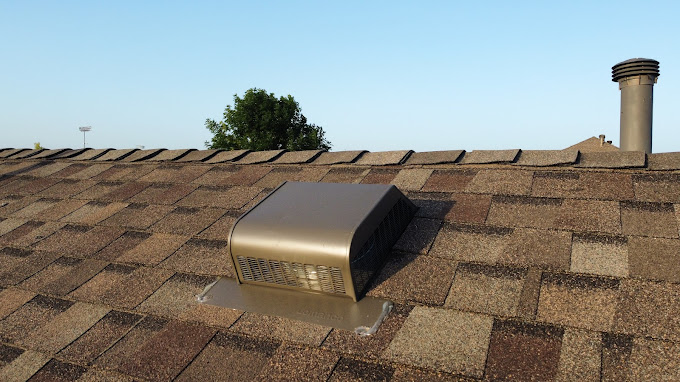
If you see active leaking, widespread shingle damage, or signs the underlayment is already wet, a repair may not last and a roof replacement may be the practical next step. Start by checking the area around penetrations (vents, chimneys, and skylights) and the spots where stains appear indoors. Then focus on the condition of the roof surface and edges: curled, missing, or severely damaged shingles, plus recurring leaks, are strong indicators you should get a professional roof inspection. For the best decision, schedule a roof inspection services visit with a licensed roofing contractor.
What to Check First
Before you call someone out, you can gather helpful clues. Start with the interior: note where water shows up, whether it is near a seam or a penetration, and if the stains grow after rainfall. Next, look from the attic if you have access: damp insulation, darkened wood, or water tracks can point to the true entry point, which is often not directly above the stain.

On the exterior, inspect the roof from the ground for obvious storm-related issues. Look for missing shingles, granules in gutters, lifted edges, and any areas that look uneven. If you can do so safely, check flashing around vents and other roof penetrations for gaps or signs of separation.
Professional observation: When leaks show up after storms, the problem is often a combination of damaged shingles and compromised sealing around roof details. A targeted roof repair can help if the damage is limited, but repeated wetting usually means the layers underneath may already be affected.
Main Things Customers Should Understand
Whether you need residential roof replacement or just roof repair usually comes down to how much of the roof is compromised and how far moisture has traveled. A professional roof assessment looks at the surface, the underlayment, and the roof system details that guide water away from your home.
Storm damage that keeps returning
After hail, wind, or heavy rain, small issues can expand. If you patch a spot and the leak returns during the next storm, it is often a sign the underlying layers are not staying dry.
Widespread shingle failure
Curled, cracked, or missing shingles across multiple sections can be difficult to address piecemeal. At that point, “patching” may not restore the roof’s overall water-shedding function.
Wet materials inside the roof
If insulation or sheathing shows ongoing moisture, the leak has already done more than skin-deep damage. That is where replacement decisions become more about preventing recurring problems.
Representative scenario (what it often looks like)
A Plano homeowner notices a new ceiling stain after a hail event. A quick patch is attempted around a visible area near a vent, but the next heavy downpour brings another drip on the opposite side of the room. During a roof inspection, the roofing system shows multiple areas of shingle impact and loosened seals at roof details. The team focuses on the full roof condition and recommends roof replacement to prevent future leaks from the same compromised zones.
Hand-first observation from the jobsite: In the field, the “most convincing” replacement signals are usually not just the visible shingle damage. They are the patterns: where water is entering, where materials have stayed damp, and whether roof details like flashing and vent boots are still doing their job after storms.
Decision table: repair vs. replacement
| Roof condition signal | More likely repair | More likely roof replacement |
|---|---|---|
| Leak location | One small, clearly identified entry point | Multiple spots or recurring leaks after storms |
| Shingle condition | Limited damage in a localized area | Widespread cracking, curling, missing shingles, or granule loss |
| Roof layers affected | No evidence of prolonged wetting inside the roof system | Damp insulation, darkened sheathing, or water tracks |
| Roof details | Flashing and penetrations are intact or easily restored | Flashing/penetration sealing appears compromised across areas |
Why This Matters in Plano, TX
In Plano, TX, storms can bring a mix of wind-driven rain and hail impacts that stress roof edges, vent boots, and flashing. That matters because many leaks do not originate where the stain ends up. The water can travel along the underside of roofing materials and then show up in a different spot inside your home. Getting a professional roof inspection services review helps connect the indoor signs to the actual roof entry points.
If you are dealing with more than just a roof leak, consider how water cleanup and drying affects your decision. For example, you may need water damage restoration steps to protect interior materials while the roofing issue is resolved.
Roofing services that pair well with leak response
If you are comparing options for residential roofing services, you can review roof repair and roof replacement to understand how each approach is typically handled.
When leaks affect more than the roof
For customers who are also seeing interior moisture, water damage restoration can help address cleanup and structural drying needs alongside roof repairs or replacement.
Whole-home upgrades after storm repairs
Some homeowners choose home renovation services after roof work, especially if the ceiling or interior framing needed attention. Learn more about home renovations to plan the next steps.
Get a Professional Roof Assessment in Plano, TX
If you are trying to decide between roof repair and roof replacement, a careful roof assessment helps you avoid repeated patchwork. Sunshine Roofing can evaluate the roof system condition, identify likely leak entry points, and guide you toward the most practical Roofing Solutions for your home.
Contact Sunshine RoofingPrefer to talk first? Call (214) 532-8878.
Common Mistakes to Avoid
After a storm, it is common to want to “do something fast.” The problem is that the wrong fix can leave moisture trapped and make the next leak more expensive. The following mistakes are some of the most frequent reasons homeowners end up needing a fuller roof replacement.
Common mistakes:
- Only chasing the ceiling stain: Stains can show where water ended up, not where it entered the roof.
- Temporary caulking over flashing issues: If vent boots or flashing are separated, sealing the surface without correcting the root cause can fail under rain and temperature changes.
- Waiting too long after repeated wetting: When the roof system stays damp, the risk increases for damage to underlayment and interior materials.
- Assuming “one missing shingle” is the whole problem: Storm impacts can be broader than what is visible from the ground.
Customer Checklist
Use this quick checklist to prepare for your roof inspection and to keep your decision-making organized. Taking a few notes now can make the inspection more efficient and help you understand what needs attention.
- Write down when the leak started and what the weather was like (hail, wind, heavy rain).
- Mark the interior stain locations and whether they grow after each storm.
- Check the attic (if accessible) for damp insulation, darkened boards, or water tracks.
- Look for granules in gutters and downspouts after the storm.
- Inspect roof edges, penetrations, and flashing areas for lifting, gaps, or missing shingles.
- Ask whether the issue appears limited to a small area or spread across multiple roof sections.
- Confirm the recommended next step: roof repair, roof leak detection, or roof replacement.
Frequently Asked Questions
Here are practical questions homeowners in Plano, TX often ask after storm damage and leaks. These answers focus on how to think through what you are seeing and what to request during a professional roof assessment.
How can I tell if I need roof replacement instead of repair?
You usually cannot confirm it from the ceiling alone. If leaks are recurring after patchwork, damage is widespread (not just one spot), or there is evidence of moisture inside the roof system, replacement becomes more likely. A professional roof inspection can connect indoor signs to roof entry points and evaluate the condition of shingles, underlayment, and roof details like flashing and vent boots. If the roof system has already stayed wet or shows broad storm-related failure, a repair may not hold up long-term.
What storm signs on the roof point to hail or wind damage?
Common indicators include missing or damaged shingles, cracked or curled shingle corners, lifted edges, and noticeable granule loss in gutters. Wind can also loosen roof components, especially near roof edges and penetrations. If you see multiple impacted areas or the roof surface looks uneven after the storm, that can point to broader damage than a quick patch can fix. A roof inspection helps determine whether the damage is limited or whether the layers underneath may be affected.
Should I start with roof leak detection before choosing repair or replacement?
In many cases, yes. Roof leak detection focuses on finding the actual entry point, which is essential because water often travels before it shows up inside. When the source is identified, it becomes easier to decide whether the repair scope is limited or whether the entire roof system needs attention. If the inspection shows multiple compromised areas or ongoing moisture, that often shifts the recommendation toward roof replacement to reduce the chance of repeated leaks.
Can water damage restoration be needed even after the roof is fixed?
Often, yes. If a roof leak has been present long enough to wet insulation or interior materials, the cleanup and drying process matters. Water damage restoration services can help address water cleanup, structural drying, and mold prevention after water damage. Fixing the roof stops new water from entering, but the affected materials inside still need proper attention. Coordinating roof work with restoration can help protect your home while you move forward with long-term roof solutions.
Is it safe to keep using the roof while I wait for an inspection?
If you have active leaking, the safest approach is to limit interior damage while you schedule an inspection. Collect dripping water with buckets and protect floors and belongings, and avoid unnecessary attic access if conditions are wet. The key is to prevent prolonged moisture exposure. A professional roof assessment helps you move from uncertainty to a clear plan, whether that plan is roof repair or residential roof replacement.
Ready to Stop the Leak and Protect Your Home?
Sunshine Roofing helps homeowners in Plano, TX make informed decisions after storm damage and leaks. If you are weighing Roofing Services options, we can evaluate your roof condition and recommend the most practical Roofing Solutions for your situation.
Call (214) 532-8878Or visit sunshineroofingtx.com to learn more about roof repair, roof replacement, and related home improvements.

About Sunshine Roofing
Sunshine Roofing is a local roofing contractor serving Plano, TX and surrounding areas with residential roofing services and roofing solutions built for real-world storm conditions. From roof inspection services and roof leak detection to roof repair, residential roof replacement, and support for water damage restoration, the goal is to help homeowners choose the right next step after leaks and hail or wind damage.