

If you notice a leak, missing shingles, or new roof damage after storms, you do not want to guess. This guide helps homeowners and property managers in Plano, TX spot early warning signs, understand what to inspect first, and decide whether roof repair or roof replacement is the smarter next step.
It usually starts small. A dark spot on the ceiling after a heavy rain. A musty smell in the attic that did not used to be there. Or you notice a few shingles lifted after wind and storms, but the roof still looks “mostly fine.”
If you are dealing with any of those situations, waiting can turn a manageable roofing issue into interior damage that is harder and more expensive to fix. This guide walks you through the signs that mean you should call a local roofing contractor sooner, what to check first, and how to protect your home while you arrange professional roof assessment.
- Quick answer
- What to check first
- Main things customers should understand
- Why this matters in Plano, TX
- Common mistakes to avoid
- Customer checklist
- Frequently asked questions

Quick Answer
If you see active water intrusion, growing ceiling stains, missing or lifted shingles, or roof damage after a storm, you should schedule a professional roof inspection right away. For many homes, early roof leak detection and a proper roof assessment prevent moisture from spreading into decking, insulation, and interior finishes. Start by documenting the visible issues and safely limiting water exposure inside. Then call a licensed roofing contractor to inspect the full roof system, including flashing, vents, and drainage pathways, and decide between roof repair and roof replacement based on what the inspection finds.
What to Check First
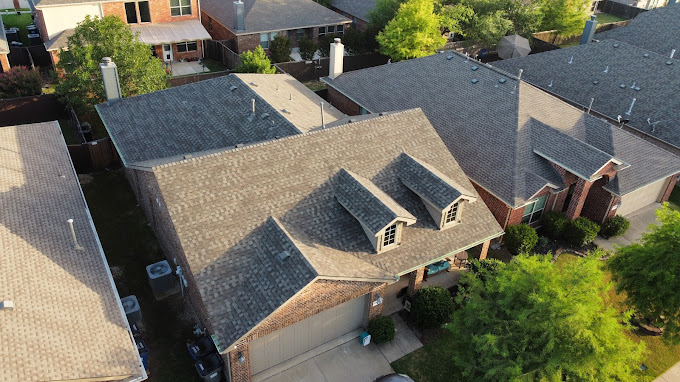
Before you contact a roofing company, you can do a quick, safe review of what is happening. The goal is not to diagnose every cause. It is to identify whether the issue looks active, where it seems to originate, and what evidence supports a professional roof inspection services visit.
Check for active leaks
Look for dripping, bubbling paint, wet drywall, or water trails in the attic or ceilings. If water is actively entering, treat it as time-sensitive.
Scan for storm-related damage
After hail damage or wind damage, inspect for missing granules, cracked shingles, lifted edges, and exposed underlayment.
Inspect common entry points
Pay attention to roof flashing repair areas around chimneys, skylights, and penetrations. Also check roof vent installation points for gaps or damage.
Professional observation: When leaks show up inside, the water path often travels under shingles before it reaches the ceiling. That is why a careful roof inspection that includes the full roof assessment matters more than matching the stain to the exact spot on the roof.
Main Things Customers Should Understand
Roofing problems rarely stay “small.” Even when the surface looks okay, moisture can move into sheathing and insulation. In Plano, TX, where seasonal storms and temperature swings can stress roofing materials, the roof system can show early symptoms that demand a professional response.
| What you notice | What it may indicate | Typical next step |
|---|---|---|
| Ceiling stains that expand after rain | Possible ongoing roof leak repair needs, often tied to flashing, penetrations, or damaged shingles | Roof inspection with roof leak detection and targeted roof repair |
| Multiple missing shingles or areas with granule loss | Shingle roof repair may be possible, but widespread loss can point toward roof replacement | Professional roof assessment to evaluate extent and remaining life |
| Visible sagging or soft decking in the attic | Moisture damage that may affect structural components | More extensive evaluation and likely roof replacement planning |
| Persistent damp insulation or musty odors | Water intrusion and possible mold prevention after water damage concerns | Inspection plus water damage restoration coordination |
| Damage concentrated on a flat roof area | Flat roof repair needs, including potential membrane issues | Inspection focused on flat roof installation details and membrane condition (TPO Roofing or EPDM Roofing) |
Signs that mean you should call fast
Here are the most common “call a roofing contractor fast” signals customers run into. Any one of these can justify a prompt roof inspection services visit, and several together usually mean you should not wait.

- You notice a new ceiling stain, bubbling paint, or a wet spot that returns after storms.
- Shingles are missing, curled, cracked, or visibly loose, especially near edges and penetrations.
- You see damage around flashing, vents, skylights, or chimney areas.
- Water is pooling in the attic, insulation is damp, or you smell mildew.
- You find roof debris that suggests hail damage roof repair or wind damage roof repair may be needed.
- The roof looks uneven, sagging, or you suspect structural movement.
What a professional inspection typically focuses on
A trusted roofing contractor will not only look at the exterior. A professional roof inspection also reviews the interior evidence, checks roof drainage pathways, evaluates flashing integrity, and assesses ventilation needs. That thorough approach helps avoid repeat problems and supports the decision between affordable roofing services options and more complete roofing solutions.
Why this matters in Plano, TX
In Plano, TX, roofs take on a lot across the seasons. After strong wind events, shingles and sealing details can loosen. After hail damage roof repair situations, granule loss and surface cracking can show up quickly, and leaks may appear days later when rain finds the path of least resistance. Even if the weather clears, moisture can continue to work its way into underlayment and framing.
That is why a prompt roof assessment is practical. It helps you address the root cause instead of only treating the symptom inside the home. If water has already reached the attic or interior, pairing roofing services with water damage restoration can be an important part of getting the property back to normal.
Need a fast roof inspection in Plano?
If you suspect a leak, storm damage, or worn roofing materials, Sunshine Roofing can help with a professional roof assessment and next-step plan.
Call Sunshine RoofingCommon Mistakes to Avoid
Homeowners often try to handle roofing issues with quick fixes. Some actions reduce damage temporarily, but they can also make it harder for a roofing contractor to diagnose the real source. Here are common mistakes to avoid when you need a roofing contractor fast.
1) Waiting for “the next rain” to prove it leaks. If you already see interior signs, you can assume the issue is active. Delaying can expand the affected area and increase the scope of roof repair or roof replacement planning.
2) Only patching the visible spot. Roof leaks often travel. A ceiling stain may not line up with the entry point. A professional inspection helps confirm whether the problem is flashing, roof vent installation details, or shingle damage.
3) Ignoring ventilation and moisture buildup. If insulation stays damp, it can lead to broader issues. Roof maintenance services that address ventilation and moisture pathways are often part of a lasting fix.
4) Skipping the roof assessment after storm damage. Even if the roof looks mostly intact, hail damage roof repair and wind damage roof repair sometimes require checking the full system, including edges, penetrations, and drainage.
Customer Checklist
Use this checklist to stay organized while you arrange professional help. It is also helpful if you need to explain the issue to a roofing contractor over the phone.
- Write down when you first noticed the problem and what the weather was like (rain, wind, hail).
- Take notes on where you see evidence: ceiling, attic, exterior walls, or around roof penetrations.
- Record any visible roof damage: missing shingles, lifted edges, cracking, or granule loss.
- Check whether water is actively entering and where it collects inside.
- Clear a safe path to the attic access point and identify any damp insulation areas.
- Prepare questions for your roofing contractor, including whether the issue is roof repair or roof replacement and what the next steps should be.
Representative scenario
A homeowner in Plano noticed a small ceiling stain in a hallway after a storm. The stain looked stable for a day, so they put off calling for help. A week later, another heavy rain caused the stain to spread, and the attic insulation near a roof vent looked damp. After a professional roof inspection, the source was traced to a compromised seal around a roof penetration and nearby flashing details. Addressing the entry point and managing moisture helped prevent further interior damage.
Frequently Asked Questions
How do I know if I need roof repair or roof replacement?
You usually need a professional roof assessment to make that call. If damage is localized, roof repair may be the right path. If there are multiple problem areas, widespread shingle deterioration, or signs of deeper moisture or structural impact, roof replacement planning often becomes the practical solution. During an inspection, a roofing contractor will review exterior damage patterns, check interior evidence, and examine key components like flashing, vents, and drainage pathways to determine the most reliable next step.
Will a roof leak always show up right away after rain?
No. Roof leaks can appear later because water can travel under shingles and into underlayment before it reaches the ceiling. That is why homeowners sometimes notice a stain days after a storm. If you see new ceiling discoloration, recurring wet spots, or damp insulation, treat it as an active issue. Calling for roof inspection services sooner helps identify the entry point, which reduces the chance of repeat problems.
What should I do immediately if I see water coming in?
Focus on limiting damage. Place a container under dripping water and protect floors or belongings. If it is safe, reduce water exposure by keeping interior areas dry and avoiding unnecessary foot traffic where water is present. Do not disturb ceiling areas more than needed. Then schedule a professional inspection. If there is already moisture in the attic, coordinating water damage restoration services can be important so the affected materials are addressed properly.
Can storm damage affect more than just the shingles?
Yes. Wind and hail can damage shingles, but they can also impact flashing, roof vent installation details, and other sealing components. Even when the surface damage looks limited, compromised sealing around penetrations can still allow water intrusion. A thorough roof assessment helps check the full system, including areas where leaks commonly start, so repairs target the actual cause rather than only the visible aftermath.
Do I need water damage restoration if the leak has stained the ceiling?
Often, yes. A stained ceiling can mean moisture has already reached materials that may need drying or remediation. If insulation is damp or there are signs of moisture in the attic, addressing the water damage component can help reduce ongoing problems and support mold prevention after water damage. If you are unsure, a roofing inspection can help identify whether the issue is strictly roofing repairs or whether water damage cleanup and structural drying services should be included.
Get a roof assessment you can act on
If you are seeing storm-related damage, a leak, or signs of moisture inside, Sunshine Roofing can help you move from uncertainty to a clear plan for roofing solutions.
(214) 532-8878
Sunshine Roofing is a local roofing contractor serving Plano, TX & surrounding areas with residential roofing services and roofing solutions designed to address real roof problems, not guesses. From roof inspection services to roof repair and roof replacement, the focus stays on identifying the source of damage and helping homeowners move forward with confidence.
If you are also dealing with interior effects, you can review water damage restoration. For broader home improvements that pair well with roof work, see home renovations.