
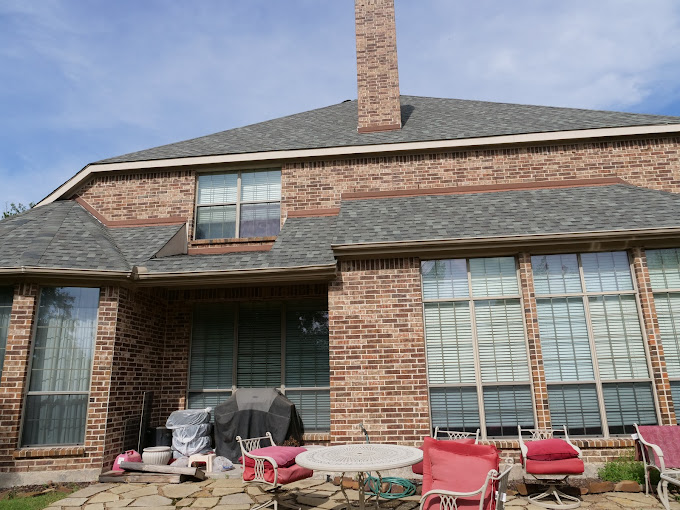
If you are seeing small leaks, loose shingles, or storm-related wear around Plano, TX, the real question is not just what an inspection costs. It is whether you will get a clear roof assessment that helps you choose the right next step, from roof repair to roof replacement.
Last week, you notice a damp spot near a ceiling corner after a heavy rain. It is not pouring through the whole room, but it is enough to make you wonder whether the roof is failing or if the issue is somewhere else.
Before you spend on repairs, you want clarity. This guide explains what a roof inspection typically focuses on, what “value” looks like in a professional roof inspection, and how to prepare so you get a useful plan for your home in Plano, TX. You will also see common missteps to avoid when comparing roof inspection services.
- Quick answer
- What to check first
- Main things customers should understand
- Why this matters in Plano, TX
- Common mistakes to avoid
- Customer checklist
- Frequently asked questions

Quick Answer
A roof inspection in Plano, TX is usually the most useful when it results in a clear roof assessment, not just a quick look from the ground. The best value comes from a professional roof inspection that identifies visible damage, checks likely leak paths, and explains whether roof repair or roof replacement is the smarter move. If you have active leaks, storm damage signs, or recurring moisture, prioritize an inspection before making assumptions. A practical recommendation is to ask what areas are included, how findings are documented, and what options you have after the inspection.
What to Check First
Before scheduling roof inspection services, gather the details that help an inspector focus. Start with what you already know: when the issue began, how often it happens, and where it shows up inside. If you have recent photos of stains, blistered paint, or water trails, bring them along. Also note any visible roof concerns you have seen from the yard, such as missing shingles, lifted edges, or granule loss.

Interior clues
Ceiling spots, attic dampness, or drywall bubbling can point to timing and leak pathways.
Exterior clues
Look for missing shingles, roof vent damage, or flashing issues around penetrations.
Recent events
Storm damage often reveals itself shortly after hail or wind, even if the leak starts later.
Main Things Customers Should Understand
Inspection cost and value can feel confusing because the scope varies. Some situations are straightforward, like a localized shingle roof repair need near a roof vent. Others require deeper evaluation, especially when water has traveled across roof decking or insulation. A solid inspection should help you understand the difference between surface wear and underlying moisture or structural concerns.
Professional observation: A “quick check” can miss the real cause. Leaks often appear far from the entry point because water follows gravity, airflow, and the roof’s underlying layers.
Here is what customers typically get when an inspection is thorough and practical:
- Damage mapping: Identifying where roofing materials are worn, loose, or displaced.
- Leak-path thinking: Reviewing likely water routes around roof flashing repair areas such as chimneys, skylights, and pipe penetrations.
- Ventilation and sealing checks: Looking at roof vent installation areas and seal integrity where failures are common.
- System context: Considering how roof maintenance services and prior roof repair work affect current performance.
| Inspection outcome you want | What it means for your roof | How it helps you decide |
|---|---|---|
| Clear roof assessment with specific problem areas | Damage is identified and not just guessed | You can compare roof repair vs roof replacement with confidence |
| Documented findings and recommended next steps | The plan matches what is actually happening | You know what to fix first and what can wait |
| Attention to leak detection and related causes | Moisture is tracked to likely entry points | You avoid repeated repairs that do not address the source |
| Consideration of storm damage roof repair needs | Hail or wind effects are evaluated beyond surface appearance | Repairs target the real impact points |
Why This Matters in Plano, TX
Plano homes see a wide mix of roof conditions, and the weather pattern can make leaks feel unpredictable. After strong storms, it is common to find hail damage roof repair needs or wind damage roof repair issues where shingles shift or edges lift. Because Texas rain can drive water into small openings, even minor roof flashing repair gaps can turn into noticeable interior staining later.
If you are in Plano, TX or nearby, another practical reason to inspect promptly is that moisture can spread beyond the roof surface. When water has already affected insulation or living spaces, you may also need water damage restoration planning. If your roof inspection suggests a moisture problem, Sunshine Roofing can also help connect the next steps with water damage cleanup and restoration services through water damage restoration.
Get a Roof Inspection Services Plan for Your Property
Bring your questions and recent photos. A professional roof inspection should leave you with a clear roof assessment and practical options for roof repair or roof replacement.
Call Sunshine RoofingCommon Mistakes to Avoid
Most roof problems do not get worse because homeowners did “nothing.” They get worse because the wrong assumption gets repeated. Here are common mistakes we see when people compare roofing services and inspection outcomes.
Common mistake: Choosing repairs without confirming the leak source. If water is entering through flashing, vents, or lifted edges, patching shingles alone often leads to the issue returning.
- Waiting too long to inspect: Small leaks can become larger repairs when moisture spreads into roof layers or surrounding materials.
- Focusing only on what is visible: Some damage is subtle until you check around roof penetrations, roof vent installation areas, and flashing repair details.
- Using the same approach for every roof: Asphalt shingle roofing wear is different from flat roof repair needs. The inspection should match your roofing type.
- Skipping documentation: If you cannot reference findings, it is hard to evaluate whether roof maintenance services or roof solutions are actually addressing the right issue.
- Not aligning the next step with the problem: If the roof is nearing end-of-life, repeated roof repair may not be the most practical path. A roof inspection should help you compare roof repair vs roof replacement decisions.
Customer Checklist
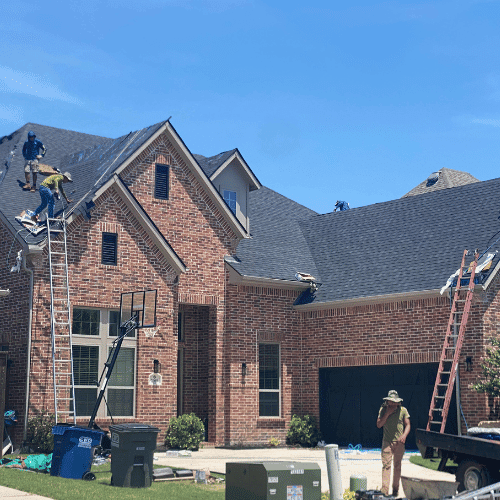
Use this checklist before, during, and right after your roof inspection services call. It helps you get a useful roof assessment that supports smart next steps, whether you need shingle roof repair, storm damage roof repair, or a broader plan.
- Write down when you first noticed leaks, stains, or roof issues.
- Share any recent storm timeline or high-wind or hail event that may have affected the roof.
- Point out the interior locations that show moisture and when it appears.
- Ask what areas are included in the roof assessment (shingles, flashing, vents, and other penetrations).
- Request clear next steps: repair scope, recommended priority items, or replacement considerations.
- Confirm how findings are documented so you can revisit the plan later.
- If moisture is present, ask whether water damage restoration services should be addressed alongside roofing.
Representative Scenario: What “Value” Looks Like
A homeowner in Plano, TX notices a recurring damp patch near a bathroom ceiling after storms. From the ground, the roof looks mostly intact, but the inspection identifies lifted shingle edges near a vent and a flashing repair area that is allowing water intrusion. Instead of treating only the visible stain, the roof assessment focuses on the actual leak pathway, then outlines the repair approach to stop water at the source. The homeowner leaves with a clear plan for roof repair and understands what to watch for during the next rainfall.
Frequently Asked Questions
What does a roof inspection usually include?
A practical roof inspection focuses on identifying visible roof issues and checking the areas that commonly cause water intrusion, such as flashing repair points and roof vent installation locations. A good roof assessment also considers how leaks behave over time. If you have interior staining, the inspector should connect that to likely entry points and recommend next steps that match the findings. For homeowners comparing roofing company options, the key is getting a clear explanation of what was checked and why those areas matter.
Is an inspection worth it if the damage looks minor?
Often, yes. Minor roof issues can still lead to moisture problems, especially when small openings allow water to travel under shingles or into roof layers. In Plano, TX, storm conditions can create subtle damage that only becomes noticeable after rain. An inspection can help you determine whether the issue is limited to shingle roof repair or if it involves flashing repair, ventilation, or deeper moisture concerns. The value is in avoiding repeated patchwork by confirming the actual roof leak source.
Should I ask about roof repair or roof replacement during the inspection?
You can, and it helps. A professional roof inspection should explain whether roof repair is likely to solve the problem or whether roof replacement considerations are more practical based on the condition found. If the roof shows widespread wear or multiple problem areas, the roof assessment should reflect that reality so you can make an informed decision. If the findings are localized, you should also receive a clear repair scope tied to the identified causes.
What if the inspection finds water damage inside my home?
If moisture is present indoors, your next steps usually need to address both the roof issue and the affected materials. A roof assessment can help identify the roof leak source, while water damage restoration planning can help limit ongoing moisture-related problems. If you are dealing with water damage cleanup or structural drying needs, ask whether water damage restoration services should be coordinated with the roofing work. That way, you are not only stopping new water intrusion but also supporting recovery of the impacted areas.
How should I prepare for roof inspection services?
Bring a short timeline of when the problem started and any storm details you remember. If you have photos of interior stains or roof surface issues, include them. Point out the exact rooms and locations where you see moisture. Also be ready to discuss whether repairs have been attempted before. Preparation matters because it helps the inspector focus on likely leak pathways and the most relevant areas for your roof assessment.
Ready for a Clear Roof Assessment in Plano, TX?
Sunshine Roofing helps homeowners and property owners understand roof inspection findings and choose the right roofing services next steps, from roof repair to roof replacement planning.
Schedule with Sunshine Roofing
Sunshine Roofing
Sunshine Roofing is a Plano, TX roofing contractor focused on quality roofing services for residential roofing and commercial roofing needs. We help customers understand roof inspection services results through a practical roof assessment approach, supporting decisions like roof repair, roof replacement, and related solutions when moisture is involved. Serving Plano and surrounding areas, we work with homeowners who want clarity, not guesswork, when they need trusted roofing contractors.
Explore more: Residential roof replacement options, roof repair services, or home renovation services when your project needs coordinated improvements.