
Roof Repair Near Me: Get Help Fast Today
A small roof leak can turn into a messy interior problem before you notice the full damage. This guide helps you spot the most likely causes, understand what a proper roof assessment should include, and decide when roof repair is enough versus when roof replacement may be the smarter long-term move.
Last night’s storm left a new wet spot on the ceiling, or you noticed a musty smell near an attic access in your Plano, TX home. You might also see shingles lifted after high winds, or water tracking along a roof edge after heavy rain. Even if the leak seems small, water can travel farther than you expect before it shows up indoors.
If you are searching for “roof repair near me,” the real question is not just who will respond, but who can identify the source and recommend a repair plan that fits your roof system. This guide walks you through what to check first, the common causes we see in local roofing issues, and how to prepare for a professional roof inspection so you can move forward with confidence.
- Quick answer
- What to check first
- Main things customers should understand
- Why this matters in Plano
- Common mistakes to avoid
- Customer checklist
- Frequently asked questions

Quick Answer
If you suspect a roof leak in Plano, TX, start by checking the interior for active water paths and the exterior for obvious damage like missing or lifted shingles, damaged flashing, or clogged gutters. Then schedule a professional roof inspection to confirm the source before you choose between roof repair and a larger roof replacement scope. A good roof assessment should include a close look at roof flashing, roof vents, and roof leak detection areas, not just a quick visual. For practical next steps, call Sunshine Roofing and ask for a thorough roof inspection services review so you get a clear repair plan.
What to Check First
Before you wait for a roofer, you can reduce confusion by documenting what is happening. Start indoors, because that is where the damage shows up first. If you see a stain, damp drywall, or bubbling paint, note the location and whether it changes after rain. If it is safe, check the attic or accessible crawl space for wet insulation, water trails, or signs of roof moisture near roof vents or roof flashing repair areas.
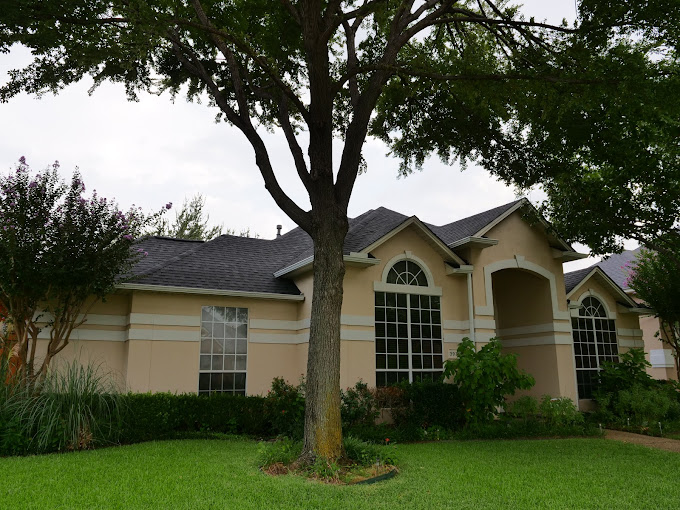
Professional observation: Many roof problems are caused by water getting under shingles at seams, penetrations, or flashing edges, not from the exact spot where you see the stain.
Next, look outside from the ground. You are aiming to spot visible issues like missing shingles, shingle lifting, cracked caulk around penetrations, bent flashing at roof edges, or debris buildup that can block water flow. Avoid climbing on a wet roof. If you suspect water is active, prioritize keeping the area dry inside and preventing additional damage while you arrange a professional inspection.
Interior clues
Ceiling discoloration, damp insulation, musty odors, or wet spots that worsen after storms often point to an active leak path.
Exterior clues
Missing or lifted shingles, damaged flashing, and clogged drainage systems can contribute to roof leak detection needs.
System clues
Roof vents, flashing around chimneys or skylights, and roof edges are common areas for water intrusion.
Main Things Customers Should Understand
In Plano, TX, roofing issues often show up after wind-driven storms, hail events, or heavy rain. The tricky part is that water can enter at one location and travel under roofing materials before it appears elsewhere. That is why an accurate roof assessment matters. When Sunshine Roofing evaluates a roof, we focus on the roof components that control where water goes: shingles or roofing membrane condition, roof flashing repair areas, roof vent installation details, and the way edges drain during storms.
| Decision point | When roof repair is often the fit | When roof replacement may be considered |
|---|---|---|
| Source of the leak | Localized issue like damaged flashing, a specific shingle roof area, or a roof penetration detail | Multiple active leak points or widespread failure across the roof system |
| Extent of moisture | Limited water exposure with minimal impact to surrounding materials | Evidence of broader water intrusion where repairs alone may not restore long-term performance |
| Roof system condition | Roof surfaces and underlayment appear generally intact aside from the damaged area | Roofing materials show broader wear that affects how reliably water is kept out |
| Drainage and details | Drainage path and flashings can be corrected with targeted work | Drainage and system details may require a more complete approach |
If you are deciding between residential roofing services and commercial roofing work for a property, the inspection approach still starts with the same goal: identify the leak path and confirm what needs to be corrected. For homeowners, it usually means evaluating asphalt shingle roofing components and roof maintenance services opportunities. For business owners or property managers, the same logic applies, especially when flat roof repair or roof coating services are part of the discussion.
What to ask during an inspection: “Where is the water getting in, and what roof components are responsible?” A clear explanation helps you understand whether the fix is a targeted roof repair or a broader roof replacement scope.
Why This Matters in Plano, TX
In Plano, TX, roof issues can be seasonal and storm-driven. After hail damage roof repair needs or wind damage roof repair scenarios, homeowners often notice impacts around edges, corners, and penetrations. Even if the visible damage looks minor, water can find entry points around seams, flashing, and roof vents. That is why a professional roof inspection services approach is especially valuable here. The right repair plan can help protect not only the roof surface, but also the interior materials affected by roof moisture.
Get a Clear Roof Assessment in Plano
If you are seeing signs of a roof leak, Sunshine Roofing can help you identify the source and recommend the right roofing solutions for your situation. Call for a roof repair and roof leak detection-focused evaluation.
(214) 532-8878Common Mistakes to Avoid
It is easy to make the problem worse when you try to “patch and hope.” One common mistake is applying sealant to the visible stain area without finding the entry point. Sealant can miss the actual leak path, especially when water travels under roofing materials. Another frequent issue is delaying action until the next dry day, even though the leak may be ongoing. Interior moisture can spread beyond the original spot and create additional work that is avoidable with a prompt inspection.
Common mistakes we see:
- Replacing shingles without addressing roof flashing repair or roof vent installation details.
- Assuming the leak is where the water appears inside.
- Ignoring clogged drainage, which can contribute to water backing up at roof edges.
- Skipping a roof assessment and choosing a repair based only on a quick look.
If your home has already experienced water damage, it may be worth coordinating roof repair with water damage restoration steps. For guidance on the broader cleanup and recovery process, review water damage restoration services from Sunshine Roofing.
Customer Checklist
- Document when the leak appears (after rain, wind, or hail) and where it shows up inside.
- Check attic access or accessible areas for wet insulation, water trails, or damp framing near roof vents and flashing points.
- Inspect from the ground for missing or lifted shingles and damaged roof flashing edges.
- Look for evidence of roof drainage issues, such as debris in gutters or blocked downspouts.
- Prepare questions for your inspection, including what roof components are responsible for the leak path.
- Ask whether the repair plan also addresses surrounding areas to prevent repeat problems.
Bring this checklist to your call so the inspection focuses on the right details. It also helps you avoid decisions made under pressure, especially when the ceiling stain is already spreading.
Representative Scenario
A Plano homeowner noticed a small water stain near a bathroom ceiling after a heavy rain. From the attic access, they saw damp insulation along a roof edge and water tracking near a penetration area. From the ground outside, they could not clearly see missing shingles, but the roof edge looked disturbed after a recent storm. After a professional roof inspection, the repair plan targeted the actual roof leak entry point by addressing flashing and the nearby shingle roof section rather than sealing only the interior stain location. After the repair, the homeowner monitored the area during subsequent rainfall to confirm the leak was resolved.
Frequently Asked Questions
How do I know if I need roof repair or roof replacement?
It usually depends on how many leak sources are present and how much of the roof system is affected. A focused roof assessment should identify the entry point, review roof flashing and roof vent installation details, and check whether moisture is limited or widespread. If the damage is localized and the surrounding materials look intact, roof repair may be the practical path. If multiple areas show failure or the roof system’s condition suggests repeating problems, a roof replacement scope may be recommended to improve long-term reliability.
What should I expect during a professional roof inspection?
A professional roof inspection is more than a quick look. It should focus on where water can enter during rain events, including seams, edges, roof flashing repair areas, and penetration points. For many homes, inspectors also review roof ventilation and drainage details that influence roof performance. You should expect the inspector to explain the suspected leak path and discuss which roofing solutions fit your situation based on what they find.
Can a roof leak be coming from a different spot than the stain?
Yes. Roof leaks often travel underneath roofing materials before they show up inside. The stain on a ceiling may be located downstream from the actual entry point. That is why “leak repair where the stain is” can miss the true cause. A proper roof assessment helps confirm the entry location and the components involved, such as flashing edges, roof vents, and shingle roof areas that can allow water intrusion during storms.
Should I address water damage before or after roof repair?
Roof repair should come first if the roof is actively allowing water in. Once the leak source is corrected, addressing water damage inside becomes more effective and prevents new moisture from re-entering the structure. If you already see damp drywall, wet insulation, or other signs of water intrusion, coordinating next steps can help with cleanup and drying. Sunshine Roofing can help you plan roof repair alongside water damage restoration services when needed.
Do you also help with roof maintenance services and storm-related damage?
Yes. Roof maintenance services can help reduce the chance of small issues becoming leaks, especially after storm events. For storm damage roof repair needs, an inspection can confirm whether the issue involves shingle roof sections, flashing, or drainage details. If you are dealing with hail damage roof repair, wind damage roof repair, or general roof tune up needs, a roof inspection is the best starting point to understand what should be corrected.
Ready for Roof Repair Help in Plano, TX?
If you are dealing with a leaky roof repair situation, Sunshine Roofing can help you move from guessing to a clear plan. Call us now to discuss your roof issue and schedule a professional roof inspection services-focused assessment.
Call Sunshine Roofing
Sunshine Roofing
Sunshine Roofing is a local roofing contractor serving Plano, TX and surrounding areas. We provide residential roofing services and roofing solutions designed to address roof repair, roof replacement, and roof assessment needs. Whether you are dealing with storm damage roof repair, shingle roof repair, or roof system concerns that require professional roof inspection services, our goal is to help homeowners and property owners understand the issue and choose the right next step.
Explore roof repair services or review roof replacement options.
If your project also includes interior updates after a roof issue, you can coordinate planning with home renovations or discuss how roof-related water concerns may affect the overall scope of your home improvement services.