
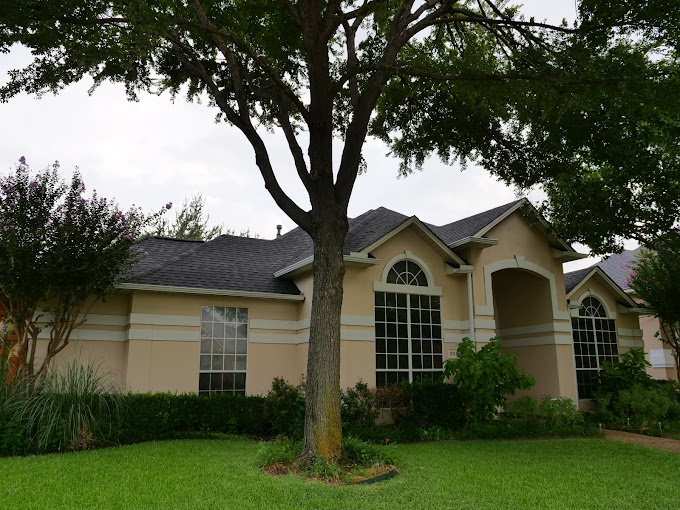
Commercial Roofing Services: Protecting Warehouses and Retail Spaces
A manager at a Plano-area retail center called us after a stretch of heavy rain and strong winds: they noticed water spotting on the underside of the roof deck above a stock room. The strange part was that the ceiling looked “mostly fine” until the next downpour—then the leak path seemed to move. If you run a warehouse or retail space, that kind of intermittent leakage is more than an inconvenience. It can interrupt operations, damage inventory, and turn a manageable roof problem into a structural repair.
In North Texas, commercial roofs face a tough combination: intense UV exposure, rapid temperature swings, periodic hail, and wind-driven rain. Those conditions don’t always damage the roof in the obvious way homeowners expect. For businesses, the goal isn’t just to stop the leak—it’s to protect the building envelope and keep moisture from migrating into insulation, decking, and interior walls.
Quick Answer
Commercial roofing services typically fall into four buckets: roof inspection, roof repair, roof replacement, and storm/water damage restoration. The right choice depends on the roof system (TPO, EPDM, metal, asphalt shingles, or flat roof assemblies), the extent of membrane failure or flashing issues, and whether water intrusion has already affected insulation or interior finishes. After storms, a professional inspection helps confirm whether repairs will hold or whether a full replacement is the safer long-term move.
What Commercial Roofs in Warehouses and Retail Spaces Really Need
Commercial roofs are built to handle constant use—HVAC loads, foot traffic from maintenance crews, and the daily reality of a building that can’t easily close for repairs. But the roof is still a system. When one part fails, the damage often shows up somewhere else.
The most common “leak sources” we see
Even when a leak seems to come from the center of a roof, the cause is often near the edges and penetrations. In our experience, these problem areas show up repeatedly:
- Flashing failures at roof-to-wall transitions, curbs, and skylights
- Seams and membrane edges lifting or separating after hail or wind
- Drainage problems (ponding water on flat roofs) that accelerate membrane wear
- Cracked or deteriorated sealants around vents and pipes
- Roof penetrations added over time (new antennas, HVAC lines, cable runs) without properly re-sealing
Firsthand contractor observation: “It wasn’t the roof where the water appeared”
One anonymized case we handled involved a warehouse with an active loading dock. Water stains appeared on a ceiling tile inside the office area. The business assumed the leak was coming from the ceiling or a plumbing line. When we opened access, the roof membrane wasn’t catastrophically torn—but the flashing around a small roof curb had loosened, and wind-driven rain had funneled moisture into the insulation layer. The leak path looked “moved” because the water traveled through the building assembly before it ever reached the interior surface.
That’s why commercial roofing services aren’t just patch-and-pray. We look for the entry point, the moisture path, and the materials that may have been compromised.
A quick note on materials: TPO, EPDM, metal, and flat roof assemblies
Many North Texas commercial buildings use TPO or EPDM for flat roof systems. Those membranes can last a long time when they’re detailed well, but they’re vulnerable to:
- Edge lifting (often from wind uplift)
- Seam failures
- UV-accelerated deterioration of top layers and flashing components
- Ponding water that stresses seams and coatings
For metal roofing, the story is similar: corrosion can be accelerated by trapped moisture at fasteners, transitions, or roof penetrations. For shingle systems used on some commercial structures, hail and wind can fracture granules and loosen tabs—often before the owner sees anything major.
What Homeowners Often Overlook (and Business Owners Repeat)
Commercial property managers and owners sometimes come from “patching” mode—especially when they’ve had a vendor do a quick fix before. The trouble is that roofs fail at the system level.
Common mistake homeowners and managers make
They wait until interior damage is obvious, then chase the visible spot instead of inspecting the roof system.
When water appears in the interior, it’s already done work:
- insulation can absorb moisture
- decking can remain damp longer than you’d think
- mold risk increases, especially if HVAC humidity stays elevated
- ceiling systems and wall assemblies can be compromised
Another mistake we see is choosing repair materials that aren’t compatible with the existing roof system. For example, using the wrong type of sealant or applying coatings without addressing flashing and drainage issues can create a “water-resistant layer” that delays the inevitable—until the next storm.
Repair vs. Replacement: How We Decide for Commercial Buildings
A good roofing contractor doesn’t sell replacement automatically, and a good inspector doesn’t recommend repairs that won’t last. The decision is based on condition, performance, and risk.
Repair is usually the right move when:
- damage is localized (a limited number of penetrations, a small seam issue, or a flashing problem)
- the membrane is otherwise in good condition
- insulation/decking shows no meaningful moisture intrusion
- the roof has remaining useful life and can be restored properly
Replacement is often the safer long-term choice when:
- hail or wind damage is widespread across the membrane or cap sheet
- multiple layers or repeated patch history show that repairs keep returning
- seams and edges have extensive wear or prior bonding failures
- moisture intrusion has affected insulation, decking, or interior assemblies
- the roof system is nearing end-of-life or has recurring leak points
Where commercial restoration fits in
If water has already entered the building, roofing work and restoration should be coordinated. Drying and remediation may be needed to protect against secondary damage. If you wait too long, you can end up paying for both roof repairs and interior reconstruction.
In cases that involve water intrusion, we also coordinate with water damage restoration needs—especially when structural drying is required. If you’re dealing with a related issue, you can review water damage restoration services for a clearer picture of how restoration supports roof leak repairs.
Our Experience Repairing Storm-Damaged Roofs in Texas
North Texas storms can be deceptive. Hail may leave small bruises on shingles and membranes that look minor from the curb. Wind can lift edges, loosen fasteners, and stress seams—then the damage becomes noticeable only after a follow-up rain.
Plano and North Texas insight: why “delayed leaks” happen
We see this pattern after strong wind events followed by heavy rainfall: wind creates micro-openings at edges and penetrations, but the leak doesn’t fully present until water pressure increases. That’s one reason why an inspection should happen as soon as conditions allow—even if the interior damage seems limited at first.
Quick example: hail + wind on a retail roof
A retail property in the area experienced hail followed by gusts. The roof didn’t show dramatic punctures, but later, water stained a corridor ceiling near an HVAC curb. When we inspected, we found:
- granule loss and surface damage consistent with hail exposure
- flashing sealant hardened from heat/UV
- membrane stress near a seam where uplift had occurred
Repairs alone could have been chosen, but the pattern suggested the roof system had been stressed more broadly. In that scenario, we recommended targeted roof work combined with a plan for longer-term roof replacement to reduce the chance of recurring leaks during the next storm season.
Signs Your Commercial Roof Needs Attention (Before It Becomes a Claim)
Not every roof problem is dramatic. Here are indicators that warrant a professional roof inspection:
- recurring leaks at the same location after rain
- wet insulation smell or persistent dampness in roof-access areas
- blistering, curling, or visible membrane separation
- damaged flashing around vents, pipes, and curbs
- standing water or slow drainage on flat roofs
- loose or missing fasteners, especially on metal systems
- cracking or deterioration around roof penetrations
- interior ceiling discoloration near exterior walls or roof edges
Quick roof assessment checklist for facility teams
If you manage a property, you can use this as a first-pass internal check (but still schedule a contractor inspection for anything serious):
- Look for water staining after the next rain
- Walk roof edges carefully (or have staff document from safe access points) for lifted seams/edges
- Check known penetration points: vents, drains, HVAC curbs
- Confirm roof drains are clear and not blocked by debris
- Review any recent rooftop changes (new equipment, cable installs, re-locations)
- Photograph any visible damage with dates for documentation
Roofing Services We Provide for Commercial Properties
Sunshine Roofing supports commercial buildings with practical solutions designed to restore performance—not just aesthetics. Depending on the roof system and the condition, services may include:
- Roof inspection services to identify entry points and moisture paths
- Roof repair for flashing, penetrations, membrane/seam issues, and drainage problems
- Commercial roof replacement when repairs would be temporary
- Emergency roofing services for active leaks and storm-related damage
- Roof maintenance services to extend roof life and reduce downtime risk
- Coordinated water damage restoration when leaks have already impacted interior materials
If you’re comparing options for a larger project, you may also find helpful background on roof replacement planning—especially how we evaluate roof life, layers, and long-term protection.
What Actually Improves Roof Longevity
Long roof life usually comes down to details that don’t always show up in a quick walkthrough.
The “system details” that matter most
- Proper flashing repair and re-sealing around penetrations
- Correct drainage (flat roofs need flow paths, not just a surface that sheds)
- UV-ready materials and compatible sealants/coatings
- Edge and seam integrity after storms
- Ventilation and airflow where the roof assembly requires it
In North Texas, heat and UV exposure accelerate deterioration, especially on older roof systems with hardened sealants. That’s why routine maintenance and inspections are more than “good practice”—they’re risk management for the building envelope.
Plano / North Texas Relevance: Why This Weather Matters to Your Roof
In Plano, commercial roofs live with:
- intense sun and UV exposure across most of the year
- thunderstorms that can swing quickly from calm to high wind
- hail events that may be localized but still damaging
- heavy rain bursts that overwhelm drainage if debris accumulates
These conditions mean roofs can degrade faster than many building owners expect. Also, commercial properties often have rooftop equipment that creates penetrations and stress points. The more penetrations and rooftop changes over time, the more important professional roof inspection becomes after storms.
If you want a deeper look at how we approach roof evaluation, our team can help with roof repair options after you’ve identified a concern—especially when a leak seems to return after each heavy rain.
Repair or Replacement Cost: A Practical Way to Think About It
Owners often ask about roof replacement cost because they want a clear budget. The challenge is that costs vary based on roof system type, deck condition, and whether moisture intrusion has occurred.
Here’s a practical way to frame decisions:
- Short-term repairs can be cost-effective when damage is limited and the roof deck/insulation are dry.
- Replacement is more predictable when the roof has widespread hail/wind impact or repeated leak points.
- Restoration adds cost when water has already spread through the assembly—so prompt inspection can reduce total spend.
A realistic approach is to treat roof repair and roof replacement as risk decisions, not just price decisions. The “cheaper” option on paper can cost more if it fails again during the next storm.
When Emergency Roofing Services Are the Right Call
If your building has an active leak, time matters. Emergency roofing services aren’t about dramatic fixes—they’re about stopping active water intrusion safely and controlling the damage until a full assessment is completed.
If you’re dealing with an urgent situation, it’s worth reviewing emergency roof repair support so you know what to expect when the goal is to protect interiors and inventory while repairs are planned.
FAQ
How do I know if hail damaged my commercial roof?
Hail damage isn’t always obvious from the ground. For shingle systems, look for bruising, missing granules, and exposed areas. For flat roofs like TPO or EPDM, hail can create surface wear that later shows up as seam stress or flashing failures. The most reliable method is a professional inspection that checks seams, edges, penetrations, and the surrounding flashing details.
Should we repair a flat roof or replace it?
If the membrane damage is localized and the roof deck/insulation are dry, repair may be appropriate. If hail or wind affected multiple areas, seams/edges are deteriorating, or the roof has recurring leak points, replacement often provides more predictable performance. A roof assessment should also consider drainage and whether existing layers complicate future repairs.
How quickly should a roof be inspected after a storm?
If there’s any sign of interior water, ceiling staining, or visible roof damage, schedule an inspection as soon as safe access allows. Even if the interior looks “okay,” a roof inspection can identify entry points before they expand during the next rain event.
What causes recurring roof leaks in warehouses?
Recurring leaks usually come from flashing failures, seam separation, penetrations that weren’t properly re-sealed after rooftop work, or drainage issues that leave water ponding near vulnerable areas. Sometimes repairs fail because the underlying cause—like edge uplift or compromised sealant—wasn’t fully addressed.
Ready to Protect or Restore Your Roof?
If you manage a warehouse or retail space, your roof isn’t just overhead—it’s part of your operating budget, your inventory protection, and your building safety plan. After storms, a prompt roof assessment helps you find the real entry point, prevent moisture from spreading, and choose repair versus replacement with confidence.
About Sunshine Roofing
Sunshine Roofing provides roof repair, roof replacement, storm restoration, water damage restoration, and home renovation services throughout Plano, TX and surrounding North Texas communities. The company focuses on long-term roof protection, reliable storm damage repairs, quality craftsmanship, and helping homeowners and property managers safeguard their buildings with trusted roofing and restoration solutions.