
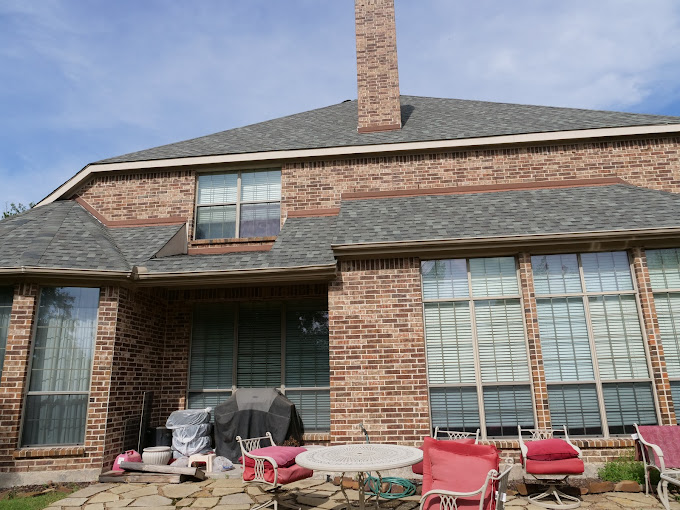
Benefits of Regular Roof Inspections for Longevity
A few years ago, a Plano homeowner called after a spring storm rolled through Collin County. From the street, their roof looked fine—no missing shingles, no obvious damage. But a routine inspection uncovered hail bruising on the shingles, lifted flashing around the chimney, and early signs of a leak in the attic. Insurance covered the repairs because the issues were documented quickly. Without that inspection, those “invisible” problems would likely have turned into a major leak, interior damage, and a premature roof replacement.
North Texas roofs work hard. Sun, heat, hail, high winds, and sudden downpours all take a toll—especially in a place like Plano where weather can swing from blazing hot to severe storms in a single week. That’s why regular, professional roof inspections aren’t a luxury; they’re a core part of protecting your home or business.
In this guide, you’ll learn how regular inspections extend roof life, save money, protect your property value, and help you plan ahead—whether you own a single-family home, manage a commercial building, or oversee multiple properties in the Plano area.
Key Insight: Consistent, professional roof inspections can add years to your roof’s life, prevent costly interior damage, and turn surprise emergencies into manageable, budgeted maintenance.
Why Regular Roof Inspections Matter in North Texas Weather
Plano sits in the crosshairs of some of the harshest roof conditions in the country. According to insurance data, Texas routinely ranks at or near the top for hail claims, and the DFW area sees frequent severe thunderstorms and high winds. Add in intense UV exposure and long, hot summers, and your roof is under constant stress.
A roof doesn’t usually fail overnight. It degrades slowly:
- Granules wear off asphalt shingles
- Sealants dry out and crack
- Flashing loosens around chimneys, vents, and skylights
- Fasteners back out on metal and flat roofs
Most of this isn’t visible from the ground, which is why professional Roof Inspection Services are so critical.
Local example: After a hailstorm that moved through Plano and Allen, we inspected two nearly identical homes in the same subdivision. One homeowner had inspections every two years; the other hadn’t had anyone on the roof in almost a decade.
- The “inspection” roof had minor shingle damage and a few compromised vents—quick, affordable repairs.
- The other roof had hail damage layered on top of years of UV wear, brittle shingles, and prior wind damage. Insurance covered part of it, but the owner still had to pay more out of pocket for a full replacement.
“Most major roof failures are the result of small issues that went unnoticed for too long.” — Sunshine Roofing Team
Regular inspections turn your roof from a mystery into a manageable system. You know what shape it’s in, what needs attention, and how long you can reasonably expect it to last.
Catching Small Problems Before They Become Big, Expensive Repairs
The biggest financial benefit of routine inspections is simple: repairing a small problem is almost always cheaper than fixing the damage it causes over time.
Common issues discovered during a professional roof assessment include:
- Cracked, curled, or missing shingles
- Exposed nail heads and popped fasteners
- Failing pipe boots and vent seals
- Rusted or loose flashing
- Minor punctures from branches or debris
- Early signs of moisture in the attic
Any one of these can lead to leaks, but caught early, they’re usually quick to fix. That’s where experienced Roof Repair comes in.
Real scenario from Plano:
We inspected a home near Preston Road where the owner had noticed a faint ceiling stain. On the roof, we found:
- One cracked plumbing vent boot
- A few lifted shingles nearby
- No obvious structural damage yet
The repair cost a fraction of what a full ceiling replacement and insulation drying would have cost if the leak had continued for months. Just as importantly, we documented everything, which helped the homeowner if future issues appeared in the same area.
Compare that to another property in East Plano where a tiny leak around a vent went unnoticed for over a year. By the time we were called:
- The decking was soft and rotted
- Mold was present in the attic insulation
- Interior drywall had to be removed
That “little leak” turned into a multi-trade project, including Water Damage Restoration and structural drying.
CALLOUT: A $250–$600 minor repair today can easily prevent a $5,000–$20,000 restoration and partial Roof Replacement later.
Extending Roof Lifespan: How Inspections Add Years to Your Investment
Every roof has an expected service life. In Plano, typical ranges are:
- 3-tab asphalt shingles: 15–20 years
- Architectural asphalt shingles: 20–30+ years
- Metal roofing: 40–50+ years
- TPO/EPDM flat roofs: 20–30 years (with proper maintenance)
Regular inspections and proactive maintenance can push your roof to the upper end of that range—or beyond.
Think of it like a vehicle. You wouldn’t expect a car to reach 200,000 miles without oil changes and tune-ups. Similarly, a “set it and forget it” approach shortens roof life. A structured Roof Maintenance Services plan includes:
- Annual or biannual inspections
- Gutter cleaning and debris removal
- Sealing exposed fasteners
- Recaulking flashing and penetrations
- Addressing minor shingle or membrane issues
Roof Longevity: With vs. Without Regular Inspections (Plano Averages)
| Roof Type | With Regular Inspections | Without Regular Inspections |
|---|---|---|
| 3-Tab Asphalt Shingles | 17–20 years | 10–14 years |
| Architectural Shingles | 22–28 years | 15–20 years |
| Metal Roofing | 40–50+ years | 25–35 years |
| TPO/EPDM (Flat Roofs) | 20–25 years | 10–15 years |
Estimates based on North Texas climate exposure and typical maintenance patterns.
Example:
A Plano homeowner with a 25-year architectural shingle roof enrolled in a yearly inspection and roof tune up program. Over 18 years, we:
- Replaced a few storm-damaged shingles after hail events
- Resealed pipe boots and flashing as they aged
- Cleared debris from valleys and gutters
By addressing small issues quickly, that roof is still performing well past year 20, and the homeowner has a clear, documented picture of when a Residential Roof Replacement will make sense.
“Planned maintenance can add 20–40% more usable life to many roofing systems.” — Industry Best Practice, NRCA Guidelines
Protecting the Inside of Your Property: Beyond Shingles and Membranes
A roof’s job isn’t just to keep the rain out—it protects everything underneath it. When inspections are skipped, small exterior problems eventually show up as expensive interior damage.
Unchecked leaks can lead to:
- Damaged insulation and reduced energy efficiency
- Mold and mildew growth in attics and walls
- Warped framing and compromised structural members
- Stained ceilings and peeling paint
- Damaged flooring, cabinetry, and personal belongings
In Plano’s humid summer and rapid temperature swings, moisture issues can escalate quickly. That’s when you move from simple Leaky Roof Repair into full-scale Water Damage Restoration and mold prevention.
Case study:
A small medical office near Legacy Drive had an aging flat roof with ponding water. Because the owner assumed “no news is good news,” no inspections were done for years. A slow leak eventually:
- Saturated the insulation above the ceiling tiles
- Caused hidden mold growth
- Damaged electrical components in the ceiling space
By the time the problem was discovered, the cost included:
- Roof repairs
- Interior demolition and cleanup
- Structural drying services
- Business interruption and lost revenue
If that owner had scheduled regular Commercial Roofing inspections, the ponding and membrane wear would have been caught early—long before it affected tenants and operations.
CALLOUT: Interior damage can easily exceed the cost of roof repairs. Regular inspections protect not just your roof, but your entire property and everything inside it.
Planning Ahead: Budgeting, Insurance, and Strategic Roof Decisions
One of the most underrated benefits of regular inspections is predictability. Instead of reacting to emergencies, you can plan for them—or avoid them altogether.
Budgeting and Capital Planning
For homeowners and property managers in Plano, a professional roof assessment provides:
- Estimated remaining service life
- Prioritized list of needed repairs
- Cost ranges for short-term fixes vs. long-term solutions
- Recommendations on when to consider Roof Replacement
This allows you to:
- Set aside funds over several years
- Time major work during slower seasons or between tenant changes
- Avoid taking on high-interest debt for surprise repairs
Insurance Documentation
After storms, insurance companies rely on evidence. Regular Professional Roof Inspection reports:
- Establish the pre-storm condition of your roof
- Document storm-specific damage (hail, wind, debris)
- Strengthen your claim with photos and expert notes
Plano example:
Two homeowners in the same Frisco–Plano neighborhood filed hail claims. One had previous inspection reports showing a healthy roof before the storm; the other had no documentation. The documented homeowner had a smoother claims process and less back-and-forth with the adjuster because there was clear proof the damage was new.
Repair vs. Replacement Decisions
At some point, repairs stop making financial sense. A trusted, licensed roofing contractor helps you decide when it’s time to stop patching and invest in a new system. That’s where services like Residential Roof Replacement and Commercial Roof Replacement come into play.
Residential vs. Commercial Roof Inspections: Different Needs, Same Goal
Homes and commercial buildings in Plano have very different roof designs, but the goal is the same: long-term protection and predictable performance. The inspection approach, however, often differs.
Key Differences in Residential vs. Commercial Inspections
| Aspect | Residential Roofs (Plano Homes) | Commercial Roofs (Offices/Retail) |
|---|---|---|
| Common Materials | Asphalt shingles, some metal | TPO, EPDM, modified bitumen, metal, built-up |
| Roof Slope | Steep to moderate pitch | Low-slope or flat |
| Primary Concerns | Shingles, flashing, ventilation, attic moisture | Ponding water, seams, penetrations, drainage |
| Inspection Frequency | 1x per year + after major storms | 2x per year + after major storms |
| Documentation Needs | Photos + summary report | Detailed report, maps, maintenance logs |
Residential example:
A Plano homeowner with an asphalt shingle roof might need:
- Shingle and flashing checks
- Attic ventilation and insulation review
- Gutter and downspout assessment
Commercial example:
A retail center off US-75 with a flat TPO roof needs:
- Seam and membrane inspection
- Roof drain and scupper assessment
- HVAC curb and penetration checks
- Detailed moisture scanning in some cases
For both, working with Trusted Roofing Contractors who understand North Texas codes, manufacturer requirements, and insurance expectations is crucial.
“Commercial roofs often fail at their details—drains, seams, and penetrations—not in the wide-open field of the membrane.” — Sunshine Roofing Commercial Team
What This Means for Businesses and Homeowners in Plano, TX
Plano’s growth, aging housing stock in some neighborhoods, and constant development mean roofs are being installed, repaired, and replaced every day. At the same time, our region’s weather patterns are not getting any gentler. Hail seasons seem more active, summers hotter, and storm cells more intense.
For homeowners, that means:
- Older roofs in established neighborhoods like Willow Bend or Ridgeview Ranch may be nearing the end of their expected life. Regular inspections help you avoid being caught off guard.
- Newer subdivisions with builder-grade roofing still need attention. Even a brand-new roof can be damaged by a single severe storm.
- If you’re planning Home Renovation Services such as kitchen or bathroom remodeling, it’s smart to verify your roof is solid first. There’s nothing worse than finishing a beautiful interior upgrade only to have a leak appear above it months later.
For businesses and property managers:
- Flat and low-slope roofs on offices, retail centers, and industrial buildings are especially vulnerable to drainage issues and membrane wear.
- Tenants rely on you to protect their inventory, equipment, and operations. A single neglected leak can strain those relationships and your reputation.
- Regular inspections support smoother budgeting, fewer emergency calls, and better long-term return on your roofing investment.
In a city where extreme weather is part of life, the question isn’t whether your roof will be tested—it’s whether you’ll be prepared. Routine inspections give you that preparation, turning uncertainty into a clear, manageable plan.
Frequently Asked Questions
Q: How often should I schedule a roof inspection in Plano?
A: In North Texas, once a year is the minimum for most homes and small businesses. Many property owners choose an annual inspection plus an additional check after major hail or wind events. If your roof is older than 10–12 years or you’ve had prior issues, more frequent Roof Maintenance Services may be wise. Commercial roofs with flat or low-slope designs often benefit from twice-yearly inspections—typically in spring and fall—to catch seasonal damage and prepare for the next weather cycle.
Q: My roof looks fine from the street. Do I really need a professional inspection?
A: Yes. Many of the most serious issues—hail bruising, lifted shingles, failing pipe boots, or seam separation on flat roofs—are invisible from the ground. A trained inspector knows where problems tend to start and what subtle signs to look for. With a proper Roof Assessment, you’ll get photos, notes, and recommendations that go far beyond a quick visual glance. This documentation is also valuable if you ever need to file an insurance claim or sell your property.
Q: What does a professional roof inspection include?
A: A thorough Professional Roof Inspection typically includes: walking the roof (when safe), checking shingles or membrane condition, inspecting flashing and penetrations, evaluating gutters and drainage, and looking inside the attic or ceiling space for signs of moisture. Inspectors also check ventilation, sealants, and previous repairs. At Sunshine Roofing, we provide a written report with photos, highlight any urgent issues, and outline options—from minor Roof Repair to long-term planning for eventual replacement.
Q: How can inspections help with storm and hail damage claims?
A: After a storm, timing and documentation are everything. If you’ve had regular inspections, you already have a baseline record showing your roof’s pre-storm condition. When a storm hits, a prompt inspection by experienced Roofing Experts can identify new hail or wind damage, separate it from pre-existing wear, and provide clear evidence for your insurance company. This often leads to smoother claims, better outcomes, and less back-and-forth with adjusters who may not know your roof’s history.
Q: Will an inspection tell me if I need repair or full replacement?
A: Yes. One of the main goals of a detailed inspection is to help you decide whether targeted Emergency Roof Repair or scheduled maintenance is enough, or if it’s time to plan for a full Roof Replacement. Your inspector will look at overall wear, age, past repairs, and any active leaks. They’ll then explain your options, estimated remaining life, and cost ranges. This way, you can choose the approach that makes the most financial and practical sense rather than guessing or reacting under pressure.
Q: Are roof inspections expensive, and are they worth it?
A: Compared to the cost of interior damage or premature replacement, inspections are one of the most affordable roofing services you can invest in. Many local roofing companies offer a Free Roof Inspection after major storms, and even paid inspections are modest compared to potential savings. Catching a small flashing issue or minor leak early can literally save thousands of dollars in future repairs, not to mention the stress and disruption of dealing with active water damage.
Q: Can I just inspect the roof myself?
A: You can certainly keep an eye out for obvious issues—missing shingles, overflowing gutters, or visible damage after a storm. However, climbing on a roof is dangerous without proper training and equipment, and many problems require a trained eye to spot. Certified roof inspectors understand material behavior, manufacturer specs, and local building codes. Partnering with a Licensed Roofing Contractor ensures your inspection is thorough, safe, and backed by professional expertise rather than guesswork.
Ready to Get Started?
North Texas weather won’t wait, and roofs don’t heal themselves. If it’s been more than a year since your last inspection—or if you’ve recently weathered hail, high winds, or heavy storms in Plano—this is the ideal time to act. A professional inspection from Sunshine Roofing gives you clarity: you’ll know exactly what shape your roof is in, what needs attention now, and what can be planned for later.
By taking this simple step, you’re protecting your home or business, avoiding surprise leaks, and potentially adding years to your roof’s life. You’re also giving yourself leverage with insurance and peace of mind before investing in any major Home Improvement Services inside.
Schedule your inspection, review the findings with our team, and decide on the right course of action—whether that’s a minor tune-up, targeted repairs, or building a long-term plan for eventual replacement. Sunshine Roofing has helped Plano property owners through countless storm seasons; we’d be honored to help you protect what matters most.
About Sunshine Roofing
Sunshine Roofing is a locally trusted roofing and remodeling company based in Plano, TX, serving homeowners and businesses across North Texas. Our team combines decades of experience with industry-best practices to deliver reliable inspections, repairs, and replacements. From asphalt shingles to commercial flat roofs and full-scale Home Renovation Services, we focus on quality craftsmanship, honest guidance, and long-term value for every client.