
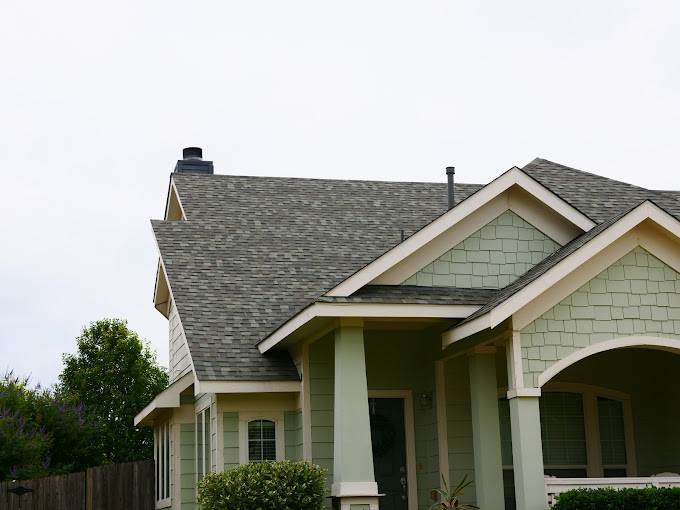
Signs You Need Immediate Roof Repair Services
On a clear Plano afternoon, you probably don’t think much about the roof over your head—until a storm rolls through and you notice a brown stain spreading across your ceiling, or shingles scattered across your yard. In Collin County, we see everything from brutal summer heat to sudden hailstorms, and that mix is tough on even the best-built roofs. The Texas Department of Insurance has reported billions in hail-related losses across North Texas over the past decade, and Plano homeowners are right in the middle of that storm belt.
Ignoring early warning signs can turn a small issue—like a missing shingle—into major structural damage or even a full Roof Replacement. That’s when emergency repairs, water damage, and insurance headaches start to stack up.
This guide walks you through the clearest signs you need immediate roof repair, what they look like in real Plano homes and businesses, and how to respond before minor damage becomes a costly crisis. You’ll learn what to watch for, when to call in roofing experts, and how to protect your property and budget.
Key Insight: The earlier you catch roof problems, the more options you have—and the less you’ll spend—on repairs, restoration, or replacement.
1. Active Leaks and Interior Water Stains
If you see water where it doesn’t belong—on your ceiling, walls, or around light fixtures—you’re already past the “wait and see” stage. That’s a clear sign you need immediate Roof Repair.
What water damage really tells you
In Plano homes, leaks often show up as:
- Yellow or brown ceiling stains
- Bubbling or peeling paint on walls
- Damp spots around vents, chimneys, or skylights
- Drips during or right after a storm
Many people assume a ceiling stain means a single small leak. In reality, water can travel along rafters and beams before it shows up inside. By the time you notice a spot, the water may have already soaked insulation, weakened drywall, and started affecting wood framing.
“Any time you see a new water stain, you should treat it like a smoke alarm for your roof.” — Local Roofing Inspector
A real Plano example
A family near Legacy West noticed a faint ring on their living room ceiling after a spring thunderstorm. They waited, hoping it would dry out. Two months later, that stain grew, and part of the ceiling sagged. When we opened it up, we found:
- Saturated insulation
- Mold beginning to form on the backside of drywall
- Rot starting in the roof deck around a failed flashing
What could have been a small Leaky Roof Repair turned into a partial ceiling replacement and several days of Water Damage Restoration.
Why this matters in Plano’s climate
North Texas storms can dump heavy rain in a short time, and our clay soils don’t absorb water quickly. That means water can pool around your home’s foundation and force its way into small vulnerabilities in your roof and walls. Combine that with high humidity after storms, and you have the perfect environment for mold growth if leaks aren’t addressed quickly.
CALLOUT: If you can see water, it has already found a path through your roof system. Fast action here can prevent thousands of dollars in structural and interior repairs.
2. Missing, Curled, or Damaged Shingles
You don’t need to climb on your roof to spot many early warning signs. A quick visual check from your yard, especially after a storm, can tell you a lot about your roof’s condition.
What to look for from ground level
Walk around your property and look for:
- Shingles that are missing entirely
- Shingles that are cracked, curled, or cupped
- Dark patches where granules have worn away
- Shingle edges that appear lifted or loose
In Plano’s hot summers, asphalt shingles can age faster than in milder climates. UV exposure and high roof temperatures cause the protective granules to loosen and the asphalt to dry out and crack. After a few years of this cycle, shingles lose their flexibility and can’t protect your roof deck the way they should.
“Think of your shingles as armor. Once that armor is cracked or missing, the structure underneath is exposed to every storm.” — Sunshine Roofing Project Manager
Local case study: West Plano neighborhood
After a hailstorm rolled through west Plano, we inspected several homes off Preston Road. One homeowner thought they “got lucky” because there were no obvious leaks. But from the ground, you could see:
- Dozens of bruised and cracked shingles
- Granule loss that left shiny spots on the shingle surface
- A few shingles completely missing along the ridge
We performed a full Roof Assessment and found enough damage to qualify the homeowner for a storm-related insurance claim. Timely Storm Damage Roof Repair and targeted shingle replacement extended the life of their roof without needing a full replacement that year.
Simple yard clues
You can also find signs of shingle damage in your gutters and around your downspouts:
- Heavy buildup of shingle granules (looks like coarse sand)
- Pieces of broken shingles in the yard
- Exposed shiny or bald spots on shingles
CALLOUT: Missing or badly damaged shingles don’t always leak right away—but they dramatically increase your risk during the next big North Texas storm.
3. Sagging Roof Lines, Soft Spots, and Structural Red Flags
A straight, even roofline is a sign of a healthy structure. When that line starts to dip, wave, or sag, you’re looking at a potential structural issue that can’t wait.
How to spot structural warning signs
Stand back from your home—across the street or at the back fence—and look at your roofline:
- Is the ridge (top peak) straight, or does it sag in the middle?
- Do any sections between the ridge and eaves appear sunken?
- Are there visible dips or waves in the roof surface?
Up close (if it’s safe to view from a ladder or upstairs window), soft or “spongy” spots underfoot are a major concern. They typically indicate rot or deterioration in the roof decking caused by long-term moisture.
“Any sign of sagging is not a cosmetic issue—it’s a structural one. That’s the moment to call certified roof inspectors, not later.” — Structural Engineer, Collin County
A Plano example: Hidden rot from slow leaks
A Plano homeowner near Oak Point Park called us for a “minor leak.” During the inspection, we noticed a subtle sag in the rear slope of the roof. Once we opened that section, we found:
- Long-term leakage around an old vent
- Rotted roof decking over a 6′ x 8′ area
- Damaged rafters that had started to bow
Because they called when they first noticed the sag, we were able to replace the damaged framing and decking, install new underlayment, and complete a targeted Residential Roof Replacement in that area. Waiting could have led to a partial collapse during a heavy rain or windstorm.
Why sagging is especially serious
Sagging often means:
- Moisture has been present for a long time
- The structural capacity of the roof is reduced
- Future loads (like heavy rain or wind) are more dangerous
For commercial buildings in Plano, sagging on flat or low-slope roofs can also indicate compromised support structures, ponding water, or failure of older Flat Roof Installation systems like TPO or EPDM. That’s not just a building issue; it can threaten inventory, equipment, and tenant safety.
CALLOUT: Structural roof issues are safety issues. Treat any sagging or soft spots as an urgent repair, not a cosmetic concern.
4. Storm, Hail, and Wind Damage in North Texas
Plano sits in a region that sees frequent severe weather: hail, straight-line winds, and the occasional tornado warning. Even if your roof looks “okay” from a distance after a storm, hidden damage can shorten its life and increase your risk of leaks.
How hail and wind really affect your roof
Hail doesn’t have to punch holes through shingles to cause serious problems. Common storm damage includes:
- Bruised shingles where granules are knocked away
- Cracks that widen over time with heat and cold
- Damaged flashing around chimneys, vents, and skylights
- Loose or lifted shingles from high winds
Wind gusts in North Texas storms can exceed 60 mph, which is enough to break the seal strip on asphalt shingles. Once that seal is broken, future winds can tear shingles off, or water can blow underneath.
“Storm damage isn’t always obvious from the ground. That’s why roof leak detection and professional roof inspection matter after big weather events.” — Sunshine Roofing Lead Estimator
Local storm scenario: Spring line of thunderstorms
After a strong spring storm line moved across Plano and Frisco, our team handled multiple calls in a single week:
- A homeowner near Coit Road with obvious holes from baseball-sized hail
- A townhome off Spring Creek Parkway with no visible damage—but leaking three weeks later
- A commercial building with a flat TPO roof where wind had lifted seams along the perimeter
The second case is the most common. The townhome owner assumed everything was fine until water stains appeared. A certified inspection revealed dozens of hail bruises that had fractured the shingle mat. We performed Hail Damage Roof Repair, replaced the compromised shingles, and resealed vulnerable areas.
When to call for help after a storm
You should request Emergency Roof Repair or inspection if:
- Neighbors are getting their roofs inspected or replaced
- You see shingles in your yard or on the street
- There was hail reported in your area (even if you didn’t see major damage)
- You hear dripping or see new water spots inside
CALLOUT: In Plano’s storm-prone climate, skipping a post-storm inspection can turn covered storm damage into uncovered “wear and tear” later.
5. Aging Roofs, Energy Bills, and Hidden Performance Issues
Not every urgent roof issue is dramatic. Sometimes the warning signs show up in your utility bills, indoor comfort, or the age of your roof system.
How age affects your roof
Most asphalt shingle roofs in Plano have a service life of 15–25 years, depending on:
- Shingle quality
- Installation practices
- Ventilation and attic conditions
- Exposure to sun and storms
If your roof is over 15 years old, it’s more vulnerable to leaks, granule loss, and wind damage. At 20+ years, even if you don’t see obvious problems, it’s time to budget for repair or Roof Replacement.
“An aging roof may not leak yet, but it’s usually not performing at its best. That can mean higher energy bills and less protection during severe weather.” — Energy Auditor, North Texas
Rising energy bills as a warning sign
Plano summers are hot, and roofs bear the brunt of that heat. If you notice:
- Higher electric bills year-over-year with similar usage
- Hot upstairs rooms or uneven temperatures
- An AC system that seems to run constantly
Your roof and attic may be part of the problem. Poor ventilation, degraded shingles, or compromised roof decking can trap heat, forcing your HVAC system to work harder.
We recently worked on a home near Independence Parkway where the owner complained of a “baking” upstairs game room. Our inspection found:
- Dark, heat-absorbing shingles near the end of their life
- Insufficient attic ventilation
- Gaps in the roof decking from previous minor leaks
With targeted Roof Maintenance Services, upgraded roof vents, and a planned roof replacement with lighter, more reflective shingles, their summer energy bills dropped noticeably.
Quick comparison: Repair vs. Replace for aging roofs
| Situation (Plano Home) | Best Approach | Why It Matters |
|---|---|---|
| 8–12-year-old roof, isolated leak | Targeted Repair | Shingles still have life; fix local issue. |
| 15–18-year-old roof, multiple small leaks | Repair + Short-Term Plan | Buy time, start budgeting for replacement. |
| 20+ years, widespread granule loss, curling | Full Roof Replacement | Repairs won’t last; better long-term investment. |
| Old roof + rising energy bills + poor venting | Replacement with Upgrades | Improves comfort, efficiency, and storm resilience. |
CALLOUT: Age alone isn’t an emergency—but age plus leaks, shingle damage, or high energy bills is a strong signal to act soon.
6. Mold, Musty Odors, and Interior Damage Beyond the Roof
Sometimes, the first sign of serious roof trouble isn’t on the roof at all. It’s in your air quality, walls, or floors.
How roof leaks lead to bigger problems
Undetected or long-term leaks can cause:
- Mold growth in attics, walls, or ceilings
- Musty odors, especially after rain
- Warped trim, baseboards, or hardwood floors
- Peeling paint or bubbling drywall
In Plano’s humid post-storm environment, moisture trapped behind walls or above ceilings can become a health concern. Mold growth isn’t just unsightly; it can aggravate allergies and respiratory issues.
“Moisture problems rarely stay in one place. A small roof leak can become a whole-home issue if it isn’t addressed quickly and correctly.” — Water Damage Specialist, DFW
A local example: Roof leak to renovation
A homeowner off Parker Road called our team for a “small ceiling crack.” When we arrived, the crack was directly under an older vent penetration on the roof. Further investigation revealed:
- Long-term seepage around failing flashing
- Hidden mold on the backside of the ceiling drywall
- Moisture-warped trim along one wall
In this case, we coordinated both Water Damage Restoration Services and roof repair. After stopping the leak and replacing damaged materials, the homeowner opted for additional Home Renovation Services to refresh the affected room.
Why immediate action is critical
When water reaches interior materials:
- Drywall can lose structural integrity
- Insulation can clump and lose R-value
- Wood can warp or rot
- Mold can develop in as little as 24–48 hours under the right conditions
For commercial properties in Plano, water intrusion from roof leaks can threaten inventory, electronics, and business operations. Emergency roofing services paired with fast structural drying can be the difference between a short interruption and a major shutdown.
CALLOUT: Once water moves beyond the roof and into your home’s structure, you’re dealing with both a roofing problem and an interior restoration problem. Time is not on your side.
What This Means for Businesses and Homeowners in Plano, TX
Plano’s rapid growth, dense neighborhoods, and extreme weather patterns create a unique mix of roofing challenges. Roofs here endure:
- Intense UV exposure and heat for long stretches
- Sudden hail and high-wind storms
- Occasional ice events and temperature swings
For homeowners, that means your roof is working harder than the same roof in a milder climate. For business owners and property managers, the stakes are even higher—roof leaks can disrupt operations, damage inventory, and impact tenant satisfaction.
Local building codes and insurance practices in Plano also play a role. Insurers often require timely reporting of storm damage, and city permitting rules apply to many types of Commercial Roof Replacement and major repairs. Working with trusted roofing contractors who understand local regulations, inspection requirements, and storm patterns isn’t just convenient—it’s a form of risk management.
Key takeaways for Plano property owners:
- Don’t normalize minor issues. That “small” stain or missing shingle is more serious in a storm-heavy market like ours.
- Use inspections strategically. A free roof inspection after major storms or as your roof ages can save significant money and stress.
- Think beyond the roof surface. Roofing problems often connect to insulation, ventilation, and even interior finishes—especially after water damage.
Whether you manage a retail center off US-75 or own a single-family home near Russell Creek, staying proactive with your roof protects your investment and your peace of mind.
Frequently Asked Questions
Q: How do I know if my roof leak is an emergency or can wait a few days?
A: If water is actively dripping inside, spreading across ceilings, near electrical fixtures, or running down walls, you’re in emergency territory and should call for Emergency Roof Repair right away. In Plano, storms can linger or return within days, so waiting often means more water intrusion. If you only see a small, dry stain that doesn’t grow after subsequent rains, you may have a bit more time—but you still need a professional roof inspection soon. A licensed roofing contractor can assess whether temporary tarping, immediate repair, or a planned replacement is the safest, most cost-effective approach.
Q: My roof looks fine from the ground. Do I really need a roof inspection after a hailstorm?
A: Yes, especially in North Texas. Many hail impacts don’t show obvious signs from the yard. Granules can be knocked off and the shingle mat can be fractured without visible holes. Over time, those bruised areas become weak spots that lead to leaks. A professional Roof Inspection Services visit includes close-up evaluation of shingles, flashing, and vulnerable areas like valleys and ridges. In Plano, where hail claims are common, having certified roof inspectors document any damage soon after a storm also helps with insurance. Think of it as a health checkup for your roof after a high-impact event.
Q: How old is “too old” for my roof before I should consider replacement instead of more repairs?
A: For most asphalt shingle roofs in Plano, the tipping point is usually around 18–22 years, depending on material quality and maintenance. If your roof is in that age range and you’re seeing recurring leaks, widespread granule loss, or multiple repair visits each year, it’s time to discuss Residential Roof Replacement. Continuing to patch an end-of-life roof can cost more in the long run, especially if leaks cause interior damage. An honest roofing contractor near you should provide a clear comparison of repair vs. replacement costs, expected lifespan, and potential energy savings with newer materials.
Q: What’s the difference between minor roof repair and a full roof replacement?
A: Minor roof repair targets specific problem areas—like replacing a few damaged shingles, fixing flashing around a chimney, or sealing a small leak. It’s ideal when the rest of your roof is in good condition and has years of life left. A full Roof Replacement involves removing most or all existing roofing materials down to the deck, inspecting and repairing the deck as needed, and installing a new roofing system. In Plano, many homeowners choose replacement when storm damage is widespread or when an older roof starts requiring frequent repairs. A thorough roof assessment will help determine which option makes the most sense for your situation and budget.
Q: Can roof leaks really cause mold and long-term health issues?
A: They can, particularly if leaks go undetected or untreated. When water infiltrates your attic, walls, or ceilings, it creates moist, dark environments that mold thrives in. In Plano’s humid post-storm conditions, mold can grow quickly on drywall, wood, and insulation. This can lead to musty odors, visible staining, and potential respiratory issues for sensitive individuals. If a leak has been ongoing, it’s wise to pair roof repair with Water Damage Cleanup and, if needed, structural drying services. Addressing both the source (the roof) and the result (interior moisture) is the best way to protect your home and your health.
Q: How much does roof repair typically cost in Plano?
A: Costs vary widely based on the type of damage, roof size, materials, and accessibility. A small, localized shingle repair might be a few hundred dollars, while more extensive Shingle Roof Repair or structural repairs can reach into the low thousands. Emergency roofing services after major storms or leaks may cost more due to urgency and temporary protection needs. The best first step is a professional roof inspection and detailed estimate. A trusted roofing company will explain what’s urgent, what can wait, and whether your damage may qualify for an insurance claim, especially in cases of hail or wind damage.
Q: Can I handle minor roof repairs myself to save money?
A: While it’s tempting to DIY small fixes, roofing work is risky and more complex than it looks. Incorrectly installed shingles, flashing, or sealants can void manufacturer warranties and sometimes even affect insurance coverage. More importantly, working on a roof without proper safety equipment is dangerous. In Plano, where roofs can be steep and temperatures on the roof surface soar in summer, the risk is even higher. It’s usually safer and more cost-effective to hire Roofing Experts for even small repairs. They can also spot other issues you might miss while they’re up there.
Ready to Get Started?
Roof problems rarely fix themselves—and in a place like Plano, with its intense storms and long, hot summers, they usually get worse faster than you expect. If you’re seeing water stains, missing shingles, sagging areas, or just suspect storm damage, now is the time to act. Waiting can turn a straightforward repair into a major project involving interior restoration, mold remediation, or full replacement.
Sunshine Roofing is local to North Texas, so we know the weather patterns, building codes, and insurance processes that affect your home or business. Our team can provide a thorough inspection, clear explanation of your options, and prompt repairs designed to protect both your roof and the spaces beneath it.
Whether you need emergency help after a storm or want a proactive checkup on an aging roof, taking the first step today gives you more control over cost, timing, and outcomes. Reach out, schedule an inspection, and let a trusted local team help you decide the right next move for your property.
About Sunshine Roofing
Sunshine Roofing is a locally owned roofing and remodeling contractor serving Plano and the greater North Texas area. With years of experience in Roof Replacement, Roof Repair, and Home Renovation Services, our team understands the specific challenges of Texas weather and Plano’s building standards. We’re committed to honest assessments, quality craftsmanship, and long-term roofing solutions that protect your home, business, and investment.