
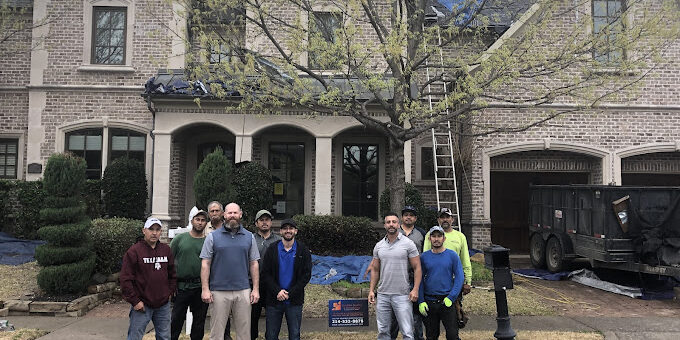
The first time most homeowners in Plano, TX really think about roof replacement is not on a calm, sunny afternoon. It is usually during a stormy night when the wind is howling, rain is tapping against the windows, and a brown stain on the ceiling suddenly looks much bigger than it did last week. Maybe a shingle has blown off, or you find granules piling up in the gutters. In that moment, roof replacement stops being a vague “someday” project and becomes an urgent priority that can affect your family’s comfort, safety, and finances.
Expert roof replacement is not just about tearing off old shingles and nailing on new ones. It involves understanding how your home is built, what your climate demands, how materials perform over time, and which installation practices actually protect your investment. Homeowners in Plano face intense summer heat, sporadic hail, and sudden storms, so cutting corners is not an option. Working with an experienced company like Sunshine Roofing and knowing what to ask, what to look for, and what to avoid can be the difference between a roof that fails in a few years and one that quietly protects your home for decades.
Instead of focusing only on price or color, expert-level decision-making means you evaluate the entire roofing system: decking, underlayment, ventilation, flashing, and even attic conditions. You do not need to become a roofer, but you should be informed enough to ask the right questions and recognize quality work. The following tips are designed to give Plano homeowners practical, real-world guidance on how to navigate a roof replacement project with confidence.
Know When Replacement Is Necessary
One of the most important expert tips is learning to distinguish between a roof that can be repaired and one that truly needs to be replaced. Many homeowners delay replacement because leaks seem minor or appear only during heavy storms. However, a small water spot can be the visible symptom of widespread shingle failure, deteriorated underlayment, or rotting decking. In Plano’s climate, repeated exposure to heat and UV radiation can age shingles faster than homeowners expect, making a full replacement the smarter long-term choice.
Age is a critical factor. If your asphalt shingle roof is approaching 18–25 years old, it is wise to have a thorough inspection even if you do not see major problems. Look for curling or cupping shingles, bald spots where granules are missing, cracked or broken pieces, and shingles that appear wavy or uneven. These are signs the protective surface is breaking down. Sunshine Roofing often finds that roofs in Plano that have endured a decade or more of summer sun and a few hailstorms may show hidden damage that only becomes obvious once the old shingles are removed.
Another sign that replacement may be necessary is repeated or widespread leaking. If leaks are occurring in multiple areas, especially around valleys, skylights, chimneys, or vents, patching those individual spots may not solve the root issue. The underlying underlayment or flashing system could be compromised over a large area. An expert inspection that includes the attic, roof surface, and critical transition points will help determine whether targeted repairs are still a realistic option or whether a full tear-off will ultimately be more cost-effective and protective.
Choose Materials Strategically
Many homeowners start the roofing conversation by asking about colors, but the more expert approach is to begin with performance. In Plano, TX, high temperatures, intense sun, and occasional hailstorms all influence which materials will serve you best. Standard three-tab shingles are often the least expensive, but they may not offer the durability or wind resistance that architectural or impact-resistant shingles provide. When Sunshine Roofing consults with local homeowners, they typically discuss not only aesthetics but also each material’s expected lifespan, warranty details, and resistance to common local threats.
Architectural (dimensional) shingles are a popular upgrade because they offer thicker, multi-layered construction and better wind ratings compared to basic shingles. For homes that have been hit by hail in the past, Class 4 impact-resistant shingles can be a smart choice. While they may cost more upfront, they can reduce the likelihood of hail damage and, in some cases, may even lead to insurance premium discounts. Considering Plano’s weather patterns, investing in higher-grade materials often pays off over time in fewer repairs and longer service life.
Also think about energy efficiency. Reflective or “cool roof” shingles can help reduce heat absorption, making your attic and upper floors more comfortable and potentially easing the load on your air conditioning system. In a hot climate, even a modest reduction in attic temperature can contribute to lower energy bills. An expert roofer can explain which colors and materials balance curb appeal with thermal performance. When you view your roof as part of an overall home system, including insulation and ventilation, material selection becomes a strategic decision rather than just a cosmetic one.
Insist On A Complete Roofing System
Expert roof replacement is never just about the outermost layer. The shingles you see are only one part of a complete roofing system that includes decking, underlayment, flashing, ventilation, and accessories like drip edge and ridge caps. When you receive estimates, make sure they clearly describe each of these components. Sunshine Roofing, for example, will detail whether your existing decking is being inspected and repaired, what type of underlayment is being used, and how critical areas like valleys and penetrations will be waterproofed.
Underlayment is a key element often overlooked by homeowners. Basic felt underlayment is still used in some installations, but synthetic underlayment provides superior tear resistance, moisture protection, and longevity. Ice and water shield or similar peel-and-stick membranes should be installed in vulnerable areas such as valleys, around chimneys, and along lower roof edges where wind-driven rain can cause leaks. These hidden layers often make the difference between a roof that withstands severe weather and one that leaks after the first major storm.
Flashing and ventilation are equally critical. Flashing around chimneys, skylights, and walls must be properly installed and often replaced during a roof replacement, not simply re-used if it is already aged or damaged. Ventilation, including intake vents at the eaves and exhaust vents at the ridge or roof, keeps your attic temperatures and moisture levels under control. Without proper airflow, shingles can overheat and age prematurely, and moisture can accumulate, leading to mold or wood rot. A true expert will evaluate your existing ventilation and recommend improvements as part of the overall project, not as an afterthought.
Evaluate Contractors Like A Pro
Choosing the right contractor is arguably the most important expert tip of all. Even premium materials will fail early if they are installed incorrectly. When evaluating roofers in Plano, look beyond flashy advertisements and focus on verifiable qualifications. Ask for proof of insurance, including both liability and workers’ compensation coverage. Confirm that the company is established in the area, with a physical address and a track record of completed projects. Sunshine Roofing’s long-term presence in the Plano community is one example of the stability you should look for in a roofing partner.
References and reviews matter, but go deeper than star ratings. Ask recent customers about their experience: Did the crew arrive on time? Were they respectful of landscaping and property? How did the company handle unexpected issues, such as rotten decking discovered during tear-off? An expert contractor will communicate clearly, provide written estimates and contracts, and explain each line item so you know exactly what you are paying for. Be cautious of quotes that are significantly lower than others; they may be cutting corners on materials, labor, or proper insurance.
Another professional-level tip is to ask about certifications and training. Many manufacturers offer special training and certification programs for roofers who meet specific standards. These designations can sometimes qualify you for enhanced warranties that cover not just materials but also workmanship. Ask whether the contractor’s crews are in-house employees or subcontractors and how quality control is handled on each job. The more transparent and detailed the answers, the more confident you can be that your roof will be installed to high standards.
Plan The Project And Protect Your Home
A roof replacement is a major construction project happening right over your living space, and planning ahead can make the experience smoother and less stressful. Start by discussing timing with your contractor. In Plano, spring and fall often offer milder weather, but storms can occur at any time of year. An experienced roofer like Sunshine Roofing will monitor forecasts and schedule work to minimize the risk of rain during tear-off. Still, contingency plans should be in place, including tarps and temporary protection if weather changes unexpectedly.
Before the crew arrives, prepare both the exterior and interior of your home. Move vehicles away from the house so they are not in the path of falling debris. Cover delicate plants, remove patio furniture near the work area, and secure outdoor décor. Inside, consider taking down pictures or mirrors on walls and ceilings directly beneath the roof, as vibrations from hammering can sometimes cause them to shift. Clear access to the attic if your contractor needs to inspect or work from that space during the project.
During the job, communication is essential. Ask who your main point of contact will be on-site each day and how progress updates will be provided. An expert contractor will walk you through what to expect: noise levels, daily cleanup procedures, and how long each phase should take. At the end of the project, insist on a final walk-through. Check that all agreed-upon work is completed, flashing is neatly installed, vents are in place, and your property has been cleaned of nails and debris. This final review is your opportunity to address any concerns before the crew leaves.
Understand Warranties, Documentation, And Long-Term Care
Once your new roof is installed, the job is not truly complete until you have your warranties and documentation in hand and you understand how to care for the system. Roofing warranties typically come in two parts: the manufacturer’s warranty for materials and the contractor’s warranty for workmanship. Ask Sunshine Roofing to explain, in plain language, what is covered, what is excluded, and for how long. Some enhanced manufacturer warranties require registration within a certain time frame or specific installation practices, so make sure those steps are completed.
Keep copies of your contract, invoices, warranty documents, and any inspection reports in a safe place. This paperwork may be important if you ever sell your home or file an insurance claim. It also provides a reference if you need future repairs or maintenance. Consider scheduling periodic inspections, especially after major storms or hail events. Catching minor issues early, such as a lifted shingle or small flashing problem, can prevent larger leaks and more expensive damage later.
Long-term care also includes simple homeowner practices. Keep gutters clean and free of debris so water can flow off the roof properly. Trim overhanging tree branches that can scrape shingles or drop heavy limbs during storms. From the ground, visually check your roof a few times a year for any obvious changes, such as missing shingles, sagging areas, or discoloration. If you ever need other home improvements, like kitchen or Bathroom renovations, coordinating projects can sometimes help manage budgets and minimize disruption, but never delay necessary roof work in favor of more cosmetic upgrades.
Frequently Asked Questions
How long does a roof replacement usually take in Plano, TX? For an average single-family home in Plano, most roof replacements are completed in one to three days, depending on the size, complexity, and weather conditions. Simple gable roofs with good access can often be finished in a single day, while larger homes, steep roofs, or those with multiple valleys, skylights, or chimneys may require additional time. Sunshine Roofing will typically provide an estimated timeline during your consultation and adjust as needed if unexpected repairs, like replacing rotten decking, are discovered during tear-off.
Can I stay in my home while the roof is being replaced? Yes, most homeowners remain in their homes throughout the roof replacement process. However, you should be prepared for significant noise from hammering, walking on the roof, and debris removal. If you work from home, have small children, or have pets that are sensitive to noise, you may want to plan activities away from the house during the loudest phases of work. It is also wise to communicate with your roofer about daily start and end times so you can plan your schedule accordingly.
How do I know if my roof was installed correctly? Signs of a proper installation include straight, even shingle lines; properly installed flashing around chimneys, vents, and walls; securely fastened vents and accessories; and clean, sealed edges along eaves and rakes. After the job, your attic should show no signs of daylight where it should not, and there should be consistent ventilation components as specified in your contract. An expert contractor like Sunshine Roofing will walk you through the completed project, explain what was done, and answer questions. Over the first few heavy rains, you should not see new leaks or water stains; if you do, contact your roofer immediately.
Will my homeowner’s insurance cover roof replacement? Insurance may cover roof replacement if the damage is caused by a covered event, such as hail, wind, or falling objects. Normal wear and tear or age-related deterioration is generally not covered. If you suspect storm damage, contact your insurance company promptly and consider having a reputable roofing contractor inspect your roof before or during the claims process. They can help document damage, explain what they see in terms insurance adjusters understand, and ensure that legitimate issues are not overlooked. Always review your policy details so you know your deductible and any specific exclusions.
What should I budget for a quality roof replacement? The cost of a roof replacement in Plano varies based on roof size, pitch, material selection, and the condition of the existing decking and structure. While it can be tempting to choose the lowest bid, expert advice is to focus on value rather than just price. A quality installation using durable, appropriate materials and proper underlayment and flashing will almost always cost more than a bare-minimum job, but it will also provide better protection and longer service life. Sunshine Roofing can provide a detailed, itemized estimate so you understand exactly where your money is going and how different material choices affect your total investment.