
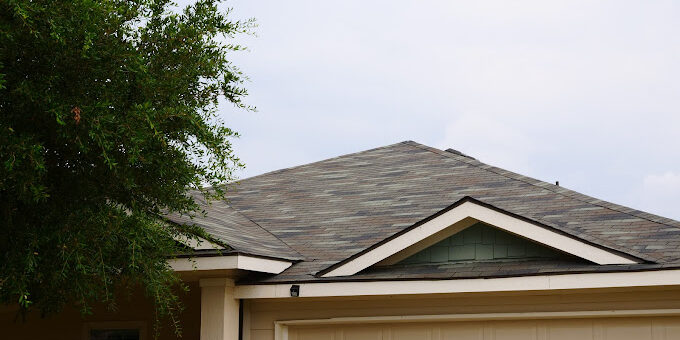
Why Regular Roof Inspections Are Crucial
On a clear afternoon in Plano, a homeowner noticed a faint brown ring on their living room ceiling. It didn’t seem urgent, so they ignored it. Six months later, that “small” stain turned into widespread water damage, mold behind the walls, and a full roof replacement that could have been avoided with a simple inspection.
Stories like this are common across North Texas. Our intense sun, sudden hailstorms, and high winds create the perfect combination for hidden roof damage. According to FEMA, even minor roof leaks can cause significant structural damage in as little as 24–48 hours if water finds its way into insulation and framing. Yet many homeowners and business owners only think about their roof when it’s already leaking.
Regular, professional roof inspections help you catch problems early, extend the life of your roof, and avoid costly emergency repairs. In this guide, you’ll learn why inspections matter so much in Plano’s climate, what a thorough roof assessment looks like, how often you should schedule one, and how to know when it’s time to move from repair to replacement.
Key Insight: Consistent, professional roof inspections are one of the most cost-effective ways to protect your property, control long-term repair costs, and avoid disruptive surprises—especially in a storm-prone area like Plano.
The Hidden Cost of Skipping Roof Inspections
Most roofs don’t fail overnight. They fail slowly—one loose shingle, one cracked flashing, one clogged gutter at a time. Without regular inspections, those small issues stay out of sight until they become big, expensive problems.
In Plano, where hail and high winds are common, we often see:
- Granule loss on asphalt shingles that looks harmless but exposes the mat underneath
- Lifted shingles that only move in high wind, letting in wind-driven rain
- Tiny punctures from hail that don’t leak immediately but weaken the roof system
A local example: A Plano family called after a spring storm when they finally noticed water dripping from a recessed light. During the professional roof inspection, we found hail damage from a storm almost a year earlier. The shingles had slowly deteriorated, allowing water to travel along rafters before showing up in the ceiling. By then, the repair involved insulation replacement and drywall work—not just Leaky Roof Repair.
“Small roof issues rarely stay small. They either get fixed early or grow into structural problems.” — Senior Roofing Inspector, Sunshine Roofing
Why this matters financially
Roofing problems compound over time:
- A $250–$500 minor Roof Repair can turn into a $5,000–$10,000 interior restoration project
- Ignored storm damage can shorten a roof’s life by 5–10 years, forcing earlier Residential Roof Replacement
- Undetected leaks can lead to mold, which may require professional Water Damage Restoration
Regular inspections act like an early warning system. They allow you to plan, budget, and address issues before they turn into emergencies.
What a Professional Roof Inspection Really Covers
A true roof inspection is more than a quick glance from the driveway. Certified roof inspectors follow a systematic process that evaluates the entire roofing system—from shingles to structure.
In Plano, a thorough inspection from experienced Roofing Experts typically includes:
Exterior roof surface
- Shingle condition (cracks, curling, granule loss, missing pieces)
- Signs of hail impact or wind uplift
- Flashing around chimneys, skylights, and walls
- Condition of roof vents and penetrations
- Sealants and caulking
Structural and drainage components
- Sagging or uneven roof planes
- Gutter and downspout condition and alignment
- Evidence of ponding water on low-slope or flat roofs
- Soffit and fascia condition
Interior and attic inspection
- Signs of active or past leaks (stains, streaks, mold)
- Insulation condition and moisture levels
- Ventilation effectiveness (intake and exhaust balance)
- Roof decking condition and fastener issues
A recent commercial client in Plano—an office building near the Legacy West area—requested a routine inspection after noticing higher energy bills. Our certified inspectors found inadequate ventilation and compromised roof coating on their low-slope system. Addressing those issues improved energy efficiency and extended the life of their existing roof, avoiding an early Commercial Roof Replacement.
“An effective roof inspection doesn’t just look for leaks—it evaluates the health, efficiency, and safety of the entire roofing system.” — Project Manager, Sunshine Roofing
How Often Should You Schedule Roof Inspections in Plano?
The right inspection schedule depends on your roof type, age, and exposure. In North Texas, the weather adds another layer of urgency. Between hail season, summer heat, and the occasional ice storm, your roof takes a beating.
General guidelines
For most homes and small businesses in Plano:
- Every year for roofs older than 10 years
- Every 2 years for newer roofs in good condition
- After any major storm with hail, high winds, or flying debris
- Before listing a property for sale or purchase
For commercial properties with flat or low-slope systems (such as TPO or EPDM), twice-yearly inspections are often recommended—typically spring and fall—to prepare for extreme weather and identify drainage issues.
Why Plano’s climate changes the equation
Our region sees:
- Frequent hailstorms that can bruise or crack shingles
- UV exposure that accelerates aging of asphalt shingles and coatings
- Sudden temperature swings that stress roofing materials
- High winds that can loosen flashing and shingles
A Plano restaurant owner near Preston Road learned this the hard way. They hadn’t scheduled a roof check in years. After a windstorm, they noticed a minor leak over the kitchen. The inspection revealed lifted flashing and multiple punctures on their flat roof. Because the damage had been developing over several seasons, the repair required partial replacement and interior Water Damage Cleanup.
Typical inspection frequency comparison
| Roof Type / Situation | Recommended Frequency in Plano, TX |
|---|---|
| New asphalt shingle roof (< 10 years) | Every 2 years + after major storms |
| Older shingle roof (10–20 years) | Every year + after major storms |
| Flat or low-slope commercial roof | Twice yearly (spring & fall) |
| After hail or wind event | Within 1–2 weeks of the storm |
| Before buying or selling a property | Once, prior to closing |
Regular inspections fit naturally into a broader roof maintenance routine—just like oil changes for your car. They’re not an emergency service; they’re your best tool for avoiding emergencies.
Repair or Replace? Using Inspections to Make Smart Decisions
One of the biggest questions property owners face is whether to repair or replace their roof. A professional roof inspection provides the data you need to make that decision confidently.
How inspections guide repair decisions
During an inspection, a licensed roofing contractor evaluates:
- The extent and location of damage
- The age and overall condition of the roof
- Whether the damage is localized or widespread
- Underlayment and decking condition
- Previous repair quality
A Plano homeowner in an older neighborhood near downtown had recurring ceiling stains in the same area. They assumed they needed a full roof replacement. Our detailed inspection showed the majority of the roof was in fair condition, but one valley had improperly installed flashing and deteriorated underlayment. Targeted Shingle Roof Repair and new flashing solved the issue at a fraction of the cost of replacement.
When replacement is the better investment
On the other hand, there are times when continuing to repair is more expensive in the long run. Inspection findings that often point to Roof Replacement include:
- Multiple active leaks in different areas
- Extensive shingle granule loss exposing the mat
- Widespread hail bruising or cracking
- Significant decking rot or structural issues
- Roof at or near the end of its expected lifespan
Here’s a simple comparison:
| Scenario | Recommended Path | Why |
|---|---|---|
| Localized leak, roof under 10 years | Focused repair | Most of the system still sound |
| Repeated leaks, mixed-age repairs | Consider partial replacement | Patchwork leads to frequent issues |
| Major hail event, widespread damage | Full replacement | Insurance often supports full system fix |
| 20+ year-old roof, visible wear | Plan for replacement | Repairs become less effective over time |
Roof Inspections, Water Damage, and Your Home’s Interior
Roof problems rarely stay on the roof. Once water gets past your shingles, it can travel in unpredictable ways—often appearing far from the source of the leak. That’s why regular inspections go hand-in-hand with protecting your home’s interior and structural integrity.
How roof leaks turn into major restoration projects
Even a small, slow leak can lead to:
- Wet insulation that loses its effectiveness and grows mold
- Damaged drywall and peeling paint
- Warped wood framing and subfloors
- Electrical hazards around light fixtures and wiring
- Musty odors and indoor air quality issues
A Plano family in a subdivision near Coit Road noticed a faint musty smell in one bedroom. The ceiling looked fine. During a routine roof inspection, we found a compromised vent boot that had been allowing small amounts of water into the attic for months. By the time we checked the attic, insulation was saturated and mold had begun to grow on nearby framing. In addition to roof repair, they needed professional Water Damage Restoration Services and structural drying.
“By the time you see a water stain on your ceiling, the leak has often been active for weeks or months.” — Water Damage Specialist, Sunshine Roofing
The role of inspections in preventing interior damage
Regular inspections help you:
- Catch small openings around vents, pipes, and chimneys early
- Identify clogged gutters that can back water under shingles
- Spot failing sealants before they let water in
- Verify that previous repairs are holding up
For homeowners planning larger projects—like Home Renovation Services or interior remodeling—it’s especially important to confirm your roof is sound first. There’s nothing worse than investing in a new kitchen or bathroom only to have a hidden roof leak damage your fresh drywall and finishes months later.
Inspections as Part of a Long-Term Roof Maintenance Plan
A roof is one of the largest investments you’ll make in your property. Treating it as a system that needs regular care—not a “set it and forget it” component—can add years to its lifespan and improve your return on investment.
What a proactive roof maintenance plan includes
A smart maintenance program for Plano properties typically covers:
- Scheduled professional roof inspections (annual or semiannual)
- Minor repairs and sealing as needed
- Gutter cleaning and drainage checks
- Ventilation and attic checks
- Occasional Roof Tune Up services to tighten, seal, and adjust components
For commercial buildings with flat roofs, maintenance might also involve:
- Checking seams and edges on TPO or EPDM systems
- Inspecting and cleaning roof drains and scuppers
- Evaluating and renewing Roof Coating Services
- Monitoring high-traffic areas around HVAC units and equipment
One Plano business park we work with has a structured plan: semiannual inspections, documented reports, and scheduled minor repairs. Over ten years, they’ve avoided any catastrophic failures and extended the life of their original roof well beyond typical expectations—saving significantly compared to reactive, emergency-based maintenance.
“Planned maintenance costs a little each year. Unplanned failures cost a lot all at once.” — Commercial Roofing Consultant
Traditional vs. proactive approach
| Approach | Characteristics | Typical Outcome |
|---|---|---|
| Reactive (fix when leaks appear) | No regular inspections, emergency calls only | Higher long-term costs, more disruptions |
| Proactive (planned inspections & care) | Scheduled checks, early repairs, documentation | Longer roof life, predictable budgeting |
What This Means for Businesses in Plano, TX
For Plano property owners—whether you manage a retail space at The Shops at Legacy, own a professional office, or operate a restaurant—your roof directly impacts your ability to stay open and serve customers.
Unplanned roof failures can mean:
- Business interruptions and lost revenue
- Emergency roof repair at premium rates
- Safety hazards for staff and customers
- Damage to inventory, equipment, and interiors
Regular roof inspections help you:
- Budget for future Roof Replacement Cost instead of being surprised
- Provide documentation for insurance claims after storms
- Maintain a professional appearance and safe environment
- Protect your investment in interior build-outs and renovations
For residential homeowners across Plano—whether near Legacy West, in established neighborhoods off Parker Road, or in newer developments—inspections are just as critical. They support:
- Long-term protection of your largest asset
- Peace of mind during hail season
- Better positioning when selling your home (inspection reports reassure buyers)
- Smarter coordination with any Home Improvement Services
In a fast-growing, high-value market like Plano, maintaining your roof isn’t just about preventing leaks. It’s about preserving property value, managing risk, and ensuring your home or business is ready for whatever North Texas weather brings.
Frequently Asked Questions
Q: How do I know if I really need a roof inspection if I don’t see any leaks?
A: Visible leaks are actually a late-stage symptom of roof problems. In Plano, hail, wind, and UV exposure often cause damage that isn’t obvious from the ground—like bruised shingles, lifted flashing, or small punctures on flat roofs. A professional Roof Assessment can uncover these issues before they lead to interior damage. If your roof is over 10 years old, you’ve experienced a recent storm, or you’re planning to sell your home or commercial building, a professional roof inspection is a smart, preventative step—even if everything “looks fine” right now.
Q: How much does a professional roof inspection cost in the Plano area?
A: Many reputable local roofing companies, including Sunshine Roofing, offer a Free Roof Inspection for homeowners and small commercial properties. The value is in the expertise: certified roof inspectors know how to spot subtle signs of damage and can advise you on whether you need simple maintenance, repair, or a longer-term replacement plan. For more complex commercial facilities, there may be a fee for detailed reports or infrared scans, but those costs are typically small compared to the potential savings from catching issues early.
Q: What’s the difference between a quick “drive-by” estimate and a full roof inspection?
A: A quick estimate often involves a visual check from the ground or a short ladder inspection focused solely on pricing a repair or replacement. A professional roof inspection is more comprehensive. It includes walking the roof, checking flashing, vents, and penetrations, and often examining the attic or interior for signs of leaks. A true inspection from a licensed roofing contractor should result in a written report with photos and recommendations. If a contractor offers a price without thoroughly inspecting your roof, they may be missing hidden problems that could affect the scope and cost of the work.
Q: How do roof inspections help with insurance claims after hail or wind storms?
A: After a major storm in Plano, insurance adjusters are flooded with claims. Having a detailed inspection report from trusted roofing contractors can make the process smoother. Certified roof inspectors document damage with photos, measurements, and professional notes that you can share with your insurer. This can help validate your claim for storm damage roof repair or Residential Roof Replacement when warranted. Inspections also help distinguish between normal wear and sudden storm damage—an important distinction for coverage decisions.
Q: My roof is older but not leaking. Should I wait until there’s a problem before replacing it?
A: Waiting until a roof leaks can lead to higher overall costs. An older roof may be near the end of its useful life, even without obvious issues. Regular inspections allow you to monitor its condition and plan for replacement on your terms, rather than during an emergency. A professional can help you weigh the cost of ongoing repairs versus the investment in a new roof. In some cases, proactively scheduling Roof Replacement before significant leaks occur can actually save money by avoiding interior damage and repeated repair visits.
Q: How do roof inspections tie into other home renovation or remodeling projects?
A: If you’re planning major interior work—like kitchen remodeling, bathroom renovations, or other Home Renovation Services—it’s wise to confirm your roof is sound first. A hidden leak can damage new drywall, paint, cabinets, or flooring, leading to costly rework. A roof inspection before you start gives you confidence that your investment inside is protected from above. If issues are found, you can coordinate roof repairs or replacement so they don’t interfere with your remodeling schedule.
Q: What should I expect during an inspection from Sunshine Roofing?
A: A typical inspection starts with a conversation about your concerns and the roof’s history. Then our team performs a thorough exterior and, when accessible, attic inspection. We look at shingles, flashing, vents, gutters, and structural elements, documenting everything with photos. Afterward, we review our findings with you, explain any issues in plain language, and discuss options—from simple maintenance and Roof Repair to planning for future Roof Replacement. There’s no obligation; our goal is to give you clear information so you can make informed decisions about your Plano property.
Ready to Get Started?
North Texas weather won’t wait, and roof problems rarely fix themselves. The best time to schedule a professional roof inspection is before the next big storm—or before that faint ceiling stain turns into a major restoration project.
By acting now, you can:
- Catch small issues before they become expensive emergencies
- Protect your home or business from hidden water damage
- Plan ahead for future repairs or replacement instead of being surprised
- Have documentation ready if a storm-related insurance claim becomes necessary
Sunshine Roofing is locally based in Plano, TX, and our team understands the unique challenges your roof faces here. Whether you’re concerned about recent hail, managing a commercial property, or simply haven’t had your roof checked in a while, we’re here to help with honest assessments and practical solutions.
Schedule your inspection today and take a proactive step toward protecting your property, your budget, and your peace of mind.
About Sunshine Roofing
Sunshine Roofing is a locally owned roofing and remodeling company serving Plano, TX, and surrounding communities. With years of experience in residential and commercial roofing, our team combines certified roof inspectors, skilled installers, and dedicated project managers to deliver reliable, quality workmanship. From routine inspections and roof repair to full replacements and coordinated home renovations, we focus on clear communication, honest recommendations, and long-term protection for your property. Learn more about our services at https://sunshineroofingtx.com/.
