

Emergency Roof Repair Near Me for Storm Damage
If your roof started leaking after a hail or wind event in Plano, TX, the fastest way to reduce damage is to act in the right order. This guide helps you identify the most likely failure points, protect your home, and understand what a professional roof assessment should cover.
After a storm rolls through, it can be hard to tell whether you have a small problem or something that will keep getting worse. Maybe you noticed a wet spot on the ceiling, a damp smell in the attic, or water dripping during the next rain.
In Plano, TX, roofs often take a hit from hail and strong winds, and the damage is not always obvious from the ground. This guide will help you understand what to check first, what to document, and when roof repair versus roof replacement is commonly considered.
- Quick answer
- What to check first
- Main things customers should understand
- Why this matters in Plano, TX
- Common mistakes to avoid
- Customer checklist
- Frequently asked questions

Quick Answer
If your roof may be failing after storm damage, focus on safety and moisture control first, then get a professional roof assessment. Start by locating the source of the leak (often around penetrations like vents, flashing, or damaged shingles) and stop active water intrusion as best you can. Avoid covering suspected damage with random tarps without securing them correctly, because poor temporary fixes can worsen the problem. For a clear next step, contact a local roofing contractor in Plano, TX like Sunshine Roofing for roof inspection services and a practical repair plan.
What to Check First
Before you do anything else, check for safety risks. If you see sagging areas, exposed wiring, or large debris on the roof, keep people away and wait for a professional inspection. For most homeowners, the first useful step is to trace the water path inside the home so you can communicate it clearly.
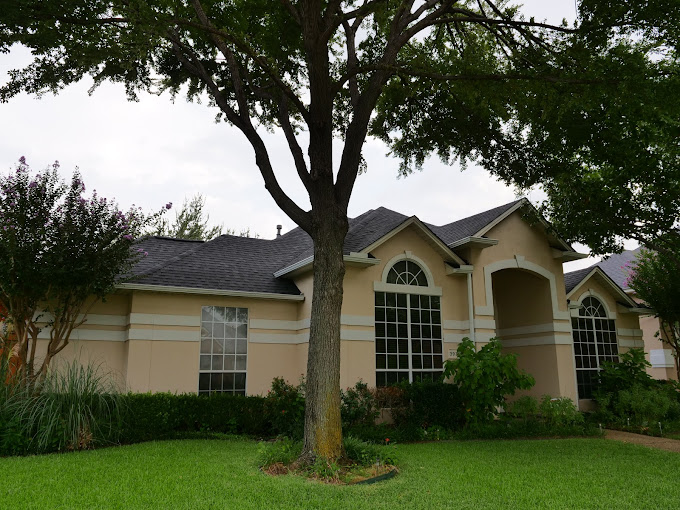
Professional observation: Storm leaks often show up hours or days after the wind or hail event. The newest wet area inside the home can point toward the failure point, but it is not always directly below it.
Once you can safely observe, look for these common storm-related signs:
- Water stains or dripping on ceilings, near walls, or around attic access points.
- Damaged shingles such as missing granules, lifted edges, cracked tabs, or visible impact marks.
- Loose or missing flashing around roof vents, chimneys, skylights, and roof-wall transitions.
- Debris in gutters and clogged downspouts that can cause overflow during the next rain.
- Attic moisture that may show up on rafters, insulation, or decking after a leak.
Main Things Customers Should Understand
When a roofing contractor evaluates emergency roof repair for storm damage, they are typically trying to answer two questions: where is the water entering, and what parts of the roof system are still performing correctly. A practical assessment looks at more than just the visible surface, because underlayment, flashing, and ventilation details can be affected even when shingles look mostly intact.
Leak source is often a detail
Repairs commonly focus on flashing repair, roof vent installation issues, or shingle roof repair where wind has lifted edges.
Water damage may be hidden
Moisture can travel along framing and under materials, so a roof leak detection approach helps prevent repeat leaks.
Storm damage can change the scope
Hail damage roof repair may stay localized, while widespread impacts may lead to roof replacement decisions.
Decision table: repair or replacement?
| What the assessment finds | More likely next step | Why it matters |
|---|---|---|
| Localized shingle damage with intact flashing and underlayment | Roof repair | Targeting the specific failure point can restore water-shedding performance without unnecessary disruption. |
| Multiple areas of hail or wind damage across roof planes | Roof replacement | When damage is widespread, replacing affected materials may reduce the chance of future leaks. |
| Compromised flashing around penetrations | Flashing repair and related roof work | Flashing is a common entry point, especially around vents and roof-wall intersections. |
| Active leak plus evidence of ongoing moisture in attic materials | Roof repair plus water damage restoration coordination | Stopping the roof leak is step one, but addressing moisture helps protect the indoor environment. |
Why This Matters in Plano, TX
Plano, TX storms can bring a mix of hail and high winds, and that combination is tough on asphalt shingle roofing. Even when the roof does not look dramatically different right after the weather, wind can lift edges and expose seams, and hail can impact the surface enough to reduce the roof’s water-shedding ability.
If you are trying to decide whether the damage needs immediate attention, focus on what you can observe and measure: active leaks, visible damage to shingles, and any signs of moisture inside. Those are the details that help a local roofer prioritize emergency roof repair actions and plan the next steps for professional roof inspection services.
Local homeowner tip: If you see water staining after a storm in Plano, TX, plan for a full roof assessment rather than only patching one spot. The original entry point can be offset from the interior stain.
Need an emergency roof repair plan in Plano?
Sunshine Roofing can help you move from “we think it’s leaking” to a clear repair scope with roof inspection services and practical next steps.
Call Sunshine RoofingCommon Mistakes to Avoid
In the rush after storm damage, homeowners often take steps that feel helpful but can make the underlying problem worse. The goal is to reduce damage without creating new failure points or trapping moisture where it cannot dry.
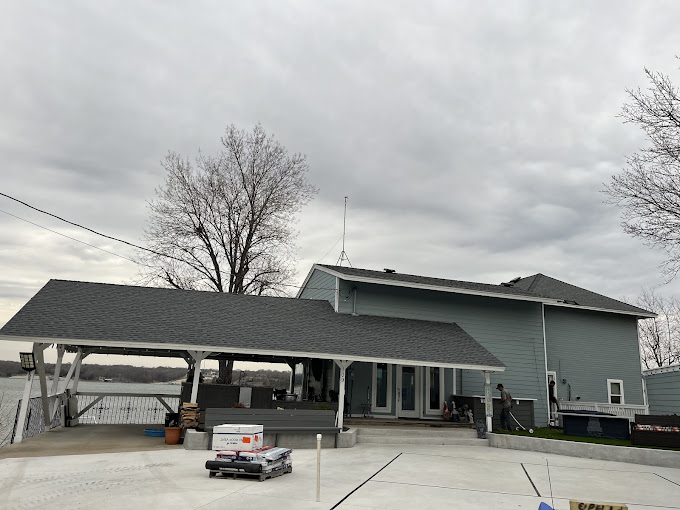
- Waiting too long to address active leaks, which can allow moisture to spread into insulation and building materials.
- Using temporary tarps incorrectly or leaving them unsecured, which can create additional wind damage.
- Only checking the interior and skipping an exterior roof assessment, since the leak entry point may be elsewhere.
- Ignoring flashing and penetrations like vents and skylights, even if shingle damage appears minor.
- Assuming gutter overflow is the roof problem when the roof system may still be compromised.
Customer Checklist
Use this quick checklist to prepare for a roof inspection and emergency roof repair decision. Having these details ready helps your roofing contractor focus on the right areas during the roof assessment.
- Note the storm date and when you first noticed signs of leaking or interior moisture.
- Mark the location of interior leaks (ceiling, wall, attic access) and any visible water trails.
- Document exterior damage safely from the ground when possible, including missing or lifted shingles.
- Check attic moisture indicators such as damp insulation, dark spots, or water on roof decking.
- Inspect roof penetrations visually for gaps or damaged flashing around vents and other openings.
- Protect valuables and belongings where water is collecting, and keep airflow moving if you can do so safely.
Representative scenario (what it often looks like)
After a hail and wind event, a homeowner in Plano notices a small ceiling stain near an interior wall. The next rain brings light dripping, and the attic shows damp insulation near a roof vent area. Instead of focusing only on the visible stain, a professional roof inspection identifies lifted shingle edges and a flashing issue around the vent. The repair scope addresses the entry point, and the moisture cleanup plan is coordinated as needed to help prevent further problems.
Frequently Asked Questions
How do I know if I need emergency roof repair or just a minor patch?
If you have active dripping, spreading interior water stains, or attic moisture after storm damage, treat it as urgent and get a roof assessment. Minor patches are usually appropriate when the damage is clearly localized and the surrounding roof system, including flashing and underlayment, appears intact. A professional inspection helps confirm whether the leak is coming from shingles, flashing repair points, or other roof penetrations, which is why “small stain” does not always mean “small problem.”
What should I tell the roofer during a roof inspection?
Share the storm date, when you first noticed the leak, and where the moisture shows up inside. If you can, describe whether the leak seems to worsen during rain or only after certain conditions. Mention any safe observations of shingle roof damage you see from the ground, and note any signs of clogged gutters or overflow. This information helps roof inspection services focus on the most likely entry points, including roof vent installation areas and flashing repair details.
Can hail damage be repaired, or does it always require roof replacement?
Hail damage roof repair can sometimes be localized, especially when the impacts are limited and the underlying layers are still performing. However, if hail damage is widespread across multiple roof sections, the assessment may point toward roof replacement decisions to address the broader roof system. The key is a professional roof assessment that considers how extensive the impacts are and whether water-shedding performance can be restored reliably with repair.
What if the leak seems to come from one spot but the damage is elsewhere?
That happens more often than people expect. Water can travel along framing, under materials, or behind surfaces before it shows up as a stain or drip. That is why roof leak detection and a full inspection matter. The newest wet area inside may help narrow the search, but it does not always identify the original entry point. A careful assessment checks likely failure areas such as flashing around penetrations and lifted shingle edges.
Should I also address water damage inside my home?
Yes, but in the right order. Stopping the roof leak is the priority, because ongoing moisture can undo interior repairs. After the roof assessment and repair plan are underway, water damage restoration steps may be needed depending on what is affected in the attic or interior spaces. If you are seeing damp insulation or recurring moisture, ask about coordination with water damage restoration services so the home can dry properly and reduce the chance of lingering problems.
Get help from local roofing experts in Plano, TX
If your roof is showing storm damage signs, Sunshine Roofing can help you take the next step with professional roof inspection services and practical repair planning for roofing solutions that fit your situation.
Request roof repair help
About Sunshine Roofing
Sunshine Roofing is a Plano, TX roofing contractor serving Plano and surrounding areas. Our focus is helping homeowners and property owners respond to roof damage with clear roof assessment steps, reliable roofing services, and repair or replacement guidance based on what the roof inspection shows. If your home needs help after storm damage or a roof leak, you can reach Sunshine Roofing through roof replacement services or roof repair services. For related interior impacts, you can also explore water damage restoration.